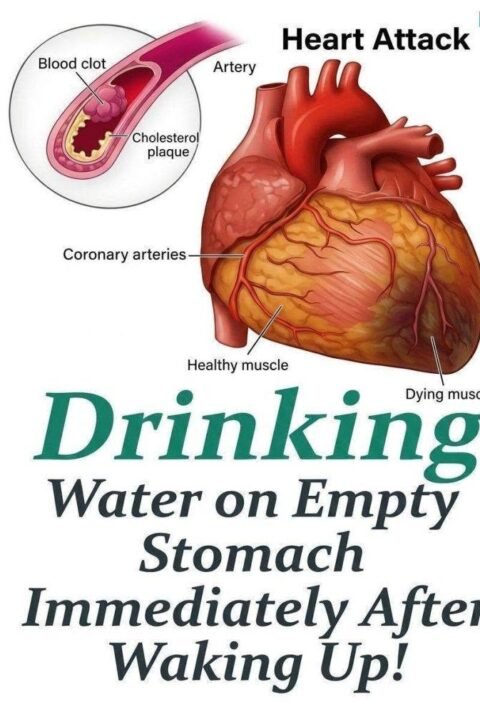
This headline is a classic example of clickbait health marketing designed to sell a specific supplement, book, or product by playing on common anxieties about aging.
While taking care of your cardiovascular system is one of the most important things you can do for longevity, there is no single “secret ingredient” that can magically rollback your vascular age from 91 to 40 overnight.
The Reality of Vascular Aging
Blood circulation is determined by the health, elasticity, and openness of your entire network of arteries, veins, and capillaries. While chronological age doesn’t always match biological age, maintaining healthy blood vessels into your 90s is the result of a lifelong combination of genetics and lifestyle habits, not a single food or supplement.
What Actually Supports Healthy Circulation
Cardiologists and vascular specialists emphasize that improving and maintaining good blood flow relies on consistent, everyday habits rather than quick fixes:
-
Regular Cardiovascular Exercise: Aerobic activities (like brisk walking, swimming, or cycling) force your heart to pump efficiently and stimulate the production of nitric oxide, a molecule that helps blood vessels relax and widen.
-
A Heart-Healthy Diet: Eating plenty of leafy greens (rich in nitrates), berries, nuts, fatty fish, and whole grains supports endothelial function (the inner lining of your blood vessels).
-
Blood Pressure and Cholesterol Management: Keeping your blood pressure and lipid levels within a healthy range prevents plaque buildup (atherosclerosis) that stiffens and narrows arteries.
-
Not Smoking: Tobacco use is one of the primary drivers of arterial damage and poor circulation.
-
Staying Hydrated: Proper fluid intake maintains optimal blood volume and viscosity, making it easier for your heart to circulate blood.
Be cautious of online remedies that promise dramatic, systemic age-reversal or claim to cure circulation issues with a single kitchen ingredient. If you have specific concerns about your circulation—such as cold extremities, cramping, or swelling—the safest and most effective step is to consult a physician for a proper evaluation.