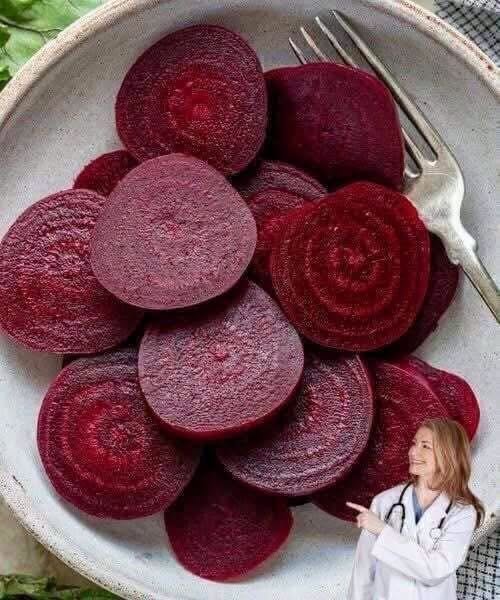
While beetroot is widely celebrated for its rich antioxidant content, dietary nitrates, and ability to support athletic performance and lower blood pressure, medical and nutritional experts point out that eating it regularly or in large amounts can lead to several specific physiological side effects.
When doctors and clinical studies highlight what regular or heavy beet consumption can cause, they typically point to the following effects:
1. Beeturia (Red or Pink Urine and Stools)
-
What happens: Between 10% and 14% of the population experiences beeturia, where their urine or stool turns a distinct pink or red color after eating beets.
-
Why it happens: This harmless phenomenon occurs when the red pigment (betalain) is not properly broken down during digestion, often influenced by stomach acidity or iron status. While alarming to see, it is entirely benign, though it can sometimes mimic the appearance of blood in the urine or stool.
2. Kidney Stones (Due to High Oxalate Content)
-
What happens: Beets are exceptionally rich in compounds called oxalates. For individuals with a history of calcium oxalate kidney stones, regular and heavy consumption of beets or beet juice can increase the risk of stone formation.
-
Why it happens: Oxalates bind to calcium in the digestive tract and urinary system, forming hard mineral deposits if urine becomes too concentrated or if dietary balance is off.
3. Lowered Blood Pressure (Hypotension Risk)
-
What happens: Beets are packed with natural dietary nitrates, which your body converts into nitric oxide—a compound that widens blood vessels and successfully lowers blood pressure.
-
Why it happens: While this is a major cardiovascular benefit for those with hypertension, individuals who already suffer from low blood pressure (hypotension) or take blood pressure-lowering medications may experience excessive dizziness, lightheadedness, or fatigue from regular, heavy beet intake.
4. Gastrointestinal Upset (Stomach Cramps or Loose Stools)
-
What happens: Eating large quantities of beets or drinking concentrated beet juice all at once can trigger bloating, gas, stomach cramps, or diarrhea in people with sensitive digestive systems or conditions like Irritable Bowel Syndrome (IBS).
-
Why it happens: Beets contain fermentable carbohydrates (FODMAPs) and high levels of fiber, which can be difficult for some guts to process rapidly, leading to fermentation and gas production.
The Bottom Line
In normal culinary portions (such as a few slices in a salad a couple of times a week), beetroot is exceptionally healthy and safe for most people. However, if consumed daily by the pound or juiced in large quantities, its potent bioactive compounds shift from nourishing food to something that requires caution—especially for those with kidney stone histories or low blood pressure.