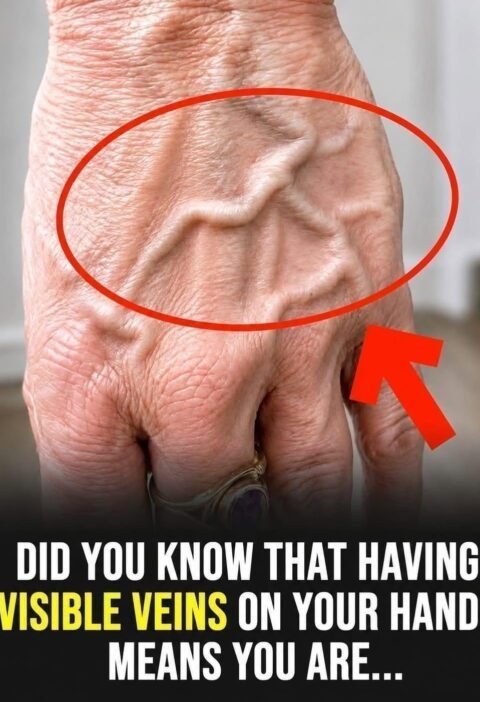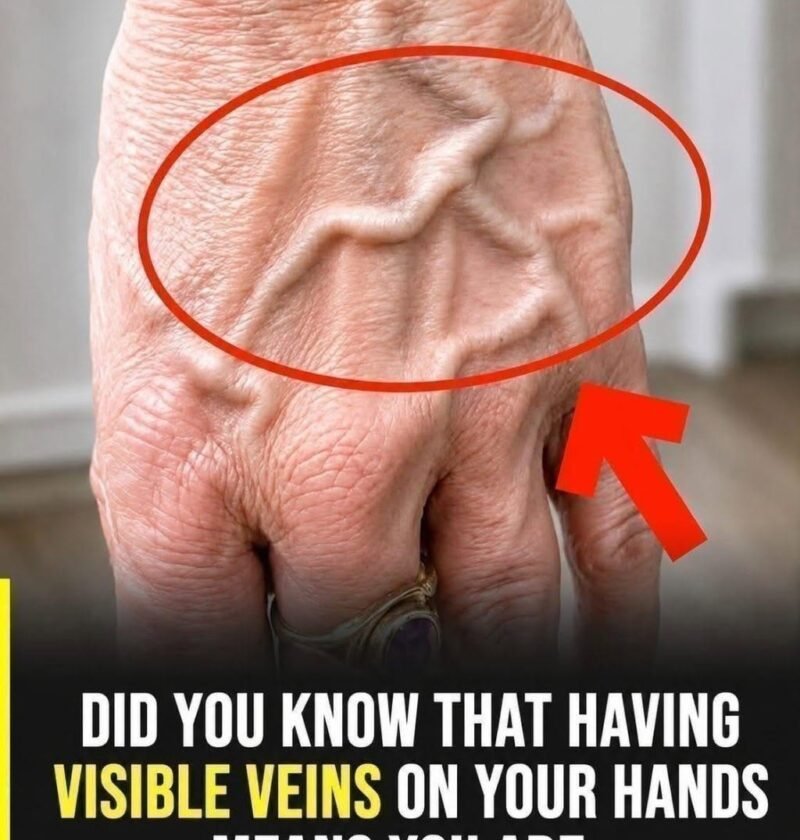
Noticing your veins more prominently can be unsettling, but in the vast majority of cases, visible veins are entirely normal and harmless. Whether they appear as delicate spider webs on the face or thighs, or thicker, bulging lines on the hands and legs, vein visibility is usually just a reflection of your anatomy, lifestyle, or natural aging.
1. Completely Normal and Benign Causes
You don’t need a medical degree to experience shifts in how visible your veins are. Common, everyday factors include:
-
Low Body Fat and Athleticism: Veins are the plumbing of your body. If you have a lower body mass index (BMI) or have built lean muscle through regular exercise, you naturally have less subcutaneous fat padding hiding your blood vessels, making them stand out.
-
Exercise and Heat: When you work out, your blood pressure rises and blood flow increases, pushing veins closer to the skin’s surface. Similarly, hot weather causes your blood vessels to dilate (expand) to help cool your body down, making them more prominent.
-
Genetics and Fair Skin: If your parents have prominent veins, you likely will too. Furthermore, people with fair complexions naturally show the blue or green hue of underlying blood vessels much more easily than those with darker skin tones.
-
Natural Aging: As you get older, your skin thins and loses collagen, and you naturally lose some of the supportive fatty tissue beneath the skin. This allows veins to become much more noticeable, especially on the hands and legs.
-
Pregnancy: Increased blood volume and hormonal shifts naturally cause blood vessels to expand and show more during pregnancy, though these usually subside postpartum.
2. When Visible Veins Point to Underlying Issues
Sometimes, prominent veins are a sign of Chronic Venous Insufficiency (CVI) or structural changes in the vascular system:
-
Varicose Veins: These are enlarged, twisted, and bulging veins that usually appear in the legs. They happen when the tiny, one-way valves inside your veins weaken. Instead of smoothly pumping blood back up to your heart, gravity causes blood to pool backward, stretching and swelling the vessel.
-
Spider Veins (Telangiectasias): These are tiny, damaged capillaries that form web-like networks close to the surface of the skin. While often purely cosmetic, they can sometimes indicate mild underlying pressure or circulation strain.
3. Red Flags: When to Worry
Most visible veins are a cosmetic annoyance rather than a medical emergency. However, you should consult a doctor or vascular specialist if your prominent veins are accompanied by any of the following warning signs:
-
Pain, Aching, or Heaviness: If your legs feel chronically tired, heavy, throbbing, or achy—especially by the end of the day or after prolonged standing.
-
Swelling and Warmth: If a specific vein or entire leg becomes suddenly swollen, painful, or feels warm to the touch. This can indicate superficial phlebitis or Deep Vein Thrombosis (DVT)—a dangerous blood clot in a deep vein that requires immediate medical evaluation.
-
Skin Changes or Sores: Discoloration (such as a brownish tint near the ankles), thinning skin, a stubborn rash, or open ulcers (venous stasis ulcers) developing near the affected area.
-
Spontaneous Bleeding: If a varicose vein near the surface begins to bleed. (If this happens, elevate the leg, apply direct firm pressure immediately, and seek medical care).