Viral health headlines love to use catchy, dramatic hooks like “Take a Look Before You Flush” to turn a mundane daily bodily function into a source of diagnostic anxiety.
While urine color is a genuine, useful indicator of your hydration status, viral articles often exaggerate what a quick glance in the bowl can tell you, or create unnecessary panic over harmless variations.
Here is what your urine color actually reflects, what is completely normal, and when a change in color genuinely warrants a conversation with a doctor.
What Urine Color Actually Tells You
Urine gets its normal, baseline yellow color from a pigment called urochrome (or urobilin), which is created when the body breaks down hemoglobin from old red blood cells. How concentrated that pigment is depends almost entirely on how much fluid you are drinking.
-
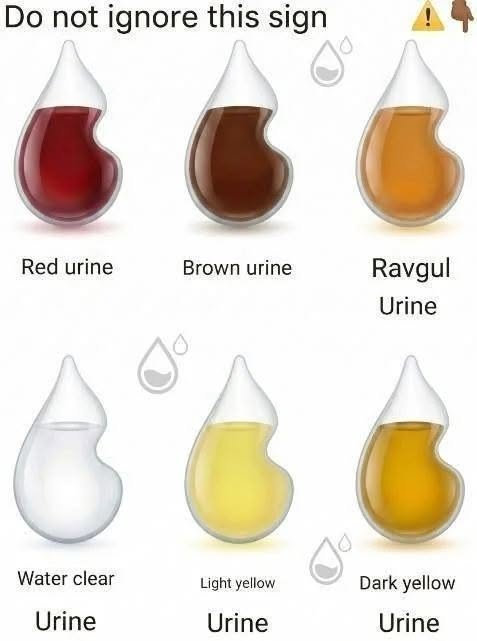
Pale Yellow to Transparent (Well-Hydrated):
-
What it means: This is the gold standard. It means you are well-hydrated, and your kidneys are effectively diluting waste products. (Note: Completely clear water-like urine can occasionally mean you are over-hydrated, though it’s generally harmless).
-
-
Dark Yellow to Amber (Mild to Moderate Dehydration):
-
What it means: As fluid intake drops, urochrome becomes more concentrated. This is your body’s gentle reminder to drink a glass of water.
-
-
Honey or Brownish-Syrup (Severe Dehydration or Liver Considerations):
-
What it means: Very dark, brownish urine usually points to significant dehydration. However, if persistent dark urine is accompanied by pale stools and yellowing of the skin or eyes (jaundice), it can indicate liver issues (such as bilirubin spilling into the urine).
-
Harmless Culprits: Why Food and Vitamins Change the Color
One reason viral urine lists cause unnecessary worry is that they fail to mention how drastically ordinary foods and supplements can alter your color within hours:
-
Bright Neon Yellow: Taking a standard multivitamin or B-complex supplement floods your body with excess riboflavin (Vitamin B2), which the kidneys quickly filter out, turning your urine a striking, harmless neon yellow.
-
Red or Pink: Eating beets, blackberries, or rhubarb can give urine a reddish hue (a harmless condition known as beeturia in about 10–14% of the population).
-
Orange: Carrots, sweet potatoes, or certain medications (like the antibiotic rifampin) can shift urine toward a bright orange.
-
Green or Blue: Asparagus, certain food dyes, or specific medications can occasionally impart a greenish tint.
When Urine Color Requires Medical Attention
While temporary food and hydration changes are normal, doctors look for specific, persistent warning signs that indicate an underlying medical issue:
-
Visible Blood (Pink, Red, or Cola-Colored):
-
If your urine looks pink, red, or smoky brown and you haven’t eaten beets or berries, it could signal blood in the urine (hematuria). This requires a medical evaluation to rule out urinary tract infections, kidney stones, or other urological conditions.
-
-
Persistent Dark Brown or Tea-Colored Urine:
-
If drinking plenty of water does not clear up dark, tea-colored urine, it can signal elevated bilirubin or liver dysfunction and should be checked by a physician.
-
-
Cloudy or Foul-Smelling Urine:
-
While concentrated urine can have a strong odor, cloudy or persistently foul-smelling urine—especially when accompanied by burning, pelvic pain, or frequent urges—often points to a urinary tract infection (UTI).
-
The Takeaway
You don’t need to scrutinize every single trip to the bathroom like a medical diagnostic lab. As long as your urine ranges from pale yellow to amber, you are simply responding to your daily hydration, diet, and vitamins. Keep a water bottle handy, and save the doctor’s visit for colors or symptoms that persist despite proper hydration!