The viral idea that a woman crossing her legs always carries a hidden psychological meaning—such as being closed off, defensive, defensive, or harboring secret body language signals—is a common trope in pop-psychology and internet articles.
In reality, the reason women cross their legs is much simpler and far more practical than most people think: comfort, posture, and anatomy.
Here is why women (and people in general) naturally cross their legs:
1. Pure Physical Comfort and Habit
For most people, leg-crossing is simply a comfortable, habitual resting posture.
-
Muscle Relaxation: When sitting for long periods, shifting your weight and crossing your legs allows different groups of thigh and hip muscles to relax.
-
Seating Ergonomics: Chairs, couches, and benches are rarely designed for every body type. Crossing the legs helps people adjust their posture to feel more secure and balanced in a seat that might otherwise feel too deep or wide.
2. Anatomical and Clothing Differences
While both men and women cross their legs, anatomical differences and fashion play a significant role in how often and how comfortably it is done:
-
Pelvic Structure: Due to wider hips and a broader pelvic angle in biological females, the femur angles inward slightly more toward the knee. This skeletal structure naturally makes crossing the legs at the knees or ankles feel physically very natural and stable.
-
Clothing: Skirts, dresses, and certain cuts of trousers often make crossing the legs the most comfortable or modest way to sit, preventing garments from shifting awkwardly.
3. Warmth
In cooler environments or air-conditioned offices, crossing your legs naturally reduces the exposed surface area of your legs and presses them together, which helps conserve body heat.
Is Crossing Your Legs Bad for You?
While it is completely natural and harmless for short periods, medical experts point out a few things to keep in mind if you cross your legs for hours at a time:
-
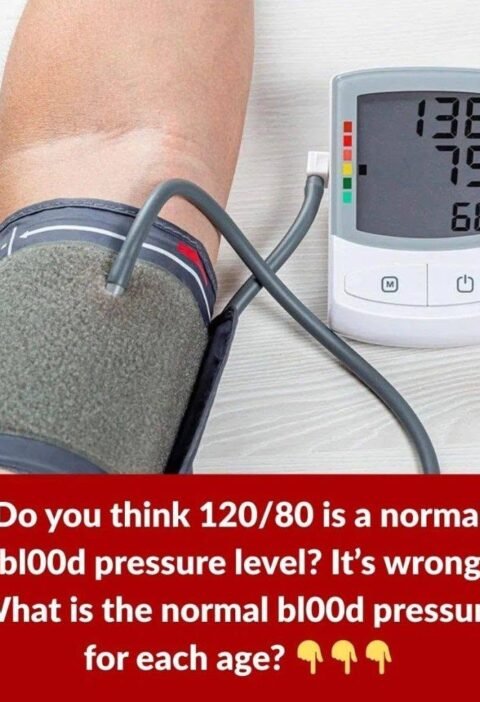
Temporary Blood Pressure Spike: Crossing your legs at the knee can temporarily raise your blood pressure because it restricts blood flow in the legs, forcing the heart to pump slightly harder. (If you are having your blood pressure checked at a doctor’s office, always keep both feet flat on the floor).
-
Nerve Compression: Sitting with your legs crossed for too long can compress the peroneal nerve behind the knee, leading to that familiar “pins and needles” sensation or temporary foot numbness.
-
Posture Strain: Habitually crossing only one leg can sometimes lead to pelvic misalignment or lower back discomfort over extended periods.
The Takeaway
When someone crosses their legs, it usually doesn’t mean they are hiding a secret or rejecting you—it simply means they are finding a comfortable way to sit.