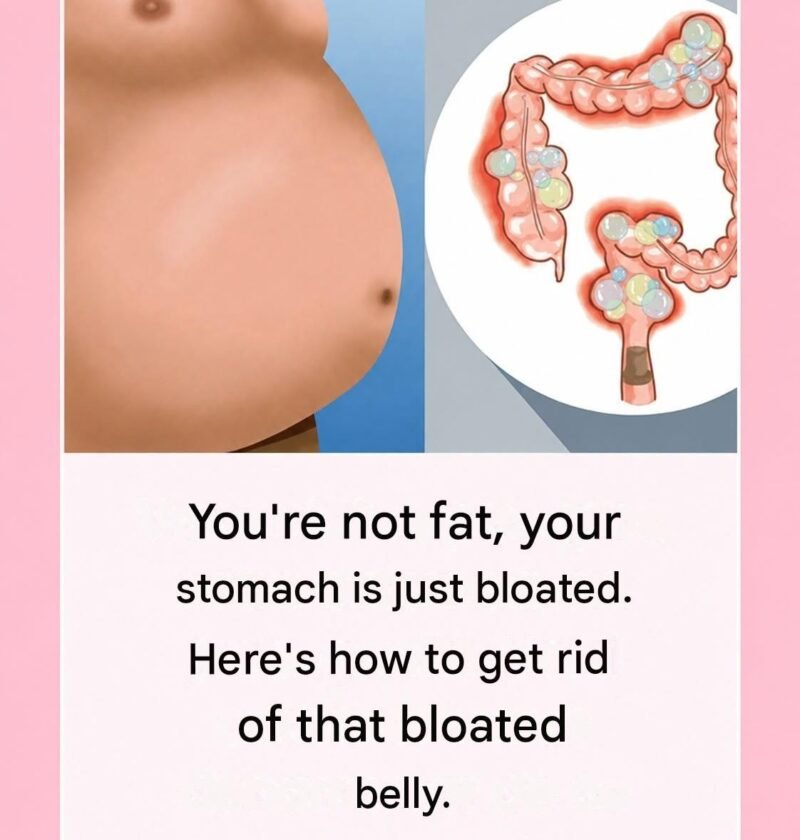
Catchy wellness titles often promise that a protruding stomach is simply “water retention” or “trapped gas” that can be banished overnight.
While it is true that abdominal bloating—a temporary feeling of fullness, tightness, or swelling in the abdomen—is frequently mistaken for body fat, understanding the real biological difference between bloating and body composition is key to finding relief.
The Difference: Bloating vs. Body Fat
-
Body Fat: Subcutaneous and visceral adipose tissue develop gradually over time through an excess caloric intake relative to energy expenditure. It is soft or firm tissue that remains relatively constant throughout the day.
-
Bloating: A dynamic physical state caused by a buildup of gas, fluid retention, or slowed digestion in the gastrointestinal tract. It often fluctuates significantly from morning to night, leaving the abdomen visibly distended, tight, or hard to the touch.
Why Your Abdomen Might Feel Bloated
When your stomach feels stretched out or distended, it is usually driven by one of several common physiological triggers:
-
Excess Gas Production: Eating quickly, drinking carbonated beverages, chewing gum, or consuming foods that ferment rapidly in the gut (such as beans, lentils, broccoli, onions, and certain artificial sweeteners) can produce high volumes of gas in the intestines.
-
Slowed Digestion and Constipation: When stool moves sluggishly through the colon, it creates a physical backup that pushes the abdominal wall outward, causing persistent lower belly distention and discomfort.
-
Fluid Retention (Water Weight): High sodium intake, hormonal fluctuations, or eating heavy, processed meals can cause the body to temporarily hold onto excess water, leading to puffiness throughout the body, including the midsection.
-
Food Sensitivities or Intolerances: Mild malabsorption issues—such as difficulty breaking down lactose (dairy) or fructose—can cause sudden gas, inflammation, and bloating shortly after eating.
Practical Ways to Ease and Prevent Bloating
-
Move Your Body: Gentle physical activity, such as a 15-minute walk after a meal, stimulates peristalsis (the wave-like muscle contractions of the gut) and helps trapped gas move through the digestive tract efficiently.
-
Hydrate Consistently: Drinking plenty of plain water throughout the day actually helps flush out excess sodium and prevents the water retention caused by mild dehydration.
-
Eat Mindfully: Chewing your food thoroughly and eating more slowly reduces the amount of air you swallow, which is a major contributor to upper abdominal bloating.
-
Identify Personal Triggers: Pay attention to which specific foods leave you feeling uncomfortably distended. Keeping a brief food and symptom log can help pinpoint subtle intolerances.