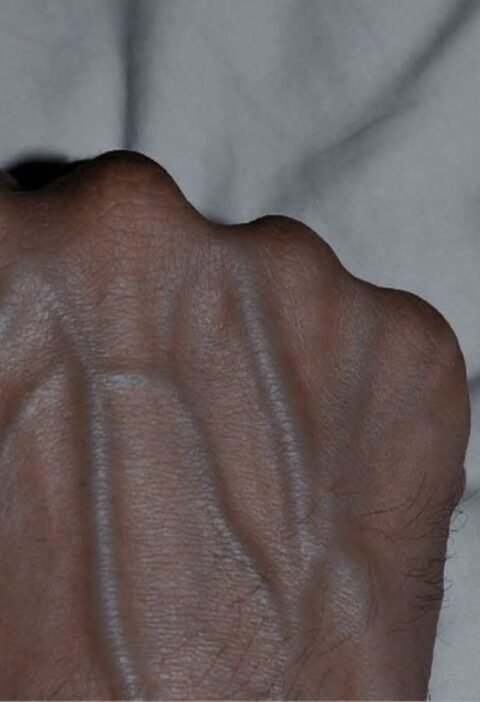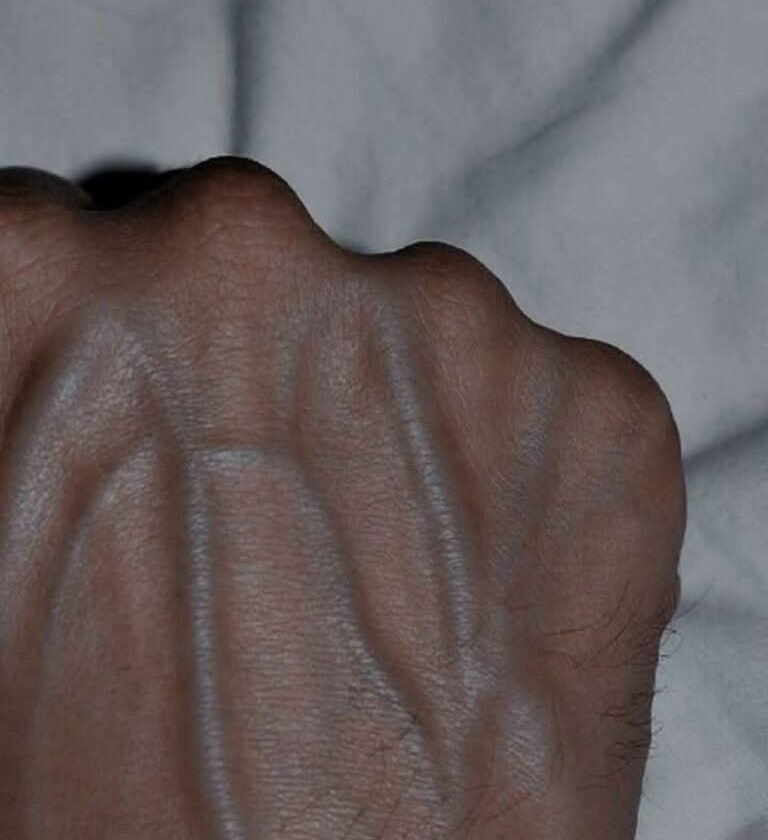
Noticeable or prominent veins under the skin are extremely common. While people often associate visible veins strictly with aging or medical conditions, the reality is much more varied. Depending on where they appear and what they look like, visible veins can range from a completely harmless physical trait to a signal that your circulatory system needs attention.
Common, Harmless Reasons for Visible Veins
Most of the time, seeing your veins more clearly is simply a reflection of your physical makeup or temporary lifestyle factors:
-
Low Body Fat and Thin Skin: Veins lie just beneath the skin’s surface. If you have a naturally low body fat percentage, thin skin, or a fair complexion, blood vessels are simply more visible to the naked eye. This is especially true on the hands, arms, and feet.
-
Athletic Build and Muscle Mass: Regular weight training and intense exercise increase blood flow and muscle size, which pushes veins closer to the surface. Furthermore, working out temporarily raises blood pressure, causing veins to dilate and appear more prominent.
-
Aging and Loss of Elasticity: As we age, the skin naturally thins and loses collagen and subcutaneous fat. Without that cushioning layer, veins that were previously hidden become much easier to see.
-
Heat and Humidity: Warm weather causes blood vessels to dilate (expand) to help release body heat and cool you down. This natural process brings veins closer to the skin’s surface.
When Visible Veins Indicate an Underlying Issue
Sometimes, prominent or altered veins point to a medical cause that affects how blood flows back to your heart:
-
Varicose Veins: These are enlarged, twisted, and swollen veins—most commonly appearing in the legs and feet. They occur when tiny one-way valves inside the veins weaken or fail, causing blood to pool backward rather than flowing smoothly upward against gravity. They can cause aching, heaviness, or throbbing in the legs.
-
Spider Veins (Telangiectasias): Smaller cousins to varicose veins, spider veins look like thin, red, blue, or purple web-like clusters close to the skin’s surface. While often harmless, they can sometimes be linked to underlying venous insufficiency.
-
Hormonal Shifts: Pregnancy and hormonal fluctuations significantly increase blood volume and progesterone levels, which relaxes blood vessel walls and frequently leads to temporary or permanent visible veins.
When to Consult a Doctor
While harmless visible veins require no action, you should have a healthcare professional or a vein specialist evaluate them if you experience:
-
Persistent aching, throbbing, cramping, or a feeling of heaviness in your legs, especially after standing for long periods.
-
Swelling in your lower legs, ankles, or feet.
-
Skin discoloration, dryness, or sores (ulcers) near the ankle.
-
A vein that becomes hard, warm, tender, or painful to the touch.