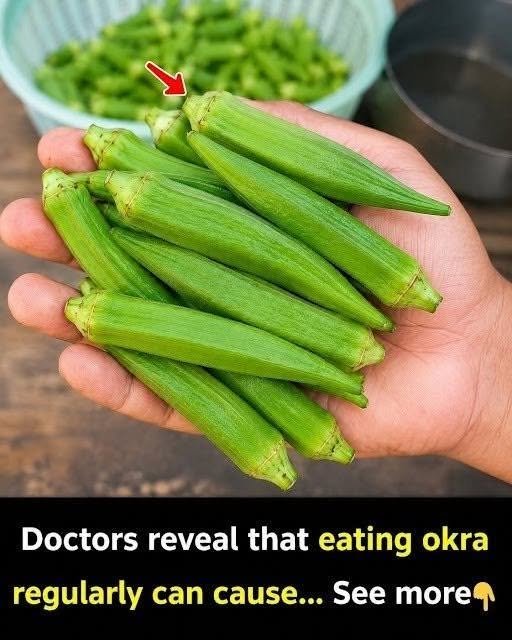
Sensational headlines warning that eating okra regularly will “destroy” or cause severe health problems are a massive exaggeration of nutrition science. Like many nutrient-dense vegetables, okra is exceptionally healthy for most people, but doctors and dietitians point out a few specific physiological effects and potential downsides to keep in mind if you eat it frequently.
Here is what regular okra consumption actually does in your body—both the profound benefits and the few side effects worth knowing:
The Real Health Effects of Eating Okra Regularly
1. Remarkable Benefits (Why Doctors Love It)
-
Blood Sugar Regulation: Okra is rich in soluble fiber and antioxidants (like polysaccharides) that slow down the absorption of sugar in the intestinal tract, helping to prevent sharp post-meal blood glucose spikes.
-
Cholesterol and Heart Health: The natural gel-like substance inside okra (called mucilage) can bind to cholesterol during digestion, helping your body excrete it naturally rather than absorbing it into your bloodstream.
-
Rich in Essential Vitamins: It is an incredible source of Vitamin K (crucial for bone strength and blood clotting) and folate (essential for cellular health and fetal development).
2. The Potential Side Effects & Downsides
While okra is safe and healthy for the vast majority of people, regular, heavy consumption can pose challenges for specific health profiles:
-
An Increased Risk of Kidney Stones: Okra is relatively high in oxalates. When oxalates bind with calcium in the urinary tract, they can form calcium oxalate kidney stones. If you have a personal history of kidney stones, doctors generally advise moderating your intake of high-oxalate foods like okra and spinach.
-
Gastrointestinal Distress: Because okra is packed with soluble fiber and fructans (a type of carbohydrate), suddenly eating large quantities of it can cause gas, bloating, or diarrhea in individuals with sensitive digestive systems, IBS (irritable bowel syndrome), or those unaccustomed to a high-fiber diet.
-
Medication Interactions (Blood Thinners): Because okra is exceptionally rich in Vitamin K—which helps your blood clot—eating large, fluctuating amounts of it can occasionally interfere with anticoagulant medications like Warfarin (Coumadin), which rely on a steady, predictable vitamin K intake to do their job properly.
The Bottom Line
If you enjoy okra, you don’t need to cut it out of your diet. It is a fantastic, fiber-rich addition to a balanced, whole-food lifestyle. However, like any food, moderation is key—enjoying it as part of a diverse diet gives you all the cardiovascular and blood sugar benefits without overloading your system with oxalates or fiber.