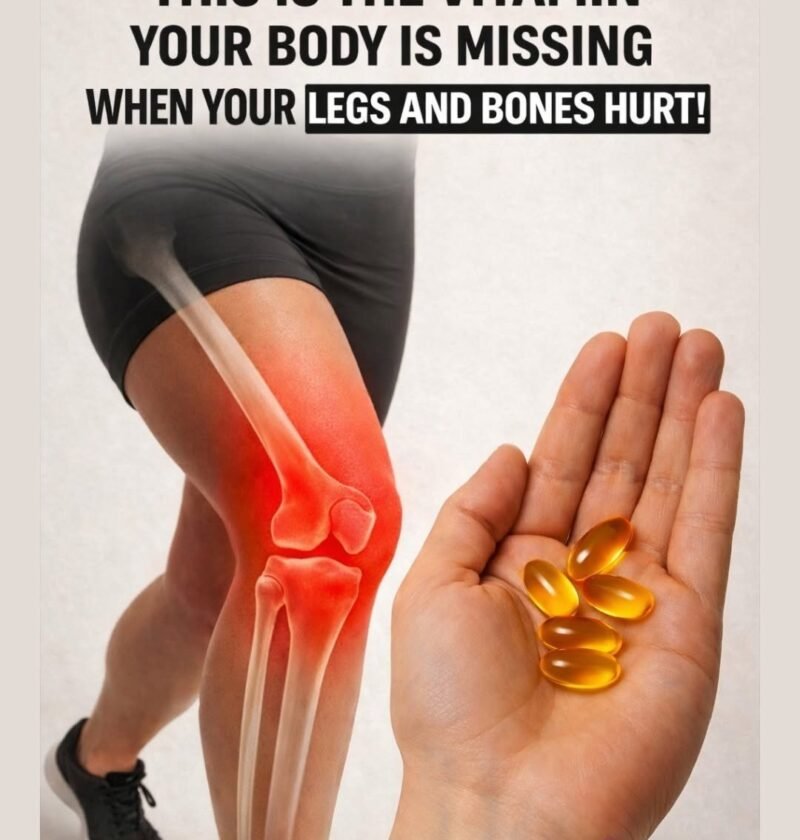
The headline “This Is the Vitamin Your Body Is Missing When Your Legs and Bones Hurt” is a classic nutritional scare tactic. These articles almost always point an accusing finger at a single, dramatic deficiency—usually Vitamin D, calcium, or magnesium—and claim that popping a specific over-the-counter supplement will instantly erase your aches and pains.
While nutritional deficiencies can indeed impact musculoskeletal health, pain in your legs and bones is a complex physical signal. In clinical medicine, bone and limb pain is rarely caused by a single, isolated vitamin shortage. It can stem from anything from simple muscle fatigue and electrolyte imbalances to orthopedic strain, nerve compression, or systemic inflammation.
Let’s separate sensationalized supplement marketing from what your body is actually communicating when your legs and bones hurt.
The Real Culprits Behind Leg and Bone Aches
When patients report deep aches in their legs or bones, physicians investigate several physiological categories rather than jumping straight to a single vitamin deficiency:
1. Vitamin D and Calcium (The Mineralization Axis)
-
What happens: Vitamin D is essential because your gut cannot absorb calcium and phosphorus without it. When Vitamin D levels are chronically and severely low over a long period, it can lead to a condition called osteomalacia in adults (softening of the bones) or rickets in children, which can cause dull, deep bone pain, especially in the hips, pelvis, and legs.
-
The Clinical Reality: While true osteomalacia causes bone pain, mild or borderline Vitamin D dips are extremely common and rarely cause severe, localized limb pain on their own. Furthermore, excessive, unmonitored megadoses of fat-soluble Vitamin D can lead to toxicity and dangerous calcium buildup in your soft tissues and kidneys.
2. Electrolyte Imbalances and Dehydration
-
What happens: If your legs are cramping, throbbing, or aching after activity, it is frequently a muscular issue driven by low magnesium, potassium, or sodium, combined with dehydration. Muscles need precise electrical signaling and hydration to contract and relax smoothly; when balance fails, they seize up into painful spasms (charley horses).
3. Vascular and Circulatory Issues
-
What happens: Aches or heavy pain in the calves and thighs—especially when walking or resting—can stem from poor arterial circulation (such as peripheral artery disease) or venous insufficiency. When blood flow struggles to return efficiently from the lower extremities, it creates a heavy, aching sensation that has nothing to do with vitamins.
4. Mechanical Strain and Overuse
-
What happens: Simple biomechanical overload—such as improper footwear, sudden increases in physical activity, standing on hard concrete floors for 10 hours a day, or joint inflammation (osteoarthritis)—places immense physical stress on the bones, tendons, and joints of the lower body.
How Medicine Actually Evaluates Bone and Limb Pain
You don’t need to guess which vitamin you are “missing” based on an internet ad trying to sell you a supplement bottle. If you experience persistent, unexplained bone or leg pain, a physician evaluates the root cause through targeted steps:
-
Detailed Clinical History: Determining whether the pain is in the bones (deep, dull, constant ache), the joints (pain with movement and stiffness), or the muscles (cramping and soreness).
-
Targeted Blood Work: Ordering specific panels—such as a 25-hydroxyvitamin D test, complete metabolic panel, and electrolyte levels—to see if a true deficiency exists before recommending any supplementation.
-
Physical and Imaging Assessments: Checking circulation, neurological function, or ordering X-rays if structural bone issues are suspected.