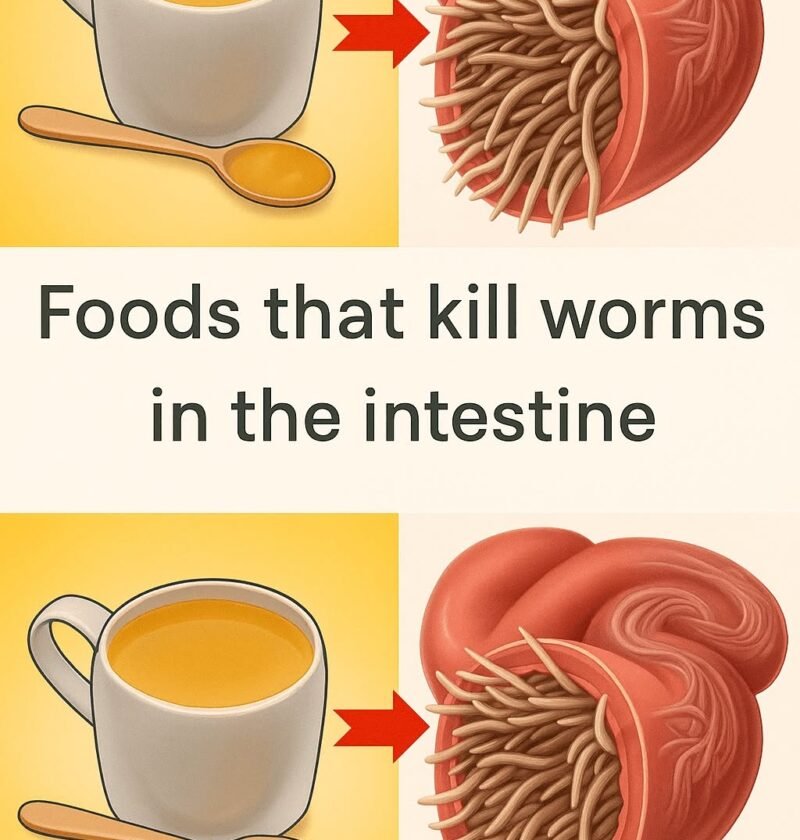
The headline “7 Foods That Kill Worms in the Intestine” is a classic piece of parasite-cleansing clickbait. These articles usually feature dramatic graphics and promise that eating everyday kitchen items—like raw garlic cloves, pumpkin seeds, pineapple core, or hot chili peppers—will act as a powerful medicinal purge to instantly flush out invisible internal parasites.
While certain foods have traditional reputations or mild antimicrobial properties, the idea that a casual snack can cure a serious intestinal parasitic infection is a medical misconception.
In clinical parasitology, intestinal worms (such as pinworms, tapeworms, or roundworms) are legitimate medical conditions that require targeted antiparasitic medications prescribed by a physician—not a trip to the produce aisle.
The Myth of “Kitchen Cleanses” vs. Actual Parasites
Why do these viral food cures fall short against real intestinal infections?
-
The Strength of Intestinal Pathogens: Parasites that successfully colonize the human digestive tract have evolved sophisticated mechanisms to survive harsh stomach acid, digestive enzymes, and immune defenses. Nibbling on pumpkin seeds or chewing raw garlic will not eradicate established worms or their microscopic eggs.
-
Confusing Mild Antimicrobial Effects with Cures: Foods like garlic (which contains allicin) possess mild antibacterial and antifungal properties in a laboratory setting. However, eating them does not translate into an internal chemical weapon strong enough to kill or dislodge adult parasites anchored in the gut.
What Real Intestinal Infections Look Like
True intestinal parasite infections are diagnosed through clinical stool tests ordered by a doctor. They typically present with distinct symptoms depending on the organism, such as:
-
Pinworms: Extremely common in children, causing intense, localized anal itching that worsens at night (when female worms migrate to lay eggs).
-
Protozoan or Helminthic Infections: Often acquired via contaminated water or food, leading to persistent watery diarrhea, cramping, bloating, nausea, and unexplained weight loss.
If a parasitic infection is genuinely present, a doctor will prescribe specific, highly effective antiparasitic medications (such as albendazole, mebendazole, or pyrantel pamoate) that safely target the organism’s cellular biology.
The Takeaway
You don’t need to fear everyday foods, nor should you rely on them as medical treatments. Garlic and pumpkin seeds are healthy additions to a balanced diet, but if you suspect an actual parasitic infection, skip the internet cleanse protocols and consult a healthcare provider for proper diagnostics and prescription care.