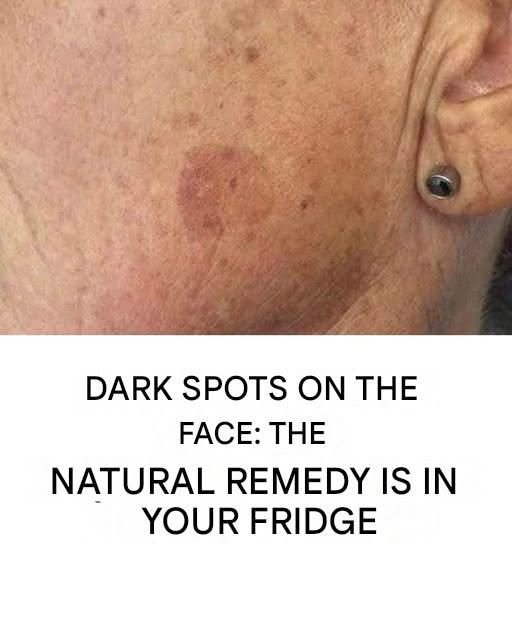
When catchy beauty headlines promise that a simple household ingredient mixed into your daily face cream will make blemishes vanish forever, it usually taps into popular DIY skincare trends. While certain kitchen staples have skin-soothing or exfoliating properties, mixing DIY ingredients directly into commercial face creams requires a lot of caution.
Here is a look at what these viral skincare hacks typically involve, how they affect the skin, and what you should consider before trying them.
🍋 Common DIY Add-Ins Touted for Blemishes
-
Lemon Juice or Citrus Extracts:
-
The Claim: High vitamin C and citric acid will brighten skin and fade dark spots.
-
The Reality: Pure citrus juice is extremely acidic and can disrupt the skin’s natural barrier. Applying it—especially before sun exposure—can cause severe irritation, chemical burns, or paradoxical hyperpigmentation (darkening the spots you want to fade).
-
-
Tea Tree Oil:
-
The Claim: Natural antibacterial properties will dry out active pimples.
-
The Reality: Tea tree oil is genuinely effective against acne-causing bacteria, but it must be heavily diluted (usually to around 5%). Pouring it directly into a jar of face cream can make the concentration uneven, and undiluted drops can cause contact dermatitis or chemical burns.
-
-
Baking Soda:
-
The Claim: Acts as an exfoliator to buff away dead skin and clear pores.
-
The Reality: Baking soda is fiercely alkaline (pH around 9), while healthy skin is slightly acidic (pH around 4.5 to 5.5). Using baking soda strips the skin’s protective lipid barrier, leading to severe dryness, irritation, and breakouts.
-
⚠️ Why Mixing DIY Ingredients Into Commercial Creams Is Risky
-
Preservative Breakdown: Commercial face creams contain carefully balanced preservatives designed to prevent mold, bacteria, and yeast from growing in the jar or bottle. Adding water-based fruit juices, fresh plant purees, or oils can dilute these preservatives, turning your favorite cream into a breeding ground for harmful microbes.
-
Irritation and Barrier Damage: Active ingredients require precise formulation, pH balancing, and correct concentrations to be safe for facial skin. Kitchen ingredients lack this precision, often leading to redness, flaking, or a compromised skin barrier.
✨ Safer Ways to Target Blemishes
If you are looking to clear blemishes and fade marks safely, look for dermatologist-tested products formulated with stable, proven active ingredients rather than kitchen experiments:
-
Salicylic Acid (BHA): Penetrates deep into pores to dissolve oil and dead skin cells, making it ideal for active breakouts.
-
Benzoyl Peroxide: Kills acne-causing bacteria directly.
-
Niacinamide or Vitamin C (Formulated): Helps safely brighten post-acne dark spots without disrupting skin pH.
Are you dealing with active breakouts, or are you mostly looking to fade lingering dark spots from past blemishes?