Few foods are as naturally packaged, convenient, and debated as the banana. Long caught between being praised as an ultimate fitness superfood and feared by low-carb dieters as a “sugar bomb,” the humble banana packs a complex biochemical punch.
When you incorporate bananas into your regular diet, several distinct physiological effects take place.
10 Health Benefits & Effects of Eating Bananas
-
Immediate and Sustained Energy: Bananas contain three natural sugars (fructose, glucose, and sucrose) paired with fiber. This gives you an instant boost of clean energy without the fats or processed chemicals found in energy bars, making them a favorite for athletes.
-
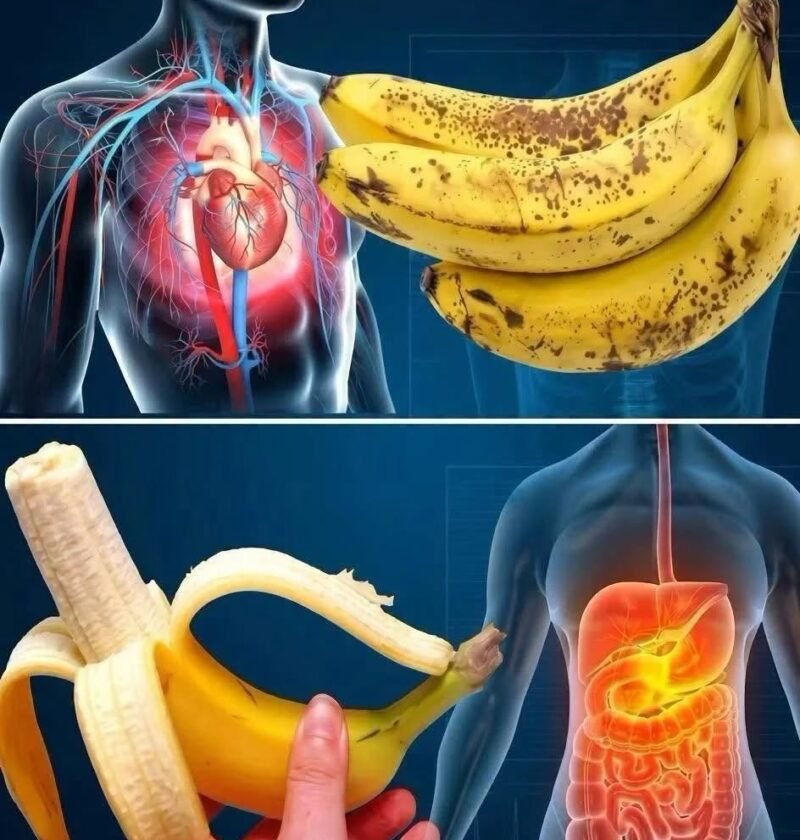
Blood Pressure Regulation: A medium banana provides roughly 400 to 450 mg of potassium. Potassium is a key electrolyte that helps lower blood pressure by easing tension in blood vessel walls and helping your body excrete excess sodium.
-
Enhanced Digestive Regularity: Providing about 3 grams of dietary fiber (roughly 10% of your daily needs), bananas help keep your digestive tract moving smoothly.
-
Prebiotic Gut Support (Especially Unripe Bananas): Green or slightly firm bananas are rich in resistant starch. Unlike regular starches, resistant starch passes through the small intestine undigested to feed the friendly bacteria in your colon, reducing inflammation and promoting a healthy microbiome.
-
Nervous System & Brain Support: Bananas are rich in Vitamin B6 (a medium banana provides about a quarter of your daily requirement). B6 is essential for manufacturing neurotransmitters like serotonin, dopamine, and GABA, which regulate mood, sleep cycles, and cognitive function.
-
Appetite Control and Satiety: Because they are rich in soluble fiber and resistant starch, bananas slow down digestion and promote a feeling of fullness, making it easier to curb mindless snacking.
-
Post-Workout Muscle Recovery: The combination of easily digestible carbohydrates, magnesium, and potassium helps replenish depleted electrolyte stores and minimize exercise-induced muscle cramps.
-
Gentle on an Upset Stomach: Ripe bananas are soft, bland, and easily tolerated by the digestive tract. They are a staple of the classic “BRAT” diet used to recover from gastrointestinal bugs or nausea because they replace lost electrolytes without irritating the stomach lining.
-
Support for Kidney Health: Adequate potassium intake helps prevent the formation of calcium kidney stones over time by reducing calcium excretion in urine.
-
Cellular Protection (Antioxidants): Bananas contain bioactive plant compounds like dopamine and catechins, which act as antioxidants to help neutralize cell-damaging free radicals.
⚠️ Important Things to Know (The Nuances)
While bananas are undeniably nutritious, a few caveats are worth keeping in mind:
-
The Ripeness Factor Changes the Sugar: As a banana ripens from green to yellow to spotted brown, its resistant starches convert into simple sugars. If you are managing blood pressure or diabetes, greener bananas have a lower glycemic index and cause a much slower, more stable blood sugar response than overripe, sugary bananas.
-
Pairing Matters: If you have blood sugar concerns, eating a banana on an empty stomach can cause a sharp spike. Pairing it with a source of protein or healthy fat (like peanut butter, almonds, or Greek yogurt) slows down sugar absorption significantly.
-
Watch Out If You Have Advanced Kidney Disease: Because failing kidneys cannot efficiently filter excess potassium out of the blood, individuals with advanced chronic kidney disease (CKD) often have to strictly limit high-potassium foods like bananas.