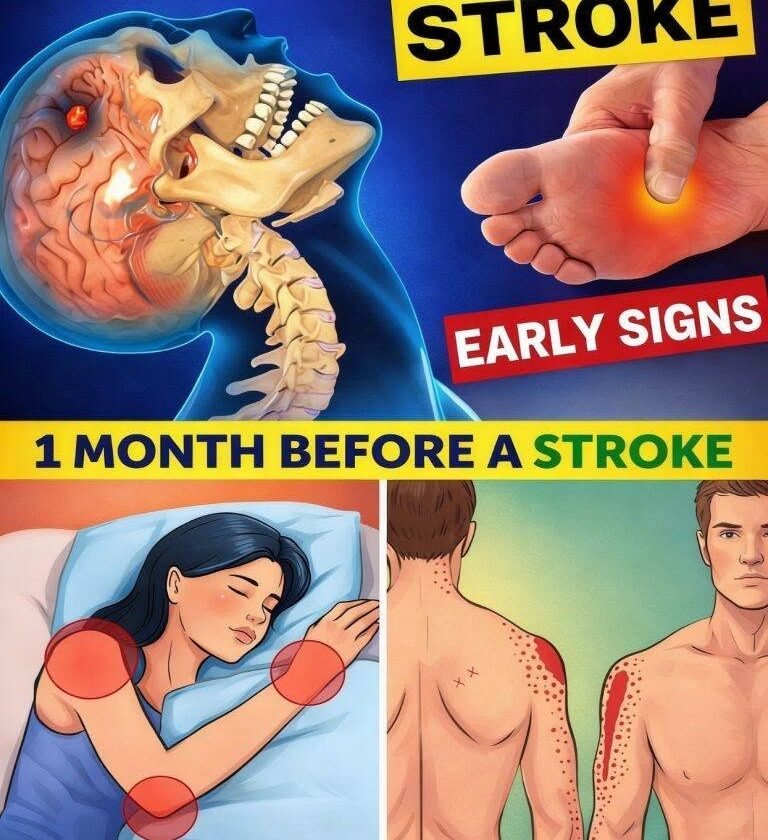
This is another headline structure commonly used online. While listicles about stroke warning signs and prevention tips can share genuinely life-saving medical information, they are frequently wrapped in sensationalized packaging to grab your attention.
To help separate viral formatting from actual neurology, here is a breakdown of what medicine actually says about early stroke indicators and proven prevention strategies.
Part 1: Can Stroke Signs Really Appear a Month Before?
The idea of a stroke “giving warnings a month in advance” is slightly misleading in how it’s phrased, but it points to a very real medical phenomenon: Transient Ischemic Attacks (TIAs), commonly known as mini-strokes.
-
What a TIA is: A TIA happens when a blood clot temporarily blocks an artery in the brain, cutting off blood flow for a few minutes before dissolving or moving on.
-
The Catch: TIA symptoms (like sudden one-sided weakness, slurred speech, or vision blurriness) mimic a full stroke completely, but they resolve entirely within minutes to hours.
-
Why the “Timing” Varies: Because people often brush off transient symptoms (“it went away, so I must be fine”), weeks or a month can pass between a minor warning TIA and a major, catastrophic stroke. Clinical data shows that a significant percentage of major strokes are preceded by these smaller warning events days or weeks prior.
True Warning Signs of a TIA or Impending Stroke (The BE FAST Framework):
-
B – Balance: Sudden dizziness, loss of balance, or lack of coordination.
-
E – Eyes: Sudden trouble seeing in one or both eyes.
-
F – Face: Sudden facial drooping, especially on one side.
-
A – Arms: Sudden weakness or numbness in one arm or leg.
-
S – Speech: Slurred speech, trouble speaking, or difficulty understanding.
-
T – Time: Time to call emergency services immediately if any of these occur, even if they disappear.
(Note: Chronic symptoms like generalized fatigue or mild, everyday headaches are not specific predictors of a stroke on their own, which is why dramatic timelines like “exact symptoms one month prior” are often exaggerated for clicks.)
Part 2: 9 Evidence-Based Tips to Prevent a Stroke
Unlike viral “miracle cures,” stroke prevention is grounded in managing vascular health over time. Neurologists and cardiologists recommend these foundational steps:
-
Manage Blood Pressure: Hypertension is the absolute leading cause of stroke. Keep your blood pressure checked regularly and within your doctor’s recommended target range.
-
Monitor and Control Cholesterol: High LDL cholesterol builds up plaque in your arteries, restricting blood flow to the brain.
-
Keep Blood Sugar in Check: Diabetes damages blood vessels over time and significantly increases the likelihood of clot formation.
-
Treat Heart Conditions (like Atrial Fibrillation): An irregular heartbeat can cause blood to pool in the heart, form clots, and travel to the brain. If you have Afib, work closely with a cardiologist.
-
Quit Smoking: Smoking thickens blood, increases clot risks, and accelerates damage to the lining of your arteries.
-
Adopt a Heart-Healthy Diet: Focus on patterns rich in vegetables, fruits, whole grains, and lean proteins while minimizing excess sodium and processed sugars.
-
Stay Physically Active: Aim for regular, moderate exercise (like brisk walking for 30 minutes a day, most days of the week) to support healthy circulation and weight management.
-
Limit Alcohol Consumption: Heavy drinking raises blood pressure and weakens blood vessels over time.
-
Know Your Family History and Get Regular Screenings: Routine medical checkups catch silent risk factors like high blood pressure or high cholesterol long before they manifest into an emergency.
The Bottom Line
You don’t need a secret internet trick to protect yourself from a stroke—standard, consistent medical management of your cardiovascular health is what truly lowers the risk. If you or someone around you ever experiences sudden neurological symptoms (like facial drooping or slurred speech), never wait to see if it passes—call emergency services right away.