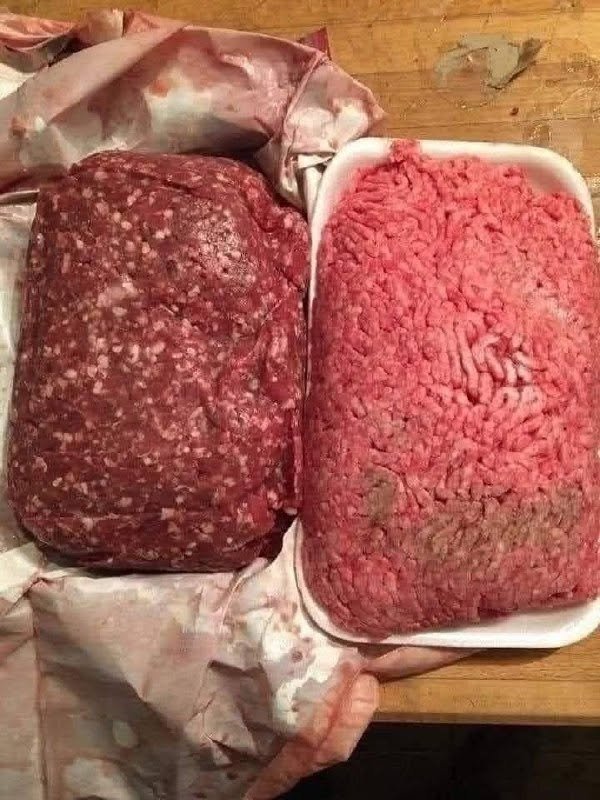
…factory-farmed mega-feedlots, old stock repackaged with new dates, or lab-grown meat disguised as the real thing!
It looks like we’ve reached the grand finale of sensationalized grocery store conspiracy headlines. When articles try to scare you away from the butcher aisle with dramatic ellipsis dots, they are usually tapping into very real consumer anxieties about food safety, corporate farming, and modern processing—often while exaggerating the facts for maximum shock value.
What Supermarket Meat Fear-Mongering Usually Claims
If you clicked through that kind of exposé, the article typically tries to trigger alarm bells with a few recurring themes:
-
Repackaged Expiration Dates:
-
The Claim: Supermarkets routinely wash expired meat in chemical solutions, change the sell-by labels, and put it back out to rot in your shopping cart.
-
The Reality: While grocery store food safety violations do happen occasionally and are heavily penalized by health inspectors, major supermarkets have strict inventory protocols and digital tracking. Spoiled meat is notoriously difficult to mask without obvious odor and discoloration, and the liability risk is massive.
-
-
Industrial Feedlots and Antibiotics:
-
The Claim: Commercial meat is entirely toxic because animals are pumped full of hormones and heavy antibiotics.
-
The Reality: This is the kernel of truth that clickbait wraps its scare tactics around. The vast majority of mass-market meat does come through large-scale conventional farming, where livestock are raised in feedlots and regulated antibiotics are used to prevent disease. However, regulatory agencies like the USDA strictly monitor residue limits to ensure meat sold to consumers is chemically safe.
-
-
Modified Atmospheres:
-
The Claim: That bright red color on packaged beef is a toxic chemical dye used to trick your eyes.
-
The Reality: It’s actually just packaging science! Supermarkets use “modified atmosphere packaging” (MAP), replacing the air in the package with a safe, precise mix of oxygen and carbon dioxide to keep the meat’s natural red color from turning brown prematurely due to oxidation.
-
How to Shop with Confidence
You don’t need to panic every time you walk past the meat counter. If you want to bypass the industrial supply chain worries entirely, you have plenty of practical, non-alarmist options:
-
Look for Specific Labels: If avoiding conventional feedlots matters to you, look for certified labels like USDA Organic, Grass-Fed/Grass-Finished, or Pasture-Raised, which have strict legal definitions regarding animal feed and living conditions.
-
Support Local Butchers: Buying directly from local farms or independent butcher shops often connects you to regional, transparently sourced meat.
-
Trust Your Senses: No matter where you buy your meat, your own senses are your best safety net. Check for a clean smell, proper refrigeration temperature, and absence of excessive sliminess.
So while grocery store marketing and industrial farming certainly have their complexities, a standard steak or chicken breast isn’t a ticking time bomb!
Did a specific grocery exposé catch your eye, or are you a fan of hunting down local, grass-fed options for your meals?