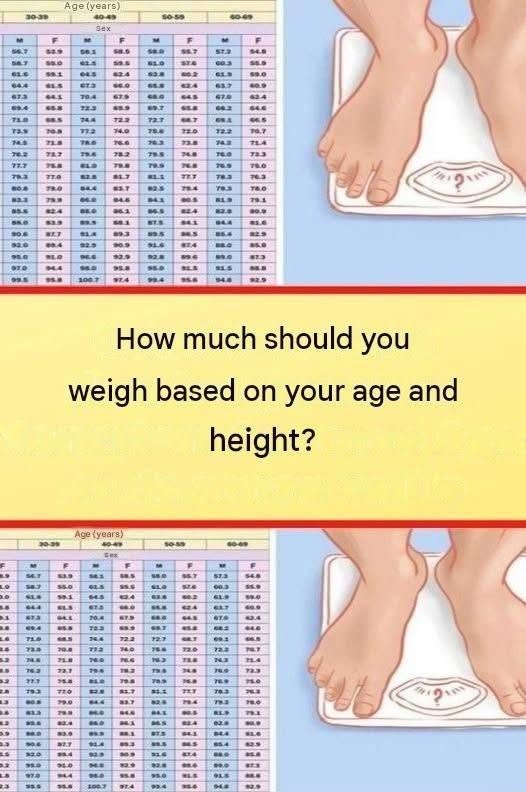
When people search for an “ideal weight,” they are usually looking for a single, magical number on the bathroom scale. However, modern medicine and nutrition science agree that an ideal body weight is not a fixed number—it is a healthy range that varies from person to person based on several unique biological factors.
Here is a complete guide to understanding what a healthy body weight actually means for you.
Why a Single “Ideal Weight” Doesn’t Exist
Two people of the exact same height and weight can have completely different body compositions and health profiles. A healthy weight depends on:
-
Muscle Mass vs. Body Fat: Muscle tissue is much denser than fat. An athlete with a high muscle mass may technically fall into the “overweight” category on standard charts while having low body fat and peak metabolic health.
-
Bone Density and Frame Size: People with larger skeletal frames naturally weigh more than those with petite frames, even at the same height.
-
Age and Sex: Body fat distribution and metabolic rates naturally shift as we age, and biological males and females have different baseline fat-to-muscle ratios.
How Modern Medicine Measures Healthy Weight
Instead of relying on rigid charts, doctors use a combination of metrics to evaluate whether someone is carrying a healthy amount of weight:
-
Body Mass Index (BMI):
-
What it is: A calculation comparing your weight to your height ($BMI = weight(kg) / height(m)^2$).
-
The Ranges: A standard BMI between 18.5 and 24.9 is generally classified as “normal weight.”
-
The Limitation: BMI is a broad screening tool, but it cannot tell the difference between muscle weight and fat weight.
-
-
Waist Circumference (Visceral Fat Indicator):
-
What it is: Measuring the distance around your natural waistline.
-
Why it matters: Excess fat stored deep inside the abdomen around your organs (visceral fat) is much more closely linked to heart disease, type 2 diabetes, and metabolic syndrome than subcutaneous fat stored just under the skin. Generally, a waist circumference over 35 inches for women or 40 inches for men signals an elevated health risk.
-
-
Body Composition:
-
What it is: Assessing your exact ratio of fat mass to lean muscle mass using tools like bioimpedance scales or DEXA scans.
-
What a Truly Healthy Weight Looks Like in Daily Life
Rather than chasing an arbitrary aesthetic goal, healthcare professionals look at functional health markers. Your weight is in an ideal place if:
-
Your Energy Is Steady: You can go about your daily activities, exercise, and move without chronic fatigue or joint pain.
-
Your Blood Markers Are Stable: Your blood pressure, fasting blood sugar, and cholesterol levels sit within healthy, normal ranges.
-
Your Lifestyle Is Sustainable: You maintain your weight naturally through a balanced, nutrient-dense diet and regular movement rather than extreme, restrictive dieting.
Are you looking at weight management for general fitness, heart health, or trying to understand your personal wellness goals?