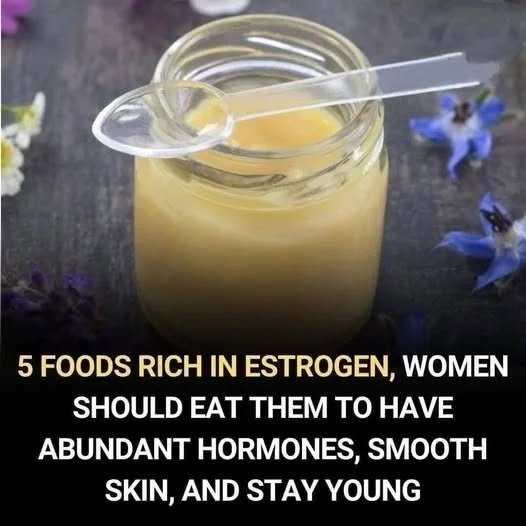
When people talk about eating foods “rich in estrogen,” they are usually referring to foods containing phytoestrogens—naturally occurring plant compounds that share a similar chemical structure to human estrogen. Because of this structure, they can weakly bind to estrogen receptors in the body, either mimicking or gently balancing estrogenic activity.
Here are 5 nutrient-packed foods that are exceptionally rich in phytoestrogens and easy to incorporate into your daily meals:
1. Flaxseeds (The Lignan Powerhouse)
-
The Estrogen Compound: Lignans (a type of polyphenol and phytoestrogen).
-
Why they stand out: Flaxseeds contain more lignans than almost any other plant food on earth—up to 800 times more than other foods.
-
How to eat them: Ground flaxseeds are best because your body cannot easily break down whole seeds. Stir a tablespoon into oatmeal, yogurt, or smoothies to get a rich dose of fiber and plant compounds.
2. Soybeans, Tofu, and Edamame
-
The Estrogen Compound: Isoflavones (specifically genistein and daidzein).
-
Why they stand out: Whole soy foods are among the most studied sources of plant estrogens. Research shows that soy isoflavones can interact with estrogen receptors in a very mild way, helping to ease symptoms like hot flashes during menopause while supporting heart health.
-
How to eat them: Snack on steamed edamame pods, add cubed tofu to stir-fries, or swap dairy for unsweetened soy milk.
3. Sesame Seeds
-
The Estrogen Compound: Lignans (similar to flaxseeds).
-
Why they stand out: Sesame seeds are a culinary staple that packs a serious phytoestrogen punch. Studies have noted that regular consumption of sesame seeds can positively influence sex hormone blood levels, particularly in postmenopausal women.
-
How to eat them: Sprinkle toasted sesame seeds over salads, stir-fries, or use nutrient-dense tahini (sesame paste) as a dressing base.
4. Dried Fruits (Dates, Prunes, and Apricots)
-
The Estrogen Compound: Various plant phytoestrogens and dietary fiber.
-
Why they stand out: Beyond being naturally sweet, convenient snacks, dried fruits are exceptionally rich sources of dietary phytoestrogens. They also provide a great surge of iron, potassium, and fiber.
-
How to eat them: Toss chopped dates or apricots into a morning salad, or blend them into homemade energy bites. (Just enjoy in moderation, as dried fruit is concentrated in natural sugars).
5. Garlic and Onions
-
The Estrogen Compound: Flavonoids and sulfur-based compounds.
-
Why they stand out: While garlic and onions are often thought of simply as aromatic flavor enhancers, they are actually packed with a flavonoid called quercetin, which possesses mild estrogenic and powerful anti-inflammatory properties.
-
How to eat them: Sauté them as the flavorful base for soups, roasted vegetables, and sauces to easily weave them into your everyday cooking.
A Quick Note on Phytoestrogens
Eating foods rich in phytoestrogens is a delicious, healthy addition to a balanced diet, as they also offer great fiber, vitamins, and antioxidants. However, they are plant hormones, so they won’t dramatically alter your body’s internal hormone levels or replace medical treatments.
Are you looking to incorporate these foods for general wellness, or trying to manage specific dietary or hormonal changes?