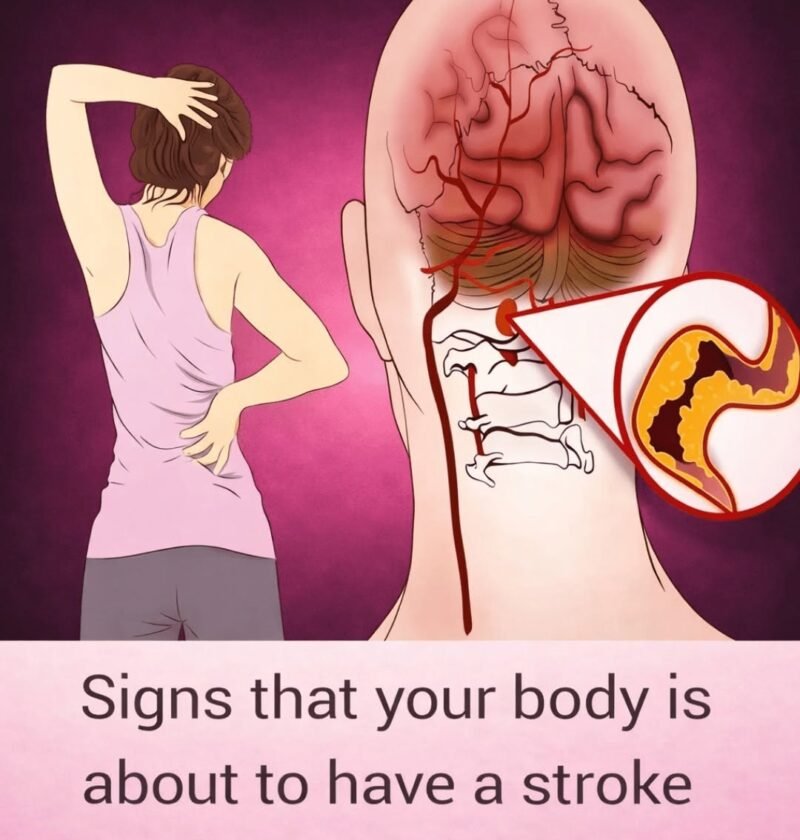
Recognizing a stroke early is critical. When a stroke occurs, every minute matters—prompt medical treatment can save lives and drastically reduce long-term disability.
The most widely recognized and easiest tool for remembering the primary signs of a stroke is the acronym FAST. However, strokes can present with a variety of neurological warning signs depending on which part of the brain is affected.
Here are 10 important early warning signs of a stroke that everyone should know:
The FAST Signs (The Most Common Indicators)
-
Face Drooping
-
What it looks like: One side of the face may droop or feel numb. If the person smiles, the smile is often uneven or lopsided.
-
-
Arm Weakness
-
What it looks like: One arm feels weak, heavy, or numb. If the person tries to raise both arms, one may drift downward or they may be unable to lift it at all.
-
-
Speech Difficulty
-
What it looks like: Speech may become slurred, words may be garbled, or the person may have sudden difficulty speaking or understanding simple sentences. (You can test this by asking them to repeat a simple phrase, like “The sky is blue.”)
-
-
Time to Call Emergency Services
-
The action: If you observe any of these signs—even if they go away—call emergency services immediately. Note the exact time the symptoms first appeared, as this helps doctors determine the best treatment options.
-
Additional Warning Signs
-
Sudden Confusion or Trouble Comprehending
-
What it feels/looks like: Sudden mental fog, disorientation, trouble understanding speech, or an inability to process what people are saying.
-
-
Sudden Trouble Seeing in One or Both Eyes
-
What it looks like: Blurred vision, sudden double vision, or a partial-to-complete loss of vision in one or both eyes that comes on rapidly.
-
-
Sudden Trouble Walking, Dizziness, or Loss of Balance
-
What it looks like: A sudden, unexplained loss of balance, unsteadiness, stumbling, or a feeling of severe dizziness (vertigo) combined with a lack of coordination.
-
-
Sudden, Severe Headache with No Known Cause
-
What it feels like: A blinding, intensely painful “thunderclap” headache that hits out of nowhere, often described as the worst headache of the person’s life. This is particularly common in hemorrhagic strokes (bleeding in the brain).
-
-
Sudden Numbness or Tingling on One Side of the Body
-
What it looks like: A sudden loss of sensation, “pins and needles,” or numbness affecting the face, arm, or leg, typically confined to one entire side (left or right) of the body.
-
-
Sudden Weakness or Paralysis of a Limb or Side
-
What it looks like: Beyond just a weak grip, an entire leg or arm may suddenly feel heavy, dead weight, or entirely paralyzed.
-