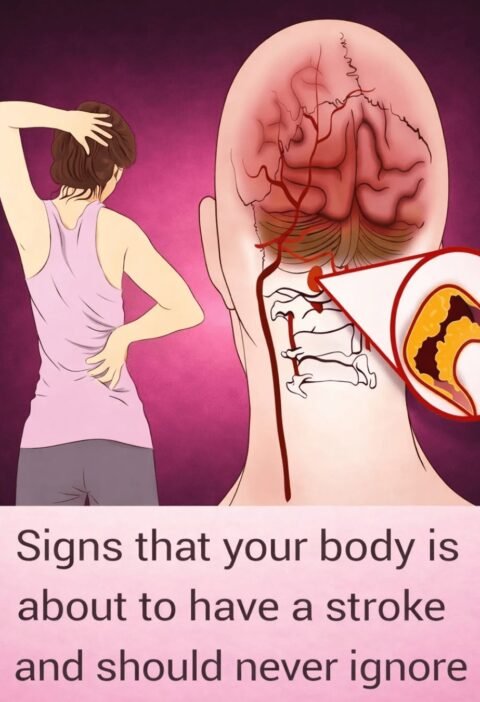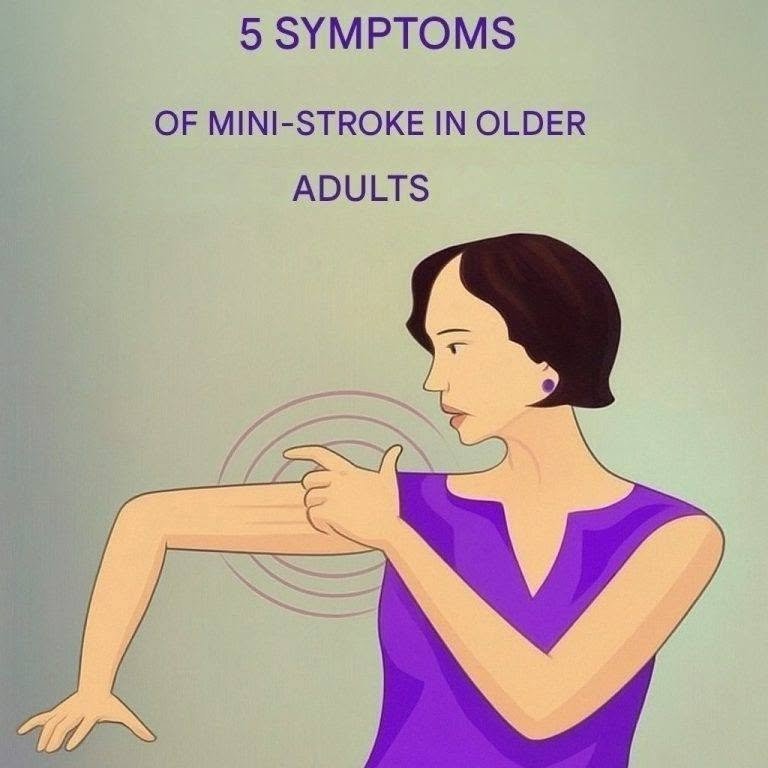
A mini-stroke—medically known as a Transient Ischemic Attack (TIA)—occurs when blood flow to a part of the brain is briefly blocked. Unlike a major stroke, the blockage is temporary, and symptoms typically resolve within a few minutes to an hour without causing permanent damage.
However, a TIA is a critical warning sign. Having a mini-stroke is one of the strongest predictors of a full-blown stroke in the near future. In seniors, symptoms are sometimes mistakenly written off as “normal aging,” fatigue, or arthritis.
Here are 5 key symptoms of a mini-stroke in seniors that should never be ignored:
1. Sudden, Temporary Weakness or Numbness (Usually on One Side)
-
What it looks like: A senior might suddenly drop an item from one hand, feel one leg become heavy or unresponsive, or experience a sudden “pins and needles” numbness down an entire arm or leg.
-
Why it’s missed: It is easy to attribute single-limb weakness to arthritis, a pinched nerve, or general joint stiffness in older adults.
2. Sudden Slurred Speech or Trouble Finding Words
-
What it looks like: The person’s speech may abruptly become garbled, thick, or slurred, or they may struggle to understand what is being said to them. They might pause mid-sentence, unable to retrieve common words.
-
Why it’s missed: Family members might assume the senior is just tired, confused from waking up from a nap, or experiencing early cognitive decline.
3. Sudden Vision Changes in One or Both Eyes
-
What it looks like: A rapid onset of blurred vision, double vision, or a temporary shadow/darkness passing over one eye (sometimes described as a shade pulling down).
-
Why it’s missed: Vision fluctuations are common with cataracts or changing eyeglass prescriptions, causing people to ignore or wait out sudden visual deficits.
4. Sudden Loss of Balance, Dizziness, or Unsteadiness
-
What it looks like: The senior may suddenly stumble, lean heavily to one side, or feel a violent spinning sensation (vertigo) accompanied by a complete lack of coordination.
-
Why it’s missed: Balance issues and dizziness are frequently blamed on inner ear problems, dehydration, low blood pressure, or medication side effects in older adults.
5. Sudden Confusion or Disorientation
-
What it looks like: An abrupt change in mental state where the senior becomes confused about where they are, what time it is, or who is around them, despite being completely lucid moments prior.
-
Why it’s missed: These symptoms are sometimes wrongly dismissed as a sudden episode of dementia or delirium.
Why Immediate Action is Vital
Treat a TIA as a Medical Emergency: Because TIA symptoms disappear on their own, many people assume the danger has passed and choose to “wait and see.” This is a dangerous mistake. Up to half of all people who have a major stroke experience a TIA beforehand—often within days or weeks.
If a senior experiences any of these sudden symptoms—even if they vanish entirely within five minutes—call emergency services immediately. An immediate neurological evaluation can uncover the underlying cause and help prevent a permanent, life-threatening stroke.