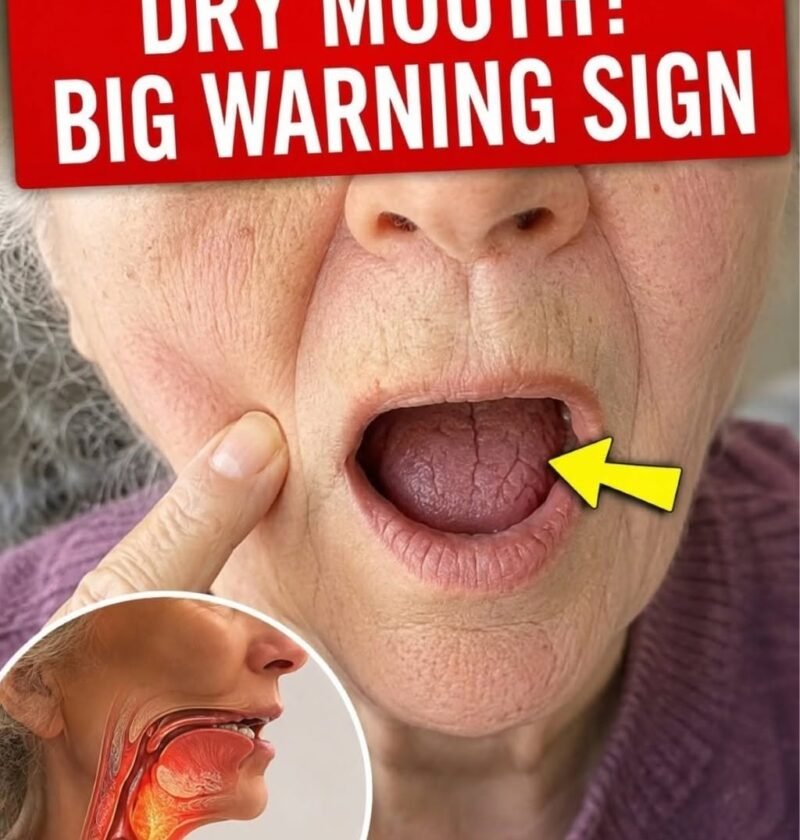
While it is true that dry mouth (medically known as xerostomia) becomes more common as people get older, it is not an inevitable or normal part of aging.
When your mouth feels perpetually dry, it means the salivary glands have slowed down or stopped producing enough saliva. Far from just being an uncomfortable nuisance, saliva is a critical biological fluid that protects your teeth, aids digestion, and keeps oral tissues healthy.
Why Saliva Shuts Down: Common Causes
Salivary hypofunction (decreased saliva production) is usually triggered by specific underlying factors rather than the calendar years:
-
Medications (The #1 Culprit):
-
Hundreds of commonly prescribed and over-the-counter medications list dry mouth as a side effect. This includes blood pressure medications (like diuretics and beta-blockers), antihistamines, antidepressants, decongestants, and anxiety drugs.
-
-
Medical Conditions and Autoimmune Diseases:
-
Conditions like Sjögren’s syndrome (an autoimmune disorder where the immune system attacks moisture-producing glands), diabetes, thyroid disorders, and nerve damage to the head and neck can significantly impair salivary flow.
-
-
Dehydration and Lifestyle Factors:
-
Chronic low-grade dehydration, mouth-breathing (often due to nasal congestion or sleep apnea), smoking or vaping, and heavy alcohol consumption can drastically dry out oral mucosa.
-
-
Cancer Treatments:
-
Radiation therapy to the head and neck, as well as certain chemotherapy drugs, can damage or temporarily shut down the salivary glands.
-
Why Saliva Matters (And What Happens When It Stops)
Saliva does much more than keep your mouth wet. When saliva production drops, it compromises several protective mechanisms:
-
Tooth Decay Protection: Saliva washes away food particles, neutralizes acids produced by bacteria, and contains minerals like calcium and phosphate that remineralize tooth enamel. Without it, the risk of rapid, severe cavities skyrockets.
-
Infection Defense: Saliva has natural antimicrobial properties. A dry mouth creates a breeding ground for fungi (such as oral thrush) and bacteria, leading to persistent bad breath, sore gums, and mouth ulcers.
-
Difficulty Eating and Speaking: Saliva lubricates food so you can chew and swallow comfortably. Without it, tasting, chewing, and even talking can become painful and difficult.
What You Can Do About Dry Mouth
Because dry mouth is usually a symptom of something else, addressing the root cause is key:
-
Review Your Medications: If you suspect a prescription drug is drying out your mouth, talk to your doctor. They may be able to adjust the dose, switch you to a different medication, or time when you take it.
-
Stay Hydrated and Stimulate Flow: Sip water throughout the day, chew sugar-free gum, or suck on sugar-free hard candies (especially those containing xylitol) to mechanically stimulate the salivary glands.
-
Use Artificial Saliva and Moisturizers: Over-the-counter mouthwashes, sprays, and gels designed specifically for dry mouth can provide temporary relief and coat the tissues.
-
Protect Your Teeth: Because the risk of decay rises sharply without saliva, maintain rigorous dental hygiene, use high-fluoride toothpastes recommended by your dentist, and schedule more frequent dental check-ups