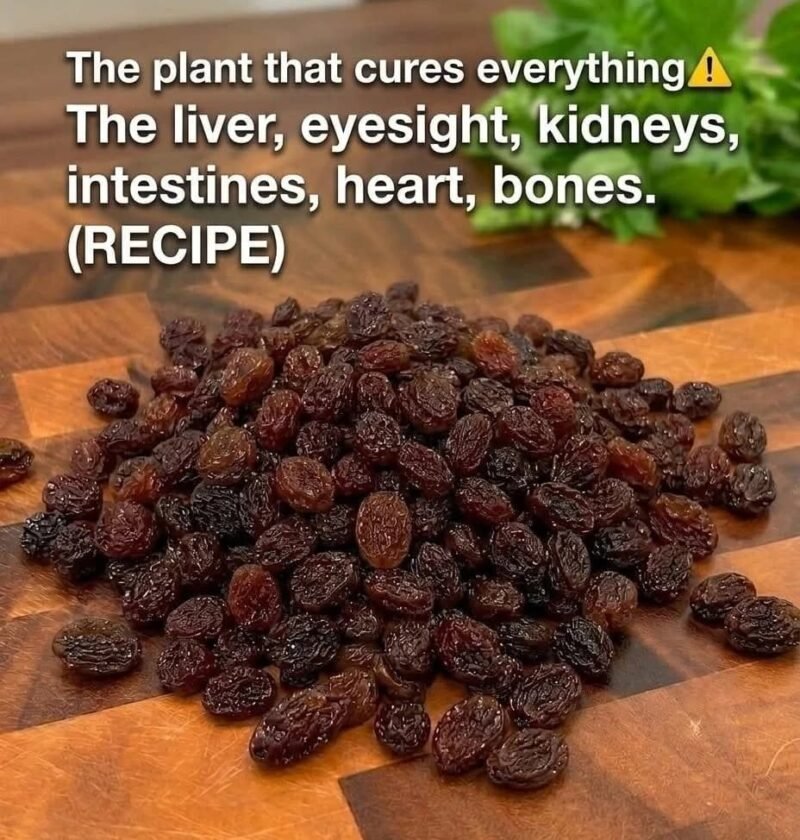
Headlines and viral social media posts frequently promote “miracle plants” or “universal cures” that allegedly heal every organ in the body—from the liver and kidneys to the heart, eyes, and bones.
In reality, no single plant can cure everything.
While nature provides incredible botanicals rich in vitamins, antioxidants, and medicinal properties, human biology is far too complex for any one herb or plant to act as a universal cure-all. Different organs require targeted treatments, specific cellular mechanisms, and sometimes clinical interventions that plants simply cannot provide on their own.
Why “Cure-All” Claims Are Misleading
-
Every Organ Has Unique Biology:
-
The liver relies on metabolic detoxification and regenerative cellular pathways.
-
The kidneys filter blood and manage fluid/electrolyte balance via complex nephron structures.
-
The heart is a muscular pump governed by electrical conduction and vascular dynamics.
-
Treating a disease in one of these systems requires specific pharmacological or physiological mechanisms—a broad-spectrum herb cannot selectively target and reverse distinct pathologies across all of them.
-
-
Confusing Nutritional Support with Medical Cures: Many plants that gain viral fame (such as turmeric, moringa, garlic, or green tea) are genuinely nutrient-dense and offer proven health benefits. However, supporting general wellness, reducing inflammation, or providing antioxidants is very different from curing a disease like chronic kidney disease, hepatitis, or cardiovascular failure.
-
The Risk of Overreliance: Believing that a single plant can cure serious medical conditions can be dangerous if it causes individuals to delay or abandon evidence-based medical treatment.
What Common “Super Plants” Actually Do (Backed by Science)
Rather than curing everything, specific plants have well-researched, targeted benefits:
-
Milk Thistle (Liver Support): Contains silymarin, an antioxidant compound that can help protect liver cells from toxins and support tissue recovery, though it does not reverse all liver diseases.
-
Garlic and Turmeric (Inflammation and Circulation): Both contain powerful bioactive compounds (allicin in garlic, curcumin in turmeric) that help manage oxidative stress, support healthy blood pressure, and reduce mild inflammation.
-
Leafy Greens (Eyes, Bones, and Heart): Plants like spinach, kale, and dandelion greens are rich in lutein and zeaxanthin (for eye health), vitamin K and calcium (for bones), and nitrates (for cardiovascular support). They act as fuel for a healthy body, not standalone medicine.
Bottom Line
Plants are wonderful additions to a healthy lifestyle, culinary traditions, and integrative wellness plans, but they are nutritional and supportive tools—not magic bullets. If you are dealing with a health concern affecting your liver, heart, kidneys, or any other organ, relying on a viral “miracle plant” can mask symptoms while allowing an underlying condition to worsen. Always partner with a qualified healthcare provider for proper diagnosis and treatment.