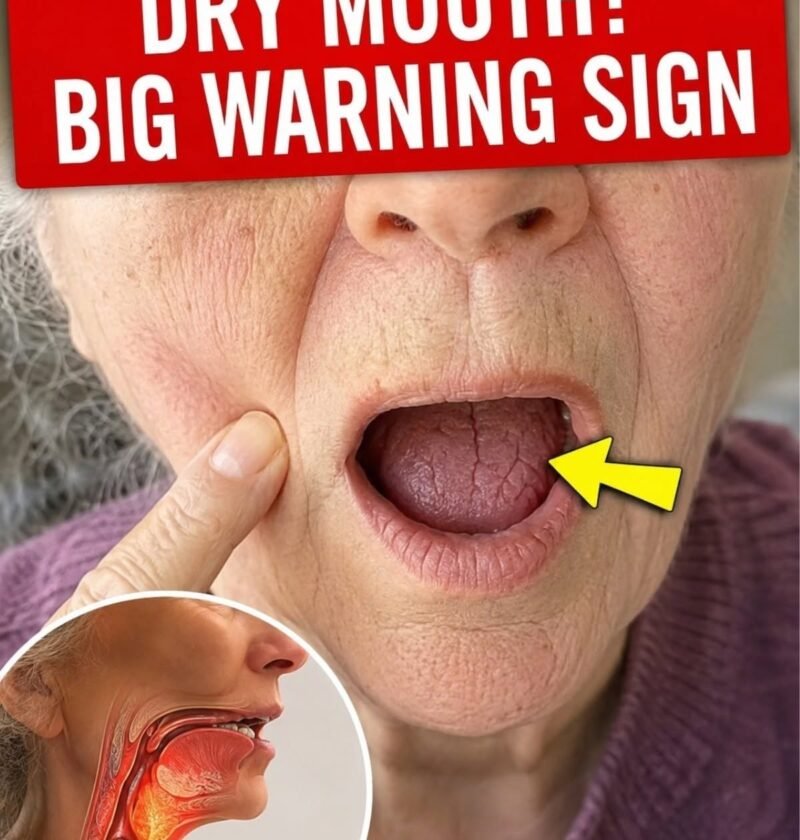
Dry mouth—medically known as xerostomia—is frequently dismissed by older adults and even some clinicians as an inevitable part of getting older. But doctors emphasize that aging itself does not automatically turn off your salivary glands.
Instead, persistent dry mouth is a clear signal that your body’s saliva production is being suppressed, usually by an underlying medication, medical condition, or lifestyle factor.
Why Saliva Matters (And Why Your Mouth Shuts Down)
Saliva is far more than just moisture; it is a complex biological fluid essential for overall health. It contains enzymes to kickstart digestion, minerals to remineralize tooth enamel, and antibodies to fight off oral bacteria.
When your salivary glands slow down or shut off, your mouth loses its primary defense system. Without adequate saliva:
-
The risk of tooth decay and gum disease skyrockets because acids and bacteria are no longer washed away.
-
Eating, swallowing, and speaking become difficult and uncomfortable.
-
The delicate tissues of the mouth become prone to sores, irritation, and fungal infections like thrush.
The Real Culprits Behind Dry Mouth
If aging isn’t the direct cause, what is making your saliva shut down? The most frequent triggers include:
-
Medications (By Far the #1 Cause): Over 400 commonly prescribed and over-the-counter drugs list dry mouth as a side effect. This includes blood pressure medications (like diuretics and beta-blockers), antihistamines, antidepressants, decongestants, and anxiety medications. Taking multiple medications (polypharmacy) drastically increases the risk.
-
Systemic Health Conditions: Diseases that affect moisture-producing glands or the immune system—such as Sjögren’s syndrome, diabetes, rheumatoid arthritis, and thyroid disorders—frequently cause chronic dry mouth.
-
Nerve Damage or Head/Neck Trauma: Because saliva production is controlled by the nervous system, any injury, surgery, or radiation therapy to the head and neck can damage the nerves that signal the glands to produce saliva.
-
Lifestyle Habits: Mouth breathing (often caused by sleep apnea or nasal congestion), chronic dehydration, smoking, and heavy alcohol use all dry out the oral mucosa.
How to Protect Your Mouth and Stimulate Saliva
If you are dealing with chronic dry mouth, addressing the root cause is essential. Here are steps you and your doctor can take:
-
Review Your Medications: Never stop taking prescribed drugs on your own, but do ask your doctor or pharmacist to review your medications. Sometimes switching to a different drug or adjusting the dosage can dramatically improve symptoms.
-
Stimulate Saliva Naturally: Chew sugar-free gum or suck on sugar-free hard candies (especially those containing xylitol) to mechanically stimulate your salivary glands.
-
Stay Relentlessly Hydrated: Sip water constantly throughout the day, and keep a glass by your bed at night.
-
Use Artificial Saliva Products: Over-the-counter oral moisturizing sprays, rinses, or gels can temporarily mimic natural saliva and protect your teeth.
-
Prioritize Dental Hygiene: Because dry mouth removes your natural defense against cavities, rigorous brushing with a fluoride toothpaste, daily flossing, and regular dental checkups are non-negotiable.