Chronic kidney disease (CKD) is notoriously a “silent condition” in its early stages, often allowing up to 90% of function to decline before obvious symptoms surface [00:00]. However, paying close attention to subtle physical changes can serve as early warning whispers [00:47].
The 9 Warning Signs of Kidney Decline
Dr. Sean Hashmi breaks down the primary symptoms into internal feelings and visible physical signs:
-
Internal & Systemic Signs:
-
Brain Fog and Cognitive Issues: Mental cloudiness, short-term memory difficulties, and sluggish concentration can stem from circulating toxins affecting neurological function [05:28].
-
Severe Itching: Often striking in moderate-to-stage 4 or 5 kidney disease, stubborn, all-over itching is frequently linked to phosphorus and waste accumulation [05:59].
-
Muscle Cramps and Restless Legs: Disruptions in critical electrolytes like calcium, potassium, and phosphorus trigger painful nighttime cramps and restless leg sensations [06:37].
-
Shortness of Breath: This can result from extra fluid accumulating in the lungs (fluid overload) or reduced oxygen-carrying capacity from anemia [07:11].
-
Nausea, Vomiting, and Loss of Appetite: Advanced uremic toxin buildup can disrupt the digestive system, sometimes causing a strange metallic taste and an aversion to certain foods [07:35].
-
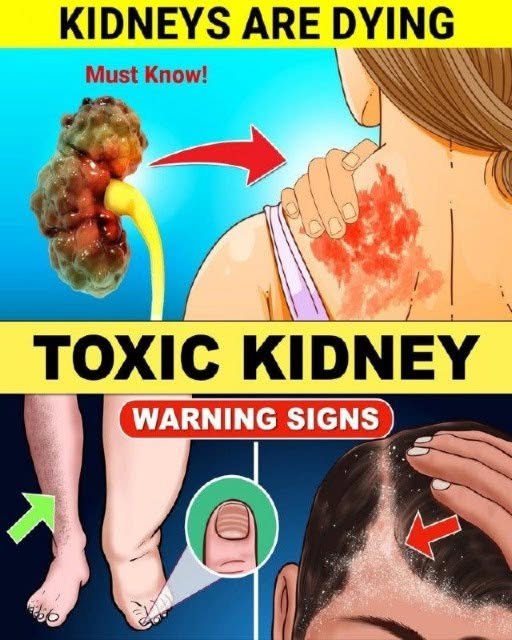
Visible Signs: 7. Swelling (Edema) in Legs, Ankles, and Feet: Because failing kidneys struggle to manage sodium and water, gravity pulls fluid down, making socks leave deep indentations and ankles look puffy by evening [08:14]. 8. Foamy or Bubbly Urine: Persistent, beer-like foam that doesn’t quickly disappear indicates protein leakage (albuminuria) resulting from damaged kidney filters [08:53]. 9. Changes in Urination Patterns: Needing to wake up multiple times at night to urinate (nocturia) or experiencing shifts in volume can occur as kidneys lose their concentrating ability [09:33].
Tests and Early Detection Strategies
Catching kidney stress long before dialysis is necessary relies on proactive routine laboratory screening, particularly for high-risk individuals managing diabetes, hypertension, or obesity [04:06]:
-
Urine Albumin-to-Creatinine Ratio (UACR): A urine evaluation checking for microscopic protein spillage, which can detect filter stress 5 to 10 years before physical symptoms ever manifest [03:38].
If you are monitoring specific symptoms or want guidance on what questions to bring to your next checkup, sharing those details can help narrow down the next steps.