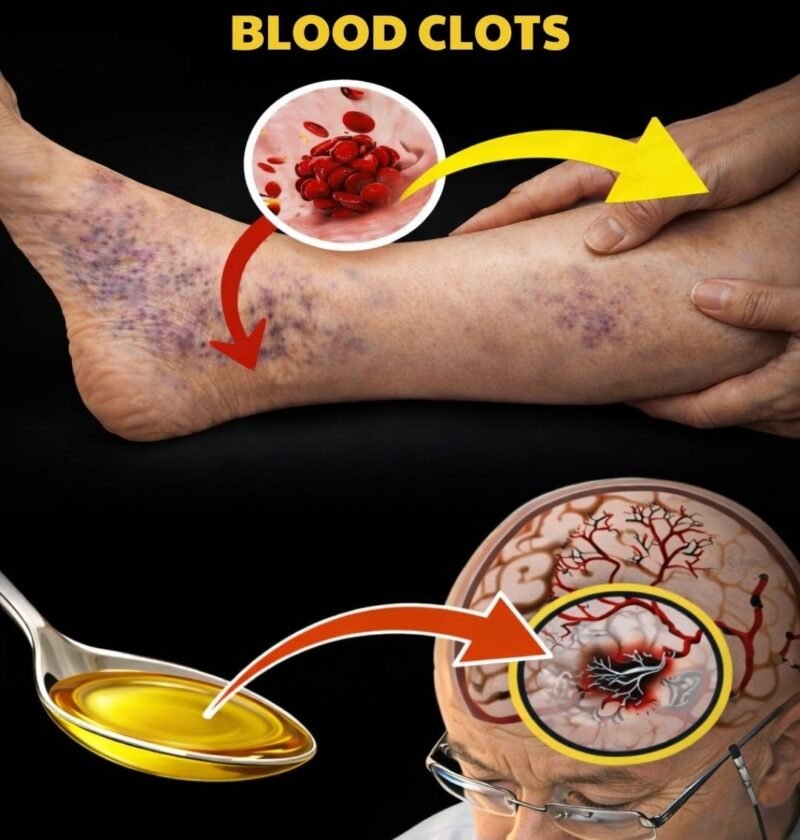
While our bodies have a sophisticated, built-in system to manage blood clotting (preventing us from bleeding too much when injured while keeping blood flowing smoothly through our vessels), certain dietary factors can support healthy circulation and prevent unwanted or excessive platelet aggregation.
Eating a balanced, fruit-rich diet won’t replace blood-thinning medications prescribed by a doctor, but many fruits contain natural compounds, antioxidants, and anti-inflammatory agents that help support healthy blood flow and natural cardiovascular function.
Here are 8 fruits that support your body’s natural circulation and blood flow management:
1. Citrus Fruits (Oranges, Grapefruits, Lemons, and Limes)
-
How they help: Citrus fruits are loaded with vitamin C and a specific group of flavonoids called hesperidin. Research suggests that hesperidin can help strengthen blood vessel walls, reduce systemic inflammation, and improve overall endothelial function, which keeps blood vessels flexible and promotes smooth circulation.
2. Pomegranates
-
How they help: Pomegranates are rich in powerful polyphenols and nitrates, which stimulate the production of nitric oxide in your body. Nitric oxide acts as a vasodilator—meaning it relaxes and widens blood vessels, allowing blood to flow more freely and reducing the physical strain on your cardiovascular system.
3. Dark Berries (Blueberries, Blackberries, and Raspberries)
-
How they help: Packed with anthocyanins and antioxidants, berries help protect the delicate inner lining of your blood vessels from oxidative stress. Healthy, undamaged blood vessel linings naturally discourage abnormal platelet clumping and keep microcirculation running efficiently.
4. Grapes (Especially Red and Purple Grapes)
-
How they help: The skins and seeds of red grapes contain resveratrol and flavonoids that help prevent platelets from sticking together too aggressively. By supporting healthy blood vessel tone and preventing excessive platelet aggregation, red grapes act as a gentle, natural ally for smooth blood flow.
5. Kiwifruit
-
How they help: Clinical studies have shown that consuming kiwifruit regularly can have a beneficial effect on platelet function. Kiwis help inhibit excessive platelet activation without causing adverse bleeding risks, supporting healthy, balanced blood flow.
6. Tomatoes (Technically a Fruit!)
-
How they help: While we usually treat them as a vegetable in the kitchen, tomatoes are scientifically a fruit. They contain lycopene and active compounds found in the gel surrounding tomato seeds that have been shown in human trials to help regulate healthy platelet activity and prevent blood cells from sticking together unnecessarily.
7. Watermelon
-
How they help: Watermelon is one of the richest natural sources of an amino acid called L-citrulline. Once consumed, your body converts L-citrulline into L-arginine, which boosts nitric oxide production. This helps dilate blood vessels, lowers arterial stiffness, and enhances overall cardiovascular circulation.
8. Avocados
-
How they help: Another savory “fruit,” avocados are packed with heart-healthy monounsaturated fats, potassium, and vitamin E. Vitamin E acts as a mild, natural regulator of platelet clumping, while healthy fats help clear out LDL cholesterol, supporting clean, unobstructed blood pathways.
A Crucial Medical Disclaimer on Blood Clotting
If you have been diagnosed with a clotting disorder, deep vein thrombosis (DVT), atrial fibrillation, or are taking prescription blood thinners like warfarin (Coumadin), apixaban (Eliquis), or aspirin, your relationship with food is a bit more nuanced.
-
Foods high in Vitamin K (like leafy greens) can interact with warfarin.
-
Piling up on concentrated fruit extracts or massive doses of natural “blood-thinning” foods while already on pharmaceutical thinners can theoretically increase your risk of bruising or bleeding.
Always talk to your cardiologist or primary care physician before making major dietary overhauls if you are managing a cardiovascular condition.
Are you looking for foods to support your general heart health and circulation, or managing a specific cardiovascular concern?