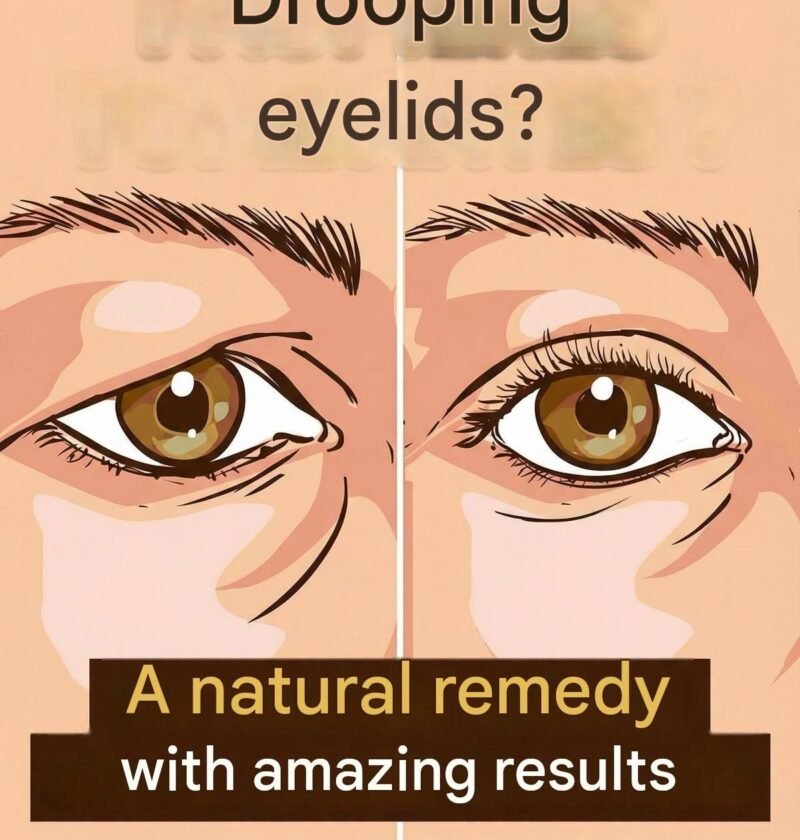
Droopy eyelids—medically known as **ptosis** (when the eyelid muscle weakens or stretches) or **dermatochalasis** (when excess skin hangs over the eyelid crease)—are a very common part of the natural aging process. As we get older, the skin loses elasticity and collagen, and the delicate muscles supporting the eyelids begin to relax.
While natural remedies cannot reverse structural sagging or correct severe ptosis, there are safe ways to improve their appearance and important red flags that mean it’s time to see a doctor.
—
### Natural and Lifestyle Ways to Improve Appearance
If your eyelid drooping is mild and primarily cosmetic, these simple habits and home care strategies can help refresh the eye area:
1. **Targeted Eye Exercises (Face Yoga)**
Some people practice facial exercises to help tone the muscles around the eyes. For instance, you can gently place your index fingers under your eyebrows, lift them upward, and try to blink or close your eyes against that light resistance. While this won’t eliminate excess skin, it can help engage the surrounding orbicularis oculi muscles.
2. **Cold Compresses or Chilled Tea Bags**
If fluid retention or morning puffiness is making your eyelids look heavier, place chilled, damp green tea bags or a cold compress over your closed eyes for 10 minutes. The cold helps constrict blood vessels, reduce swelling, and temporarily tighten the skin’s appearance.
3. **Firming Eye Creams with Active Ingredients**
Look for eye creams containing **peptides, hyaluronic acid, and gentle retinoids** formulated for the delicate eye area. While topical creams cannot lift sagging muscle, they can deeply hydrate, plump fine lines, and temporarily firm the skin’s surface.
4. **Strategic Eye Makeup**
If hooded lids or sagging skin make your eyes look smaller, makeup can create the illusion of lift. Try applying a matte, neutral eyeshadow slightly *above* your natural crease to create depth, keep eyeliner thin along the upper lash line, and give your lashes a good curl with mascara to open up your gaze.
—
### When to See a Doctor
While age-related sagging is typically harmless, drooping eyelids can sometimes indicate an underlying medical condition that requires professional evaluation. **You should schedule an appointment with an optometrist, ophthalmologist, or your primary care doctor if:**
* **It blocks your vision:** The eyelid sags low enough to obstruct your upper or peripheral field of vision, forcing you to tilt your head back to see clearly.
* **It appears suddenly:** A droopy eyelid that develops rapidly over the course of hours or days can be a sign of a neurological issue, nerve compression, or a medical emergency (such as a stroke or aneurysm) and requires immediate medical evaluation.
* **It is accompanied by other symptoms:** Seek medical care right away if the drooping comes with double vision, blurry vision, headaches, pain, or weakness in other parts of your face or body.
* **It affects only one side:** A noticeable, sudden asymmetry should always be checked to rule out nerve or muscle disorders.
If drooping significantly impacts your vision or bothers you from a cosmetic standpoint, a medical professional can discuss options ranging from non-surgical skin tightening to **blepharoplasty** (a common, minor outpatient surgery to remove excess skin and tighten the eyelid muscle).
—
Are you noticing sudden changes in your eyelids, or are you looking for tips on managing mild sagging and choosing eye-care products?