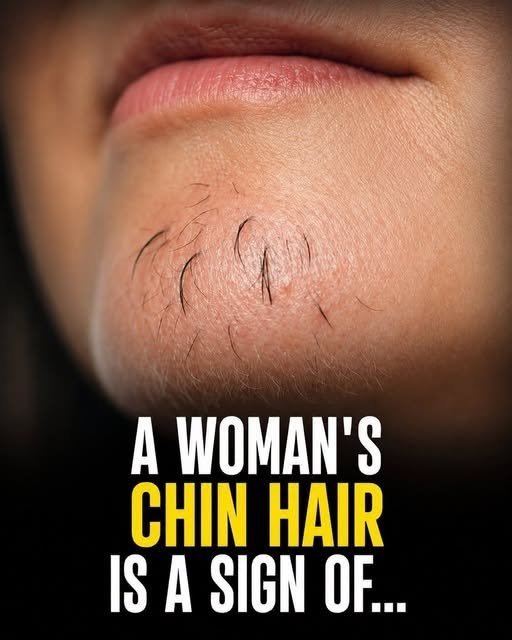
Finding a stray hair or two on your chin can certainly be a surprise, but it is an extremely common experience for women. While it can sometimes feel a bit alarming or frustrating, chin hair is usually just a normal variation of human biology, though occasionally it can signal shifts in your hormones.
Here is what chin hair can indicate:
-
Normal Aging and Hormonal Shifts: As women go through life stages like perimenopause or menopause, estrogen levels naturally drop while androgens (male sex hormones that women also produce in smaller amounts) remain relatively stable. This shift can cause fine vellus hairs (peach fuzz) on the face to coarsen and darken.
-
Polycystic Ovary Syndrome (PCOS): PCOS is a common hormonal disorder that affects how the ovaries work. One of its hallmark symptoms is an excess of androgens, which can lead to increased hair growth on the face, chin, chest, or abdomen (a condition called hirsutism), often accompanied by irregular periods or acne.
-
Genetics and Ethnicity: Just like the hair on your head, body and facial hair patterns are heavily influenced by genetics. Some women naturally have more active hair follicles on their face based on their family background.
-
Other Endocrine Conditions: Less commonly, conditions involving the adrenal glands (like congenital adrenal hyperplasia) can cause elevated hormone levels that trigger facial hair growth.
When to check with a doctor: If chin hair growth appears suddenly, becomes dense or widespread very quickly, or is accompanied by other symptoms like irregular menstrual cycles, sudden weight changes, deepening of the voice, or adult acne, it is a good idea to consult a doctor or gynecologist to check your hormone levels. Otherwise, occasional chin hairs are usually nothing to worry about and can be easily managed with plucking, waxing, shaving, or laser hair removal.
Are you noticing a sudden change in facial hair, or are you looking for the best ways to manage and remove it?