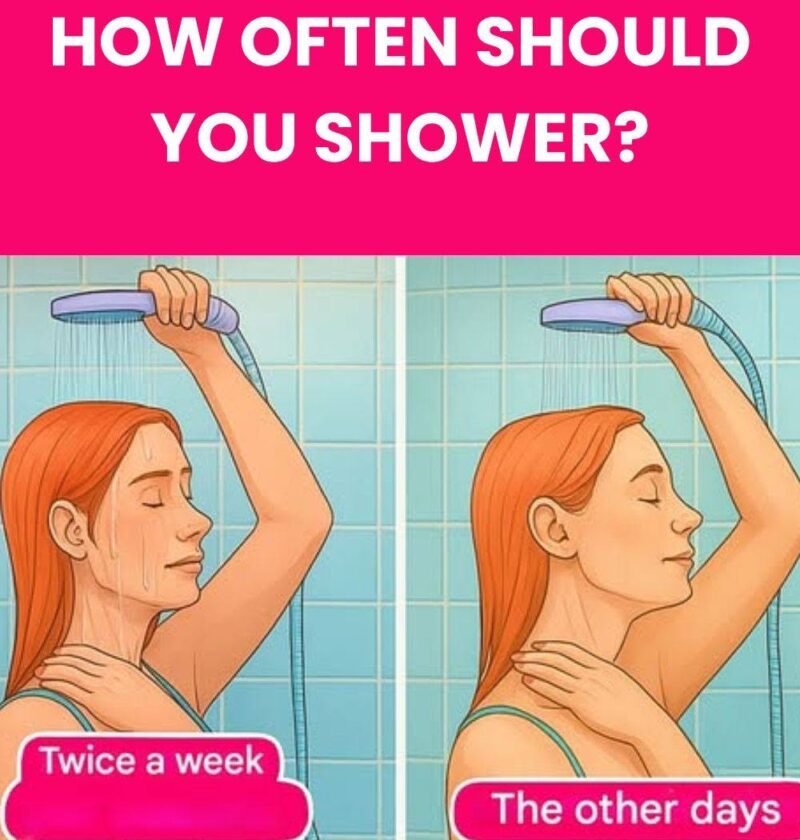
While a hot shower or relaxing bath feels like a great way to unwind, sudden temperature shifts and certain bathroom routines can actually place unexpected stress on your cardiovascular and circulatory systems.
Common shower and bath habits that can negatively impact heart health and circulation include:
### 1. Extreme Water Temperatures (Too Hot or Too Cold)
* **The Risk:** Submerging yourself in or showering with excessively hot water causes your blood vessels to dilate (expand) rapidly, which can lead to a sudden drop in blood pressure. Conversely, very cold water causes blood vessels to constrict sharply, spiking your blood pressure and shocking the system. These abrupt changes force the heart to work much harder to maintain steady circulation, potentially triggering dizziness, fainting, or dangerous heart rhythm irregularities in vulnerable individuals.
### 2. Jumping Into a Hot Shower Immediately After Exercise
* **The Risk:** Right after an intense workout, your blood vessels are naturally dilated to help cool your body down. Hopping straight into a hot shower amplifies this vasodilation, causing a rapid pooling of blood away from your brain and core. This can result in sudden lightheadedness, dizziness, or fainting—which poses a major hazard on slippery bathroom surfaces.
### 3. Taking Long, Steaming Showers or Deep Baths
* **The Risk:** Lingering for a long time in a hot bath or steamy shower redirects a large volume of blood toward your skin. Over time, this reduces blood flow to vital organs like the brain and can place excessive strain on individuals with underlying heart conditions, sometimes leading to heart failure flare-ups or sudden syncopal (fainting) episodes.
### 4. Showering Immediately Upon Waking Up (Without Transitioning)
* **The Risk:** When you first wake up, your body’s circulation is adjusting from a resting state, and blood pressure is often naturally lower. Moving instantly from a cool bedroom into a blistering hot shower can shock the circulatory system, triggering a sharp blood pressure drop that causes lightheadedness or falls.
### 5. Standing Motionless for Extended Periods
* **The Risk:** Standing rigidly still in a warm shower allows gravity to pull blood downward into your lower extremities, reducing the efficient return of blood back up to your heart and brain. This stagnation can easily provoke a drop in blood pressure and make you feel faint.
—
### How to Protect Your Circulation:
* **Keep it lukewarm:** Opt for comfortably warm water (around 37°C to 38°C or 98°F to 100°F) rather than scalding hot or icy cold.
* **Cool down first:** Wait 10 to 15 minutes after a heavy workout before stepping into the shower.
* **Pace your morning:** Give your body a few minutes to adjust after waking up before heading straight into a harsh temperature transition.
* **Keep baths and showers brief:** Limit your time under high heat to 10–15 minutes.
*Do you or someone you’re asking for have a history of heart conditions, high blood pressure, or dizziness spells while bathing? Sharing any specific symptoms can help me provide more tailored guidance.*