Crucial Warning: Do Not Attempt to Remove Tartar at Home
While it is tempting to try to keep your teeth sparkling clean between dental visits, you cannot and should not attempt to remove tartar (calculus) at home.
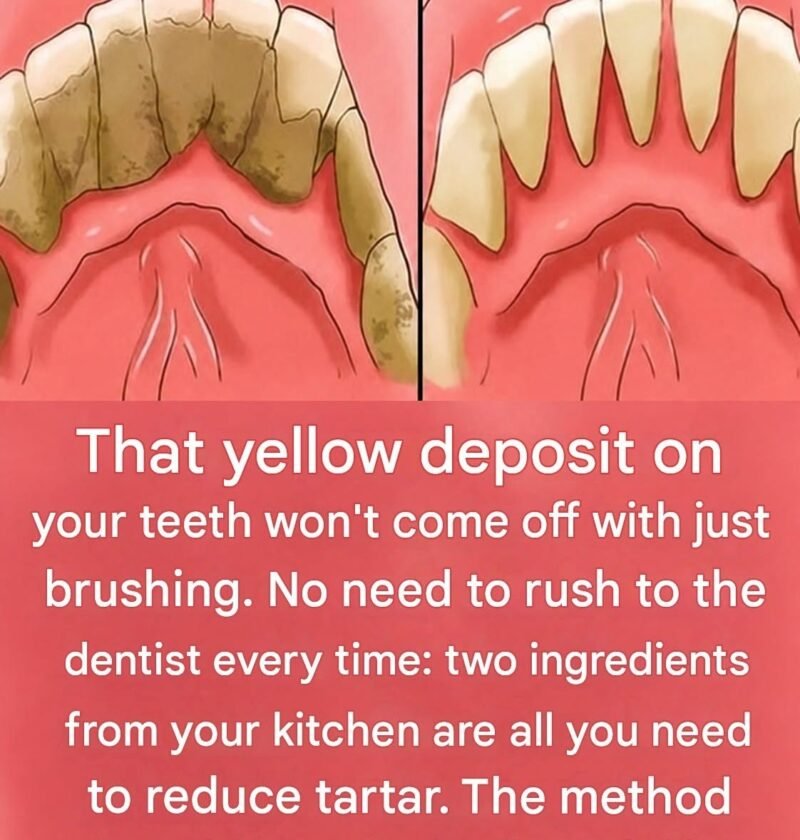
Once dental plaque—the sticky film of bacteria that forms on your teeth every day—mixes with the minerals in your saliva, it hardens into tartar. Unlike soft plaque, tartar bonds chemically and aggressively to your tooth enamel.
Why DIY Tartar Removal Is Dangerous
Trying to scrape, pick, or scale tartar off your teeth using metal tools, sewing needles, hairpins, or viral DIY “dental kits” bought online poses serious risks to your oral health:
-
Permanent Enamel Damage: Scraping with hard, uncalibrated instruments scratches and wears away your protective tooth enamel, making your teeth permanently vulnerable to decay, sensitivity, and staining.
-
Gum Trauma and Recession: Slipping with a sharp pick can easily puncture, tear, or severely lacerate your delicate gum tissue, leading to bleeding, infection, and permanent gum recession (which exposes your tooth roots).
-
Root Exposure and Chronic Pain: Damaging the gumline or wearing away enamel near the roots exposes the dentin and nerves beneath, triggering severe, chronic sensitivity to hot, cold, and sweets.
-
Pushing Bacteria Deeper: Improper scraping often forces plaque and bacteria deeper underneath your gumline, initiating or worsening periodontal (gum) disease.
How Dentists Safely Remove Tartar
Professional dental hygienists and dentists use specialized ultrasonic scalers (which vibrate at high frequencies to shatter calculus deposits) and fine hand instruments (curettes) specifically designed to remove hardened buildup without harming the underlying tooth structure. This requires specialized lighting, mirrors, clinical training, and professional precision.
How to Effectively Prevent Tartar Buildup
While you cannot remove existing tartar yourself, you have total control over preventing new tartar from forming through a strong daily hygiene routine:
-
Brush Twice Daily for Two Minutes: Use a soft-bristled toothbrush (electric toothbrushes are especially effective at breaking up stubborn plaque before it hardens) and a fluoride toothpaste.
-
Floss Daily: Plaque accumulates tightly in the tight spaces between your teeth where toothbrush bristles cannot reach. Daily flossing stops interdental plaque from turning into tartar.
-
Use Tartar-Control Products: Consider using a toothpaste or mouthwash specifically formulated with ingredients like pyrophosphates or zinc citrate to help inhibit plaque from hardening into tartar.
-
Stay Hydrated: Drinking plenty of water maintains a healthy flow of saliva, which naturally washes away food debris and neutralizes plaque-forming acids.
If it has been more than six months since your last professional cleaning, scheduling a visit with your dentist or dental hygienist is the only safe and effective way to clear away hardened tartar.
When was your last professional dental check-up or cleaning?