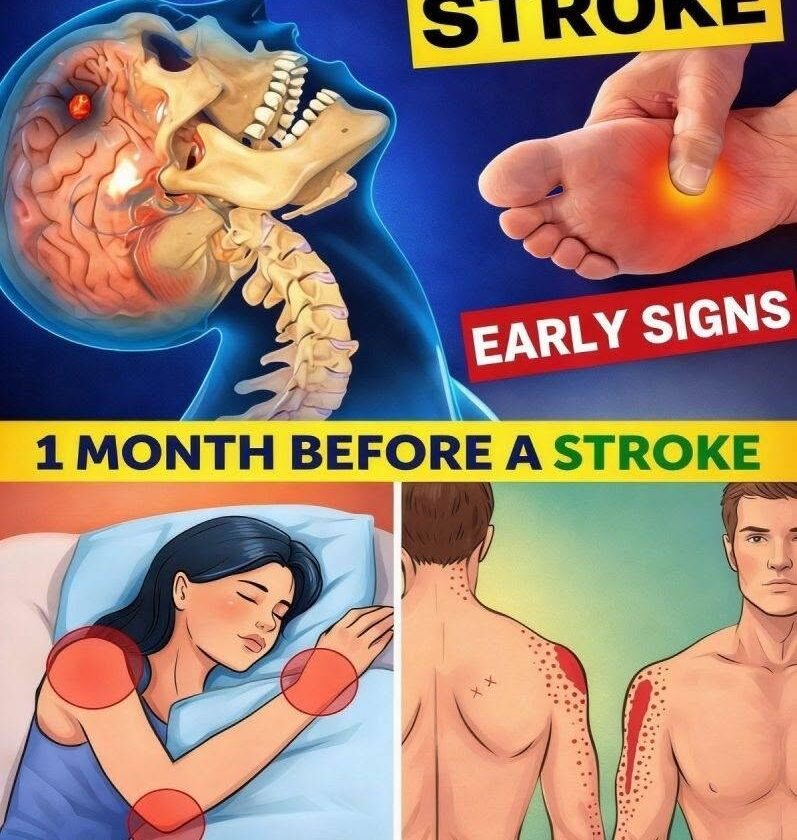
8 “Warning Signs” of Stroke — and 9 Ways to Lower Your Risk
The claim that your body reliably gives 8 warning signs exactly one month before a stroke is misleading. Most strokes occur suddenly. However, a transient ischemic attack (TIA) can cause temporary stroke-like symptoms and is an important warning that requires urgent medical evaluation. (CDC)
🚨 8 symptoms you should never ignore
These can occur suddenly during a stroke or TIA:
- Face drooping, especially on one side
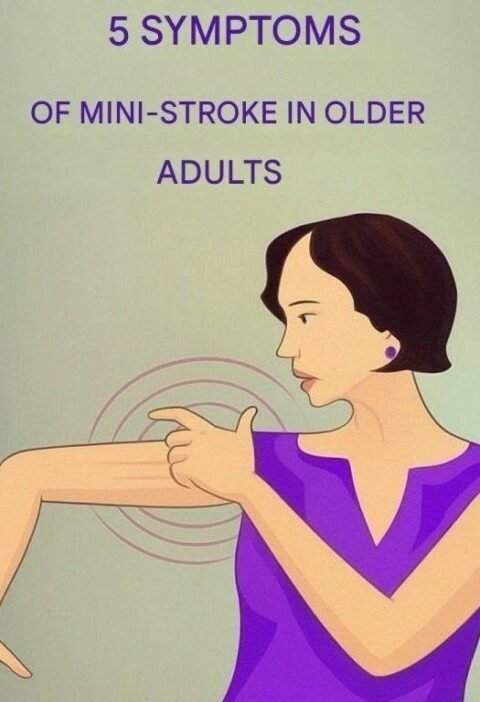
- Weakness or numbness in an arm or leg, particularly on one side
- Slurred or unusual speech
- Difficulty understanding speech
- Sudden vision changes or loss of vision
- Sudden dizziness or loss of balance
- Sudden difficulty walking or coordinating movements
- A sudden, severe headache with no obvious cause
Don’t wait for these symptoms to disappear. A TIA can resolve, but it still requires urgent assessment because it can precede a major stroke. (CDC)
🛡️ 9 ways to reduce your stroke risk
- Keep your blood pressure under control — high blood pressure is a major stroke risk factor.
- Don’t smoke or use tobacco.
- Exercise regularly and avoid prolonged inactivity.
- Eat a heart-healthy diet rich in vegetables, fruits, whole grains, fiber, and healthier fats.
- Limit excess salt, particularly if you have high blood pressure.
- Maintain a healthy weight if possible.
- Control diabetes and blood sugar.
- Have your cholesterol checked and treated when necessary.
- Limit excessive alcohol consumption and follow your doctor’s treatment plan for conditions such as atrial fibrillation or heart disease. (CDC)
Remember: BE FAST
B — Balance problems
E — Eye/vision changes
F — Face drooping
A — Arm weakness
S — Speech difficulty
T — Time to seek emergency help
If these symptoms are happening now, don’t wait for a “warning period” or try home remedies. Seek emergency medical care immediately. Stroke treatment is highly time-sensitive. (CDC)