…most likely experiencing one of a few completely normal physiological traits, though it can occasionally point to underlying health or circulatory factors.
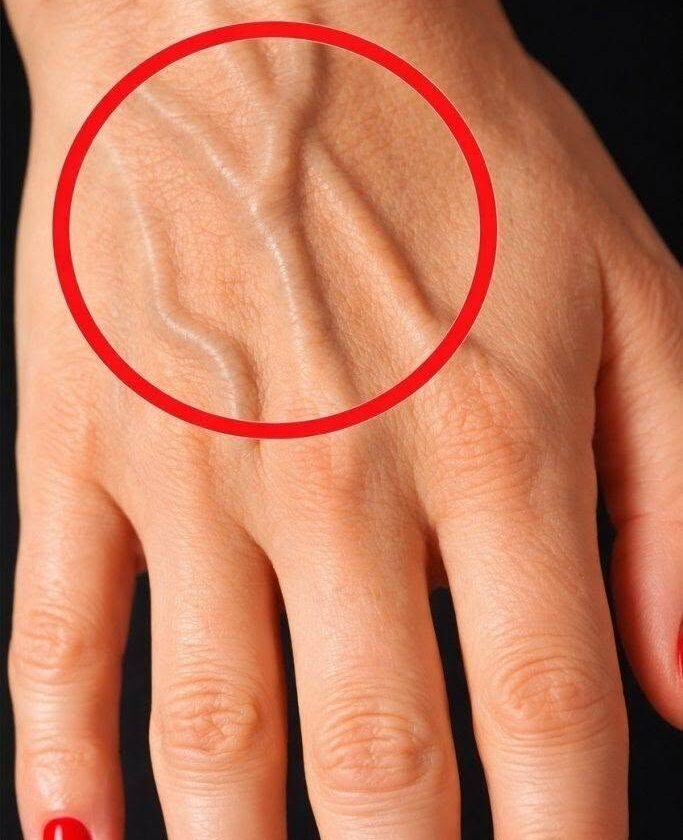
Seeing your veins through your skin is very common, and the reason usually comes down to simple biology and physical anatomy. Here is what visible veins typically mean:
1. You Have Low Body Fat and Thin Skin
-
The Reason: Fat acts as a natural insulating layer beneath the skin. If you have a lower percentage of body fat, your skin lies closer to your blood vessels, making them much more prominent. Similarly, as people age, skin naturally thins and loses elasticity, which can make veins appear more visible—especially on the hands, arms, and legs.
2. Genetics and Skin Tone
-
The Reason: Fair or translucent skin naturally shows underlying blue and green vein colors much more clearly than darker skin tones. Furthermore, vein visibility is largely genetic; if your parents have visible veins, you likely inherited that physical trait.
3. High Blood Pressure, Heat, or Exercise
-
The Reason: When you work out, your body generates heat, causing your blood vessels to dilate (widen) and push closer to the skin’s surface to help cool you down. Similarly, temporary spikes in blood pressure or hot weather can cause veins to bulge and become more noticeable.
4. Pregnancy and Hormonal Shifts
-
The Reason: During pregnancy, a woman’s blood volume increases dramatically to support the fetus, and hormone changes relax blood vessel walls. This combination often makes veins much more visible across the chest, breasts, and legs.
5. When It Might Mean Something More: Varicose Veins
-
The Reason: If your veins are not just visible, but twisted, bulging, raised, or dark purple/blue, and you experience aching, heaviness, or swelling in your legs, it could be a sign of varicose veins. This happens when tiny one-way valves inside the veins weaken, causing blood to pool rather than flow smoothly back to the heart.
When to Consult a Doctor: If visible veins are accompanied by persistent leg pain, swelling, skin discoloration, or sores, it’s a good idea to speak with a doctor or a vascular specialist to check your circulation. Otherwise, if they’ve always looked like that and don’t hurt, it’s usually just your unique anatomy!
Do you notice visible veins all over, or are they concentrated in a specific area like your hands or legs?