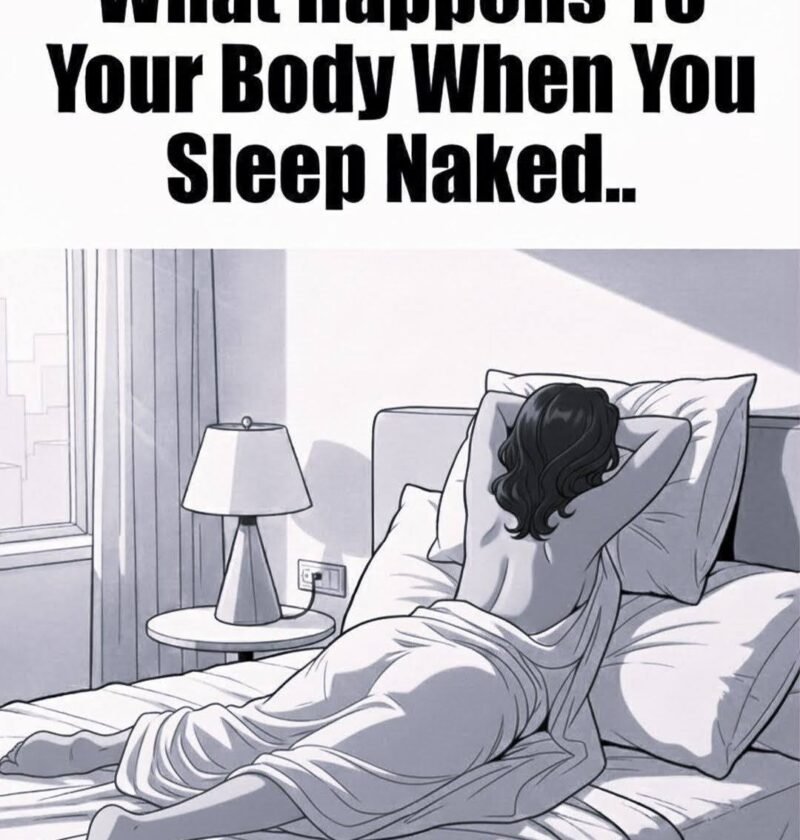
When lifestyle articles and wellness blogs publish headlines about the “scientific reasons why it’s healthier to sleep naked,” they often dress up a simple, comfortable personal preference in dramatic medical claims. While shedding your pajamas won’t miraculously cure disease or act as a fountain of youth, stripping down at bedtime does tap into some fascinating principles of human thermoregulation and skin health.
To separate wellness hype from clinical reality, let’s look at what science actually says about sleeping without clothes, along with a few genuine physiological benefits:
The Core Science: Thermoregulation and Sleep
The primary scientific argument for sleeping naked revolves around your body’s internal thermostat—your circadian core body temperature rhythm.
-
The Natural Temperature Drop:
-
As part of your biological sleep cycle, your core body temperature naturally begins to drop in the evening, reaching its lowest point around dawn. This thermal drop is one of the key chemical signals your brain uses to trigger the release of melatonin and transition into deep, restorative slow-wave sleep.
-
-
Preventing Overheating:
-
If you wear heavy pajamas, synthetic sleepwear, or use overly warm blankets, your skin cannot effectively dissipate heat. Trapped body heat can keep your core temperature elevated, leading to restlessness, nighttime micro-awakenings, and a reduction in rapid eye movement (REM) sleep. Sleeping naked removes a layer of insulation, helping your body shed heat naturally and maintain an optimal microclimate.
-
Other Potential Health Benefits
Beyond temperature control, sleeping naked offers a few practical perks for skin and comfort:
-
Skin Breathability and Moisture Control:
-
Tight-fitting pajamas made of non-breathable synthetic fabrics (like polyester) can trap sweat, friction, and moisture against the skin. For individuals prone to skin irritations, body acne (bacne), or fungal conditions (like tinea versicolor), allowing the skin to “breathe” in loose or no clothing helps reduce trapped humidity.
-
-
Support for Vaginal and Reproductive Health:
-
Gynecologists often note that trapping moisture and heat in the pelvic region can encourage the overgrowth of yeast or bacteria (such as bacterial vaginosis). Sleeping naked—or in loose, breathable cotton underwear—allows air circulation that helps keep the area dry and balanced.
-
What Sleeping Naked Doesn’t Do
While the benefits above are real, it is important to keep expectations grounded. Sleeping naked:
-
Will not cause massive weight loss on its own (though better sleep quality indirectly supports healthy metabolism and hormone regulation like ghrelin and leptin).
-
Will not cure chronic insomnia caused by stress, sleep apnea, or underlying medical disorders.
-
Is a matter of pure personal preference: If you live in a drafty climate, feel more secure and cozy in flannel pajamas, or simply prefer wearing clothes to bed, your sleep quality won’t suffer just because you have fabric on.
The Bottom Line
If you enjoy the liberating, cool feeling of sleeping naked, science backs it up as a great way to help your body regulate its temperature and stay comfortable through the night. If you prefer pajamas, that is entirely fine too—the ultimate goal is simply finding the environment that helps you sleep soundly.
Do you naturally lean toward sleeping cooler, or are you looking for ways to improve your overall sleep environment?