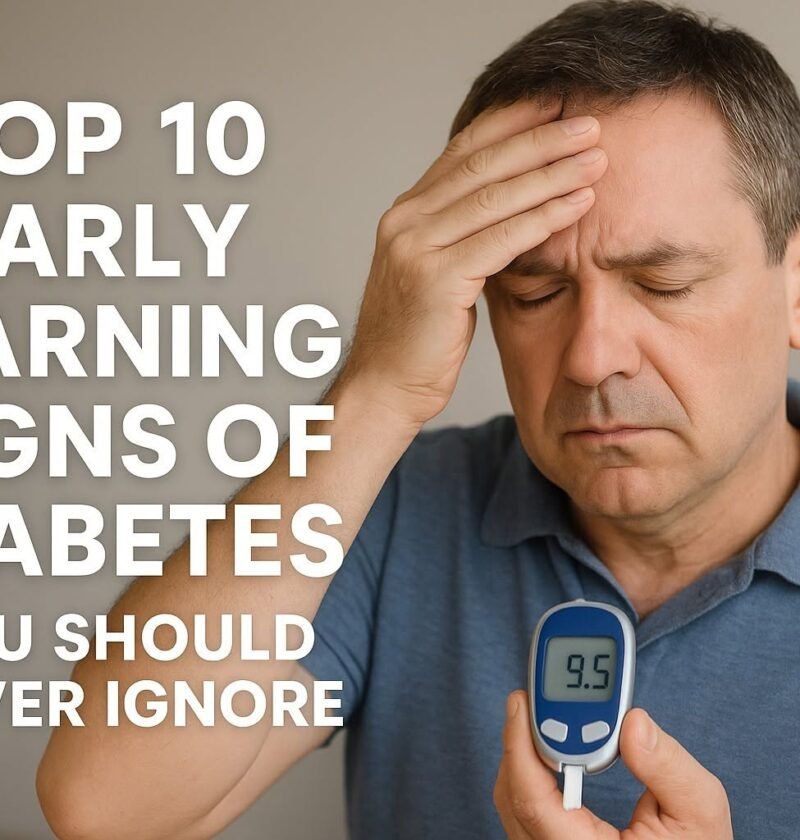
Recognizing the early warning signs of diabetes is critical, as catching insulin resistance, prediabetes, or early Type 2 diabetes early can entirely prevent long-term complications like nerve damage, kidney disease, and vision loss.
Many early symptoms develop so gradually that people write them off as normal fatigue or aging. Here are the 10 early warning signs of diabetes you should never ignore:
1. Frequent Urination (Polyuria)
-
What happens: When excess glucose (sugar) builds up in your bloodstream, your kidneys have to work overtime to filter and absorb it. When they can’t keep up, the excess sugar is excreted into your urine, dragging fluids along with it.
-
Why it matters: If you find yourself waking up multiple times during the night to use the bathroom or needing to go much more frequently during the day, it is a classic physiological sign of high blood sugar.
2. Excessive Thirst (Polydipsia)
-
What happens: Because your body is constantly flushing out fluids through frequent urination, you quickly become dehydrated.
-
Why it matters: This triggers an intense, unquenchable thirst. If drinking water doesn’t seem to satisfy your dry mouth and you constantly feel parched, your body is signaling a fluid imbalance driven by elevated glucose.
3. Unexplained, Rapid Weight Loss
-
What happens: Insulin is the key that unlocks your body’s cells to let glucose in for energy. If your body doesn’t make enough insulin or becomes resistant to it, your cells can’t get the fuel they need.
-
Why it matters: Starved of glucose, your body begins frantically breaking down muscle tissue and stored fat for energy instead. Dropping 10 to 20 pounds rapidly without changing your diet or exercise routine is a major red flag.
4. Constant, Overwhelming Fatigue
-
What happens: When glucose cannot enter your cells effectively to be converted into energy, your body’s metabolic engines run on empty.
-
Why it matters: Even if you sleep 8 hours a night, you may feel profoundly exhausted, sluggish, or wiped out during the day because your cellular energy production is impaired.
5. Blurry Vision
-
What happens: Fluctuating glucose levels cause fluid to shift in and out of the tissues of your body—including the lenses in your eyes.
-
Why it matters: This sudden fluid shift swells or distorts the lens, making it temporarily unable to focus properly. Blurry vision that comes and goes, or difficulty reading signs or screens, is frequently one of the very first signs people notice.
6. Slow-Healing Cuts, Sores, or Frequent Infections
-
What happens: Chronically high blood sugar impairs white blood cell function (the immune system’s frontline defenders) and damages tiny blood vessels, restricting proper blood flow and nutrient delivery to the skin.
-
Why it matters: Cuts, scrapes, or bruises that take weeks to heal, or recurring yeast infections, urinary tract infections, and stubborn skin boils, indicate that the body’s natural defense and repair systems are compromised by sugar.
7. Tingling, Numbness, or Pain in Hands and Feet (Neuropathy)
-
What happens: Excessively high glucose levels over time begin to damage the delicate peripheral nerves throughout the body.
-
Why it matters: You might notice a strange prickling sensation, a “pins and needles” feeling, numbness, or sharp shooting pains in your fingers, toes, hands, or feet.
8. Increased Hunger, Especially After Eating (Polyphagia)
-
What happens: Because the glucose from your food is trapped in your bloodstream rather than entering your cells, your brain receives continuous “starvation” signals.
-
Why it matters: Even right after eating a substantial meal, you may feel an intense, driving hunger because your cells haven’t actually received the nourishment they need.
9. Darkened Skin Patches (Acanthosis Nigricans)
-
What happens: Very high levels of insulin in the bloodstream can trigger skin cells to multiply rapidly.
-
Why it matters: This often manifests as thick, velvety, darkly pigmented patches of skin, most commonly found in body folds and creases like the back of the neck, armpits, elbows, or knuckles. It is a visible marker of underlying insulin resistance.
10. Frequent Mood Changes and Irritability
-
What happens: Blood sugar spikes and crashes heavily impact brain chemistry and energy stability.
-
Why it matters: When glucose levels fluctuate wildly, it can manifest as sudden irritability, mood swings, anxiety, or a feeling of brain fog that makes it hard to concentrate on daily tasks.
When to See a Doctor
If you are experiencing a cluster of these symptoms, do not wait. A simple, inexpensive blood test—such as a Fasting Blood Glucose test or an A1C test (which measures your average blood sugar over the past three months)—can immediately tell a doctor whether you are dealing with prediabetes or diabetes. Catching it early gives you the power to reverse or manage it before it causes long-term damage.