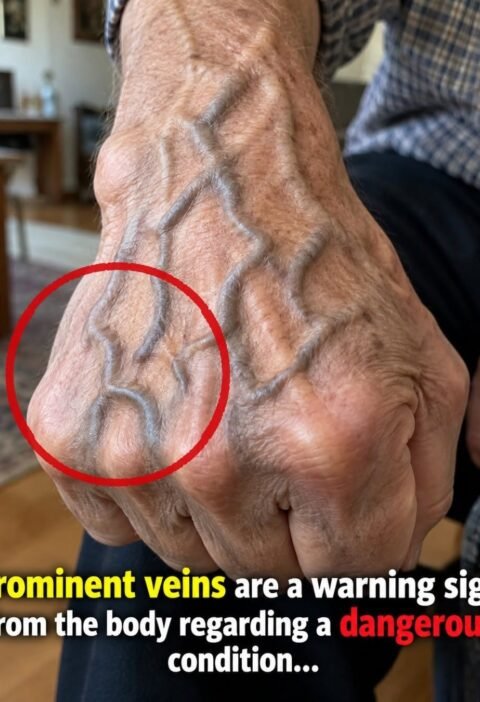
Sarcopenia is the progressive, generalized loss of skeletal muscle mass, strength, and function that naturally occurs with aging. While it is most commonly associated with older adults, muscle loss can actually begin as early as our 30s or 40s if lifestyle factors accelerate the process.
Primary Causes of Sarcopenia
-
Age-Related Biological Changes: As we age, the body undergoes hormonal shifts (such as declines in growth hormone, testosterone, and estrogen) and experiences a decrease in the number and sensitivity of nerve cells that signal muscles to move.
-
Physical Inactivity: “Use it or lose it” is the golden rule of muscle tissue. Sedentary lifestyles—whether due to desk jobs, prolonged bed rest, or retirement—speed up muscle atrophy significantly faster than chronological aging alone.
-
Inadequate Protein Intake: Older adults often consume less protein, or have bodies that are less efficient at processing protein to build and repair muscle tissue (a concept known as anabolic resistance).
-
Chronic Inflammation and Disease: Persistent, low-grade systemic inflammation (sometimes called “inflammaging”) as well as chronic conditions like heart failure, kidney disease, Type 2 diabetes, and rheumatoid arthritis can disrupt the balance between muscle protein synthesis and breakdown.
-
Nutritional Deficiencies: Low levels of vitamin D and overall micronutrient deficiencies can impair muscle function and strength.
Effective Solutions to Prevent and Reverse Muscle Loss
Fortunately, sarcopenia is not an inevitable or permanent sentence. Even in advanced age, muscle tissue remains remarkably responsive to lifestyle interventions:
-
Progressive Resistance Training (PRT): Lifting weights, using resistance bands, or doing bodyweight exercises (like squats and wall push-ups) is the single most powerful tool against sarcopenia. Challenging your muscles prompts them to adapt by growing stronger and denser.
-
Optimize Protein Consumption: Aim for adequate, high-quality protein distributed evenly across your meals (e.g., eggs, lean meats, fish, Greek yogurt, or plant-based options like tofu and legumes). Many experts recommend slightly higher protein intakes for older adults (around 1.2 to 1.5 grams per kilogram of body weight) to overcome anabolic resistance.
-
Ensure Adequate Vitamin D and Calcium: Keeping your vitamin D levels optimized supports bone density and muscle contraction. Talk to a doctor about testing your levels if you suspect a deficiency.
-
Stay Consistently Active: Incorporate regular aerobic exercise (like brisk walking, swimming, or cycling) alongside daily movement to support overall circulation, metabolic health, and endurance.
Are you looking into sarcopenia for your own fitness routine, or helping an older loved one maintain their strength and mobility?