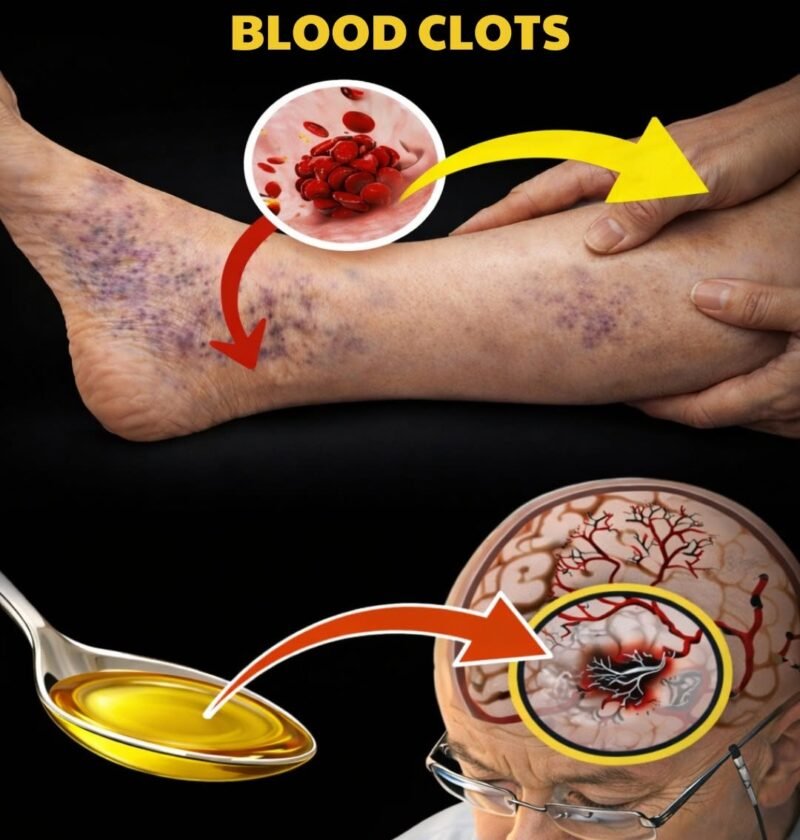
Supporting your body’s natural blood clot management—often tied to maintaining healthy circulation, reducing excessive platelet aggregation, and protecting blood vessel lining—relies heavily on a diet rich in antioxidants, flavonoids, and natural anti-inflammatory compounds.
Here are 8 fruits that contain beneficial nutrients to support smooth blood flow and overall cardiovascular wellness:
1. Pomegranate
-
Key Compounds: Polyphenols (such as punicalagins), anthocyanins, and nitrates.
-
How It Helps: Pomegranates are celebrated for boosting blood fluidity and supporting endothelial function (the inner lining of blood vessels). The antioxidants help stimulate nitric oxide production, which relaxes blood vessels, improves blood flow, and helps prevent arterial plaque buildup.
2. Blueberries
-
Key Compounds: Anthocyanins and potent antioxidants.
-
How It Helps: Blueberries have demonstrated significant anti-inflammatory and mild antiplatelet properties. Regular consumption helps keep blood vessels flexible, reduces blood viscosity, and lowers the likelihood of abnormal clotting.
3. Grapes (Especially Red and Purple)
-
Key Compounds: Resveratrol, flavonoids, and Vitamin C.
-
How It Helps: The skins and seeds of red and purple grapes are packed with resveratrol, which helps prevent platelets from clumping together. They also promote vascular elasticity, allowing blood to circulate more efficiently.
4. Citrus Fruits (Oranges, Grapefruits, and Lemons)
-
Key Compounds: Hesperidin, naringenin, and high levels of Vitamin C.
-
How It Helps: Citrus flavonoids strengthen capillary walls and reduce systemic inflammation. Vitamin C plays a structural role in collagen production, protecting blood vessels from oxidative stress and supporting healthy, unobstructed circulation.
5. Kiwi
-
Key Compounds: Vitamin C, Vitamin E, and active actinidin enzymes.
-
How It Helps: Studies indicate that consuming kiwi regularly can help naturally moderate platelet aggregation (clumping) without the harsh side effects of pharmaceutical blood thinners. It also assists in managing healthy blood lipid levels.
6. Watermelon
-
Key Compounds: High concentrations of L-citrulline (an amino acid).
-
How It Helps: Once ingested, your body converts L-citrulline into nitric oxide. Nitric oxide acts as a powerful vasodilator, meaning it widens blood vessels, lowers blood pressure, and promotes smooth, unobstructed blood flow.
7. Cherries (Tart or Sweet)
-
Key Compounds: Anthocyanins, quercetin, and Vitamin C.
-
How It Helps: Cherries offer strong anti-inflammatory benefits that protect endothelial cells. By protecting the delicate lining of your cardiovascular system, they help prevent the microscopic injuries that prompt the body to trigger unnecessary blood clotting cascades.
8. Apples
-
Key Compounds: Quercetin and soluble fiber (pectin).
-
How It Helps: Apples—particularly when eaten with the skin on—contain quercetin, a flavonoid known to exhibit anti-inflammatory and antiplatelet effects. They also help manage cholesterol levels, ensuring that fatty deposits do not narrow arteries and impede flow.
Important Medical Note: While these fruits support healthy circulation and normal blood flow as part of a balanced diet, they are food, not medication. If you are taking prescription blood thinners (such as Warfarin / Coumadin or direct oral anticoagulants), sudden, massive increases in certain nutrient-dense fruits or juices can occasionally interact with your medications. Always consult your physician before making major changes to your diet if you have an active clotting disorder or take blood-thinning therapies.