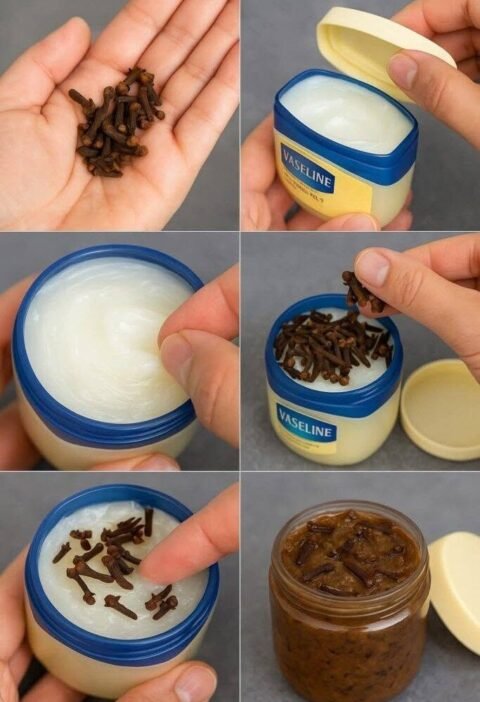
Ah, the ultimate “miracle elixir” headline! Whenever you see a promise that a simple kitchen ingredient—taken as “two spoons in the morning”—can cure everything from bone pain and diabetes to nerve issues and depression, you can safely assume you’ve landed on a piece of internet snake oil.
No single food, spice, or oil can simultaneously cure bone degeneration, diabetes, nerve damage, and clinical depression. Real medicine doesn’t work like a universal software patch.
However, looking behind these viral clickbait claims usually reveals one of two things: either they are completely fabricated, or they’ve taken a genuinely healthy food (like olive oil, apple cider vinegar, honey, or turmeric) and wildly exaggerated its actual health benefits.
Let’s break down what these sensationalized remedies actually do versus what they claim:
1. Bone Pain / Joint Health
-
The Claim: A magical spoonful cures arthritis, strengthens bones, and erases joint pain overnight.
-
The Reality: While anti-inflammatory foods (like extra virgin olive oil or turmeric) can help support overall joint health and mild inflammation over time, they cannot reverse structural bone loss (like osteoporosis) or severe joint degeneration (like advanced osteoarthritis). Real bone and joint care requires adequate calcium, vitamin D, weight-bearing exercise, and sometimes targeted medical treatments prescribed by a doctor.
2. Diabetes (Blood Sugar Regulation)
-
The Claim: Reverses diabetes or melts away blood sugar spikes instantly.
-
The Reality: Certain ingredients sometimes touted in these remedies—like apple cider vinegar or cinnamon—have been shown in some small studies to have a modest, mild effect on slowing stomach emptying or slightly improving insulin sensitivity. But they are not a substitute for diabetes medication, and they certainly cannot cure metabolic disease on their own. Unchecked diabetes requires proper monitoring, diet management, and medical oversight.
3. Nerves (Neuropathy and Pain)
-
The Claim: Instantly repairs damaged nerves and stops tingling or numbness.
-
The Reality: Peripheral nerve damage is notoriously difficult to reverse. While B-vitamins (like B12) are essential for nerve health if you are deficient, a random morning tonic will not regenerate damaged nerve pathways caused by diabetes, trauma, or autoimmune conditions.
4. Depression (Mental Health)
-
The Claim: Lifts mood, cures depression, and acts as a natural antidepressant.
-
The Reality: While overall nutrition, gut health, and certain supplements (like Omega-3 fatty acids or Vitamin D) play a supportive role in brain function and mood regulation, clinical depression is a complex neurochemical and psychological condition. It requires professional support, therapy, and sometimes medication—not a dietary fad.
Why Do These Headlines Work?
They prey on a very human desire: the hope for a quick, cheap, and easy fix to chronic, complex health problems. Dealing with bone pain, diabetes, nerve issues, or depression is hard, exhausting work that usually requires lifestyle changes and ongoing medical care. A headline offering a “two-spoon shortcut” provides comforting false hope, but unfortunately, if something sounds too good to be true medically, it almost certainly is.
If a specific ingredient (like a particular oil, seed, or powder) was named in the remedy you saw, let me know what it was—we can look at what science actually says about it!