12 Signs That May Signal a Brain Aneurysm — Don’t Ignore Them
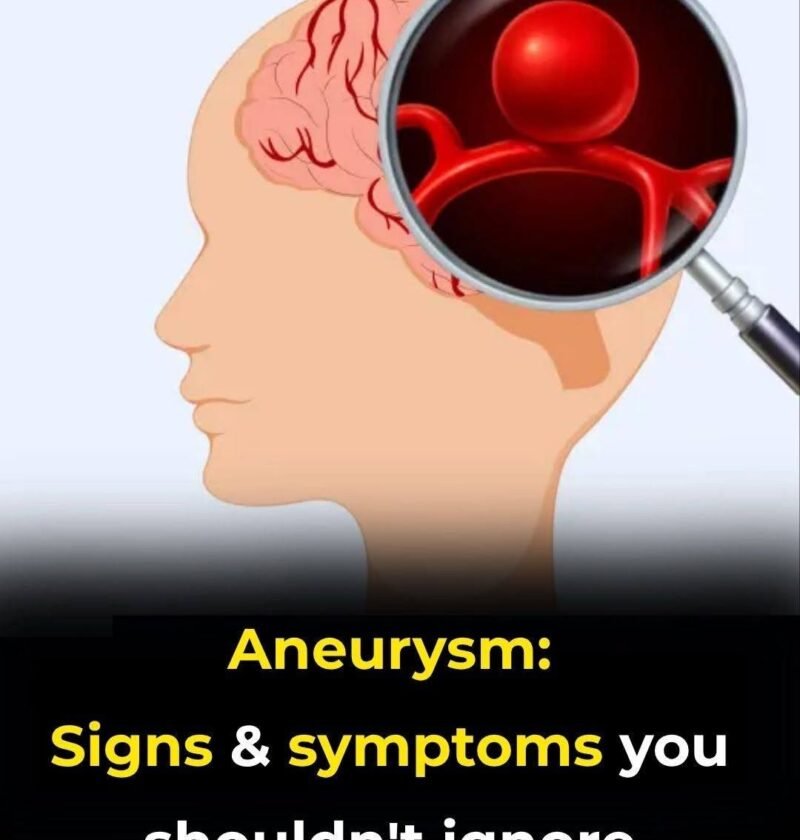
A brain aneurysm is a bulge or ballooning in a blood vessel in the brain. Often, unruptured aneurysms cause no symptoms at all and are only discovered during scans for other health issues. However, if an aneurysm presses on sensitive brain tissues or nerves—or worse, if it leaks or ruptures—it becomes a critical medical emergency.
Here are 12 warning signs associated with brain aneurysms, broken down by unruptured and ruptured (emergency) symptoms:
Signs of an Unruptured Aneurysm (Pressure & Warning Signs)
Small or unruptured aneurysms may press against cranial nerves or brain tissue, causing localized symptoms:
-
A Sudden, Localized Headache
-
What it feels like: A persistent, dull, or aching pain localized in one specific spot on the head, often behind or above one eye.
-
-
Vision Changes or Double Vision
-
What it feels like: Sudden blurring, seeing double, or losing part of your field of vision, which happens when the aneurysm presses on the nerves controlling eye movement.
-
-
Drooping Eyelid or Dilated Pupil
-
What it looks like: One eyelid suddenly appears lower than the other, or one pupil is noticeably larger than the other due to nerve compression.
-
-
Numbness or Weakness on One Side of the Face
-
What it feels like: A sudden loss of sensation or a heavy, drooping feeling confined to one side of the face.
-
-
Difficulty Speaking or Slurring
-
What it sounds like: Trouble finding the right words or difficulty articulating speech clearly.
-
-
Balance and Coordination Issues
-
What it feels like: Unsteadiness, dizziness, or clumsiness that cannot be explained by inner ear issues or fatigue.
-
Signs of a Ruptured Aneurysm (Medical Emergency)
When an aneurysm bursts (subarachnoid hemorrhage), it causes bleeding in the brain. This requires immediate, emergency medical intervention:
-
The “Thunderclap” Headache
-
What it feels like: A notoriously severe, agonizing headache that hits with maximum intensity in a split second. People often describe it as “the worst headache of my life.”
-
-
Stiff Neck
-
What it feels like: Sudden, severe stiffness and rigidity in the neck muscles, often accompanied by extreme sensitivity to light (photophobia).
-
-
Nausea and Projectile Vomiting
-
What it feels like: Sudden, intense bouts of nausea and vomiting that accompany the sudden onset of a severe headache.
-
-
Sudden Confusion or Altered Mental State
-
What it looks like: Disorientation, memory lapses, drowsiness, or unresponsiveness.
-
-
Seizures
-
What it looks like: Uncontrolled muscle spasms, shaking, or sudden loss of consciousness caused by irritation of the brain tissue from bleeding.
-
-
Loss of Consciousness or Coma
-
What it looks like: Fainting or completely blacking out suddenly, which can range from brief unresponsiveness to a deep coma.
-
🚨 When to Seek Emergency Medical CareIf you or someone around you experiences a sudden, excruciating “thunderclap” headache, especially when accompanied by a stiff neck, confusion, vision changes, or vomiting, call emergency services (like 911) or go to the nearest emergency room immediately. Quick medical treatment can save lives and drastically reduce the risk of permanent brain damage.
Are you or a loved one currently experiencing any concerning symptoms, or are you researching this out of general health curiosity?