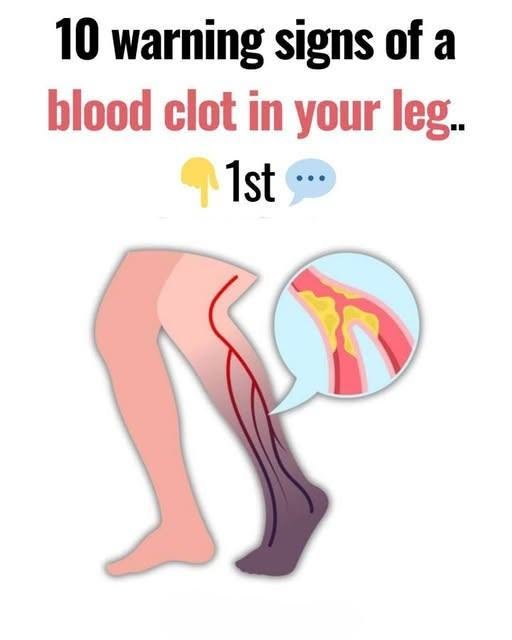
Recognizing the warning signs of a blood clot in the leg—most commonly known as Deep Vein Thrombosis (DVT)—is critical because if a clot breaks loose, it can travel to the lungs and cause a life-threatening pulmonary embolism.
Here are the 10 warning signs of a blood clot in the leg that you should know:
1. Swelling in One Leg
Swelling is one of the most common signs of a DVT. It typically occurs only in one leg (not both), usually developing rapidly in the calf, ankle, or foot. If your leg swells up suddenly without an obvious injury, it warrants immediate medical attention.
2. Leg Pain or Tenderness
You may experience a dull ache, cramping, or tenderness in the affected leg. This pain often starts in the calf and can feel like a severe muscle pull or a persistent cramp that won’t go away, even with rest or stretching.
3. Skin That Feels Warm to the Touch
The skin over the area of the clot often feels noticeably warmer than the surrounding skin or the opposite leg. This localized warmth is caused by increased blood flow or inflammation around the blocked vein.
4. Red or Discolored Skin
The skin on the affected leg may change color. Depending on your skin tone, it might look red, purple, or bluish. While bruising can look similar, a DVT-related discoloration usually appears without any recent trauma or impact.
5. Visible Surface Veins
If deep veins are blocked, blood may back up into smaller superficial veins near the surface of the skin. As a result, you might notice new or unusually prominent surface veins appearing on the affected leg.
6. Pain When Flexing the Foot
A classic clinical indicator of a calf blood clot is pain when you flex your foot upward (pulling your toes toward your shin). This movement stretches the calf muscle and puts pressure on the affected vein, triggering sharp pain.
7. Heaviness or Fatigue in the Leg
Many people describe a heavy, dragging, or deeply fatigued sensation in the affected limb, making the leg feel unusually difficult to lift or move normally throughout the day.
8. Pitting Edema (Indentations in the Skin)
If you press your thumb firmly into the swollen skin of your shin or ankle for a few seconds and an indentation remains (like pressing into memory foam) after you release it, it is known as pitting edema. This indicates fluid buildup associated with circulation blockage.
9. Itchy or Burning Sensation
Though less common, some individuals report a localized itchy, prickly, or burning sensation directly over the area where the blood clot has formed, often accompanied by mild inflammation.
10. Low-Grade Fever
In some cases, especially if the clot is large or causes significant inflammation, the body may respond with a mild, low-grade fever. While fever is a general sign of inflammation or infection, combined with leg swelling and pain, it can point toward a vascular issue.
⚠️ Medical Emergency Warning:If a blood clot breaks free and travels to your lungs (Pulmonary Embolism), it becomes a medical emergency. Seek emergency medical care immediately if you experience any of the following symptoms alongside leg pain:
Disclaimer: This information is for educational purposes and should not replace professional medical advice. If you suspect you have a blood clot, contact a healthcare provider or seek urgent medical evaluation right away.
Would you like to know more about the risk factors associated with blood clots, or steps you can take to help prevent them?