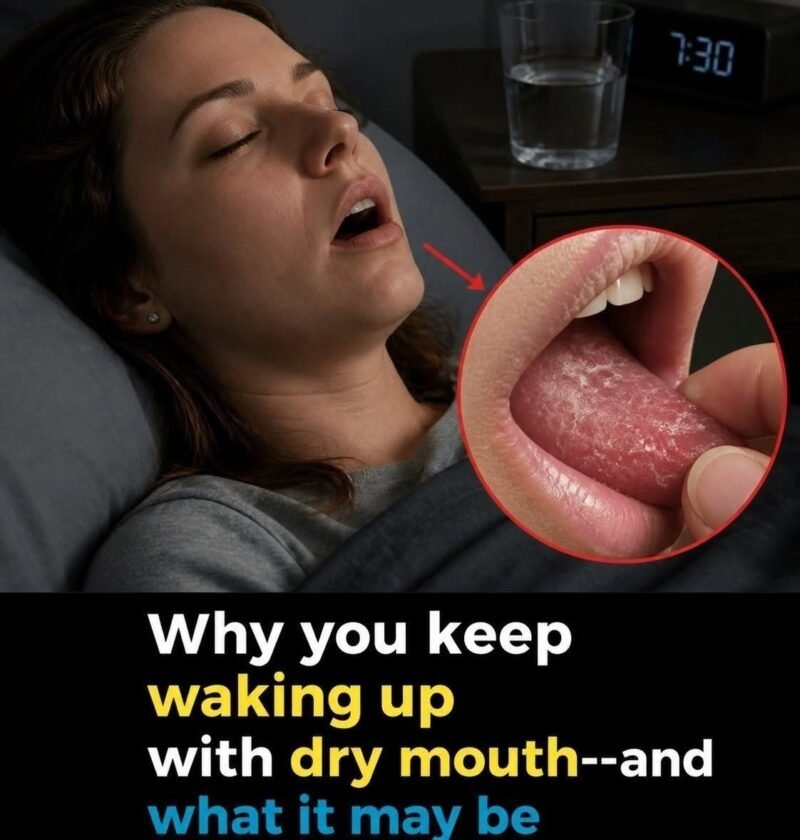
Waking up with a cotton-dry mouth and a sticky throat is an uncomfortable way to start the day. While it’s easy to brush it off as just sleeping with your mouth open, persistent morning dry mouth (medically known as *xerostomia*) is often a subtle signal from your body about your environment, habits, or overall health.
Here is what your body might be trying to tell you, along with simple ways to find relief.
—
### 1. “I’m Breathing Through My Mouth All Night”
* **The Cause:** If your nasal passages are blocked due to allergies, a deviated septum, sinus congestion, or a cold, your body instinctively switches to mouth-breathing while you sleep. Because the continuous flow of air evaporates your saliva, you wake up completely dried out.
* **The Clue:** Do you wake up with a sore throat, mild snoring, or a stuffy nose?
### 2. “You’re Dehydrated”
* **The Cause:** It sounds simple, but waking up dry can just mean your overall fluid intake isn’t keeping up with your body’s needs, or you consumed something diuretic (like alcohol or too much caffeine) too close to bedtime.
* **The Clue:** If your morning thirst isn’t just in your mouth, but you feel parched all over and your urine is dark, your body is asking for more hydration throughout the day.
### 3. “Check Your Medications”
* **The Cause:** Hundreds of prescription and over-the-counter medications list dry mouth as a common side effect. This includes antihistamines (for allergies), decongestants, certain blood pressure medications, antidepressants, and anxiety drugs.
* **The Clue:** Did the dry mouth start or worsen around the same time you began a new medication?
### 4. “Your Bedroom Air is Too Dry”
* **The Cause:** Low ambient humidity—especially during winter months when heaters run constantly, or in dry climates—strips moisture from the air and your mucous membranes as you sleep.
* **The Clue:** Does your skin also feel tight and flaky when you wake up, or do you notice static electricity around the house?
### 5. “Watch Out for Sugar, Caffeine, or Late-Night Habits”
* **The Cause:** Eating a sugary snack, drinking alcohol, or smoking close to bedtime can severely reduce saliva production overnight or irritate your salivary glands. Alcohol, in particular, acts as a powerful diuretic.
* **The Clue:** Does this happen more often after evenings where you had wine, dessert, or a late-night salty snack?
—
### Simple Ways to Find Relief
* **Run a humidifier:** Placing a cool-mist humidifier in your bedroom adds moisture back into the air, preventing your airways from drying out overnight.
* **Keep water by the bed:** A simple sip of water can instantly reset your mouth. (Just avoid sugary drinks right before sleep to protect your teeth.)
* **Breathe through your nose:** If nasal congestion is the culprit, try saline nasal sprays before bed, or consult a doctor if allergies or a structural blockage are making nose-breathing difficult.
* **Protect your oral health:** Saliva is your mouth’s natural defense against cavities and gum disease. If chronic dry mouth leaves your teeth vulnerable, talk to your dentist about specialized moisturizing mouthwashes or artificial saliva rinses.
*(Note: If dry mouth is persistent, severe, and accompanied by dry eyes or joint pain, it’s worth mentioning to your doctor, as it can occasionally point to underlying conditions like Sjögren’s syndrome.)*
Do you tend to notice dry mouth every single morning, or does it seem to happen only on certain nights?