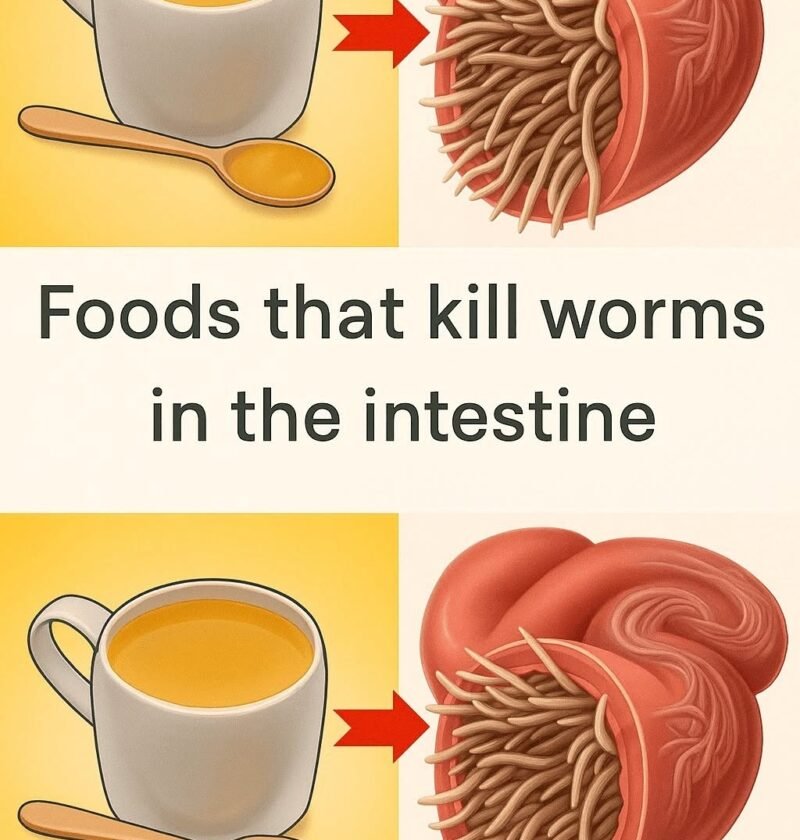
While certain foods contain compounds that possess traditional, natural anti-parasitic or antimicrobial properties, it is important to note that dietary foods alone are not clinically proven to cure a diagnosed intestinal worm infection. Real intestinal parasites (such as pinworms, tapeworms, or roundworms) typically require targeted medical anti-parasitic medications prescribed by a healthcare provider.
However, incorporating certain foods into a balanced diet can support gut health and create an environment hostile to unwanted organisms. Seven foods commonly highlighted in traditional and integrative wellness for their anti-parasitic properties include:
1. Garlic
-
Why it helps: Garlic is rich in sulfur-containing compounds like allicin, which exhibit strong antimicrobial, antifungal, and anti-parasitic properties. Allicin is particularly known for its ability to inhibit the growth of various microbes and parasites.
-
How it’s used: Raw or crushed garlic is generally considered more potent than cooked garlic, as heat can degrade some of its active enzymes.
2. Pumpkin Seeds
-
Why it helps: Pumpkin seeds contain a natural amino acid called cucurbitacin. This compound is believed to have anti-parasitic effects by temporarily paralyzing intestinal worms, making it harder for them to hold onto the intestinal walls and easier for the body to flush them out.
-
How it’s used: They can be eaten raw or roasted as a snack, or blended into smoothies and salads.
3. Papaya (and Papaya Seeds)
-
Why it helps: Papaya contains a powerful digestive enzyme called papain. Papain helps break down proteins, which can weaken the structures of certain intestinal parasites. Additionally, the peppery seeds of the papaya contain unique anthelmintic (worm-expelling) compounds.
-
How it’s used: Eating the fresh fruit or blending the dried seeds into dressings or juices (in moderation) is a common traditional remedy.
4. Coconut (and Coconut Oil)
-
Why it helps: Coconut is rich in medium-chain fatty acids (MCFAs), specifically lauric acid and caprylic acid. When digested, these fatty acids form compounds that display strong antimicrobial and anti-parasitic activity, potentially disrupting the cell membranes of harmful organisms.
-
How it’s used: Consuming unsweetened coconut flakes or cooking with virgin coconut oil.
5. Pineapple
-
Why it helps: Similar to papaya, fresh pineapple contains a high concentration of the proteolytic enzyme bromelain. Bromelain aids protein digestion and has been traditionally used to help clear certain intestinal parasites, such as tapeworms, by creating a hostile digestive environment.
-
How it’s used: Eating fresh pineapple or drinking 100% pure, unsweetened pineapple juice.
6. Ginger
-
Why it helps: Ginger stimulates the production of stomach acid and digestive enzymes. Improving overall digestive fire and gut motility helps the body naturally flush out unwanted organisms and waste efficiently. Studies also suggest ginger extracts can combat certain protozoan parasites.
-
How it’s used: Steeped as a fresh ginger root tea or grated raw into meals.
7. Fermented Foods (Kefir, Sauerkraut, Kimchi)
-
Why it helps: While fermented foods do not directly “kill” worms, they are vital for gut health. They flood the digestive tract with beneficial probiotics that crowd out bad microbes, strengthen the gut lining, and boost the immune system’s capacity to defend against infections.
[!CAUTION]When to See a Doctor:If you suspect you or a family member has an intestinal parasite—indicated by symptoms like unexplained weight loss, persistent abdominal pain, intense anal itching (common with pinworms), or changes in bowel habits—it is essential to consult a physician. Real parasite infestations require proper clinical diagnosis (such as a stool test) and specific deworming medications to clear safely and completely.
Are you experiencing any specific symptoms, or looking into these foods for general digestive health?