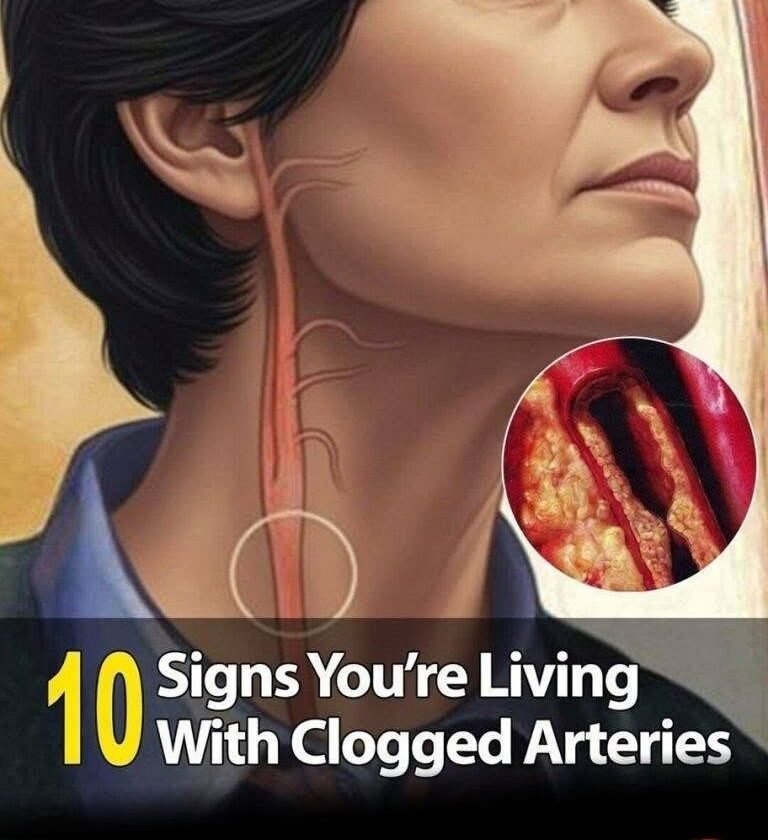
That is yet another classic in the grand hall of viral health headlines! Articles titled “10 Indicators of Blocked Arteries You Shouldn’t Ignore” are staple content on wellness sites, designed to catch your attention by linking everyday physical sensations to serious cardiovascular risks.
While cardiovascular health is genuinely important, these articles often lean heavily on fear by listing symptoms that can mean a dozen different things (ranging from simple muscle fatigue to harmless posture issues).
However, medical professionals do want people to recognize genuine warning signs of atherosclerosis (plaque buildup in the arteries). Here is the reality behind what those lists usually cover:
The Genuine Warning Signs to Take Seriously
When arteries supplying the heart, brain, or limbs become significantly narrowed, they can trigger specific, persistent symptoms:
-
Chest Pain or Pressure (Angina): Often described as a heavy weight, squeezing, or tightness in the chest that occurs during physical exertion and eases with rest. (Note: This is the classic hallmark of coronary artery disease).
-
Shortness of Breath: Feeling unusually winded from everyday activities that used to be easy, because the heart isn’t pumping blood and oxygen efficiently.
-
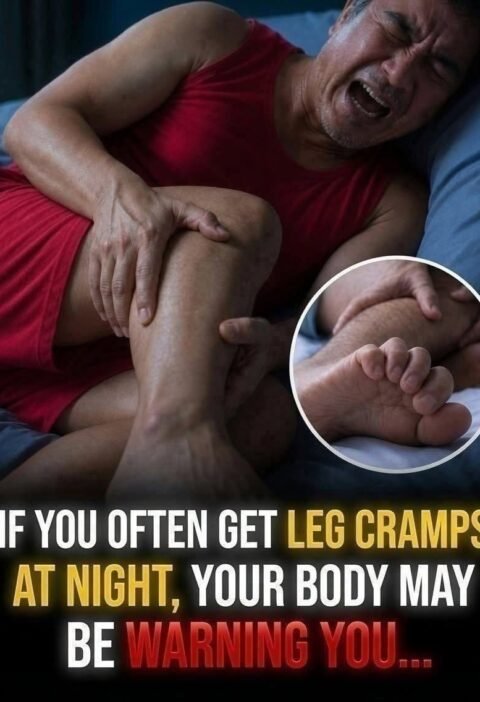
Pain, Cramping, or Heaviness in the Legs (Claudication): A cramping pain in the calves, thighs, or hips that kicks in when walking and goes away with rest. This can be a sign of Peripheral Artery Disease (PAD), where arteries in the legs are narrowed.
-
Sudden Neurological Signs (Transient Ischemic Attacks or Strokes): Sudden weakness or numbness in the face, arm, or leg (especially on one side of the body), slurred speech, or sudden vision changes in one eye, which can point to carotid artery blockage.
What the Clickbait Usually Exaggerates
The internet lists often stretch the truth by including very vague, common symptoms and claiming they mean blocked arteries. These can include:
-
Cold hands and feet: (Usually just poor circulation due to cold weather, low blood pressure, or Raynaud’s syndrome, not necessarily a major blockage).
-
Fatigue: (Can be caused by poor sleep, stress, vitamin deficiencies, or a busy lifestyle).
-
Hair loss or slow-growing toenails on the legs: (While severe PAD can affect hair growth due to lack of blood flow, mild hair thinning is normal aging).
The Bottom Line
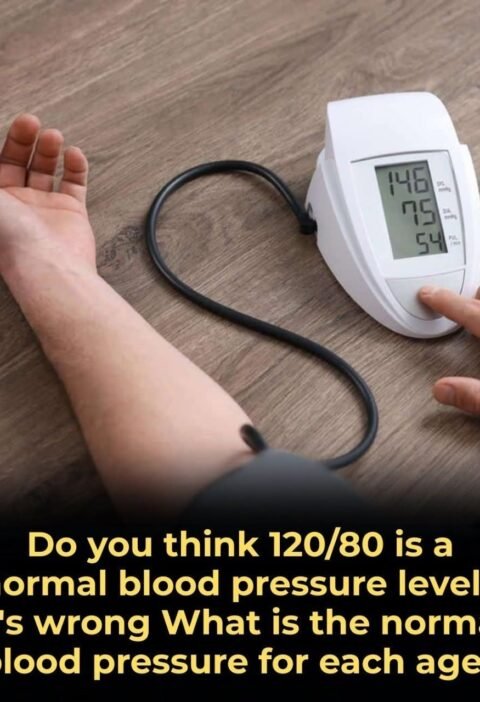
If you or someone you know is experiencing persistent, unexplained chest pain, shortness of breath, or sudden cramping in the legs during activity, it is always a smart idea to talk to a doctor and get a proper cardiovascular checkup (such as a simple blood pressure check, cholesterol panel, or circulation screening).
Did one of these indicators pop up in an article you were reading, or were you curious about how to spot early signs of heart health issues?