Dealing with bone or joint discomfort can often weigh heavily on your emotional well-being, as chronic pain and mental health are deeply interconnected. Addressing both simultaneously using natural, gentle approaches can create a positive ripple effect through your body and mind.
Here are some natural, evidence-based strategies that help soothe physical discomfort while supporting a positive, resilient mental state:
1. Optimize Sunlight and Vitamin D
-
For Bone Health: Vitamin D is essential because it allows your body to absorb calcium properly, keeping bones strong. A deficiency can lead to heightened bone tenderness and muscle weakness.
-
For Mental Health: Regular sunlight exposure helps regulate melatonin and serotonin production, which naturally boosts mood and combats feelings of low spirits or seasonal sluggishness.
-
Tip: Aim for 15 to 20 minutes of safe morning sunlight daily, or discuss a Vitamin D3 supplement with your healthcare provider.
2. Anti-Inflammatory Nutrition (Turmeric and Omega-3s)
-
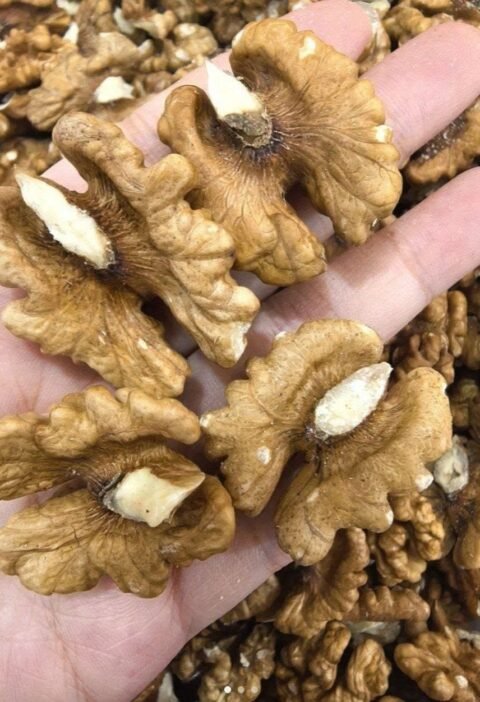
For Bone & Joint Pain: Chronic internal inflammation often worsens aches. Curcumin (the active compound in turmeric) and omega-3 fatty acids (found in salmon, walnuts, or flaxseeds) are powerful natural anti-inflammatories that can ease stiffness.
-
For Mental Health: Omega-3s are vital building blocks for the brain. Diets rich in healthy fats and antioxidants are strongly linked to lower rates of anxiety and depression.
-
Tip: Try adding a pinch of black pepper and turmeric to warm milk or tea (often called “golden milk”), or incorporate fatty fish into your meals a couple of times a week.
3. Gentle Movement and Mind-Body Practices
-
For Bone Health: Low-impact movement like walking, gentle stretching, or tai chi keeps joints lubricated, maintains bone density, and prevents stiffness without overloading your frame.
-
For Mental Health: Physical movement triggers the release of endorphins (the body’s natural feel-good chemicals). Combining movement with mindfulness or deep breathing lowers cortisol (the stress hormone) and calms an overactive nervous system.
-
Tip: A short, daily 15-minute walk outdoors checks multiple boxes: fresh air, gentle exercise, sunlight, and a change of scenery to clear the mind.
4. Magnesium and Warm Hydrotherapy
-
For Bone & Joint Pain: Magnesium plays a critical role in bone formation and muscle relaxation. Soaking in a warm bath with Epsom salts (magnesium sulfate) allows the mineral to be absorbed through the skin, easing sore joints and tension.
-
For Mental Health: Warm water immersion signals the nervous system to wind down, reducing physical anxiety and promoting restful sleep—which is crucial, as sleep deprivation drastically amplifies both pain perception and mood dips.
Note: Because persistent bone pain can stem from various underlying causes, it is always wise to mention new or ongoing pain to your physician to rule out conditions like osteoporosis or vitamin deficiencies.
How long have you been experiencing this bone pain, and are there specific activities or times of day when it feels worse?