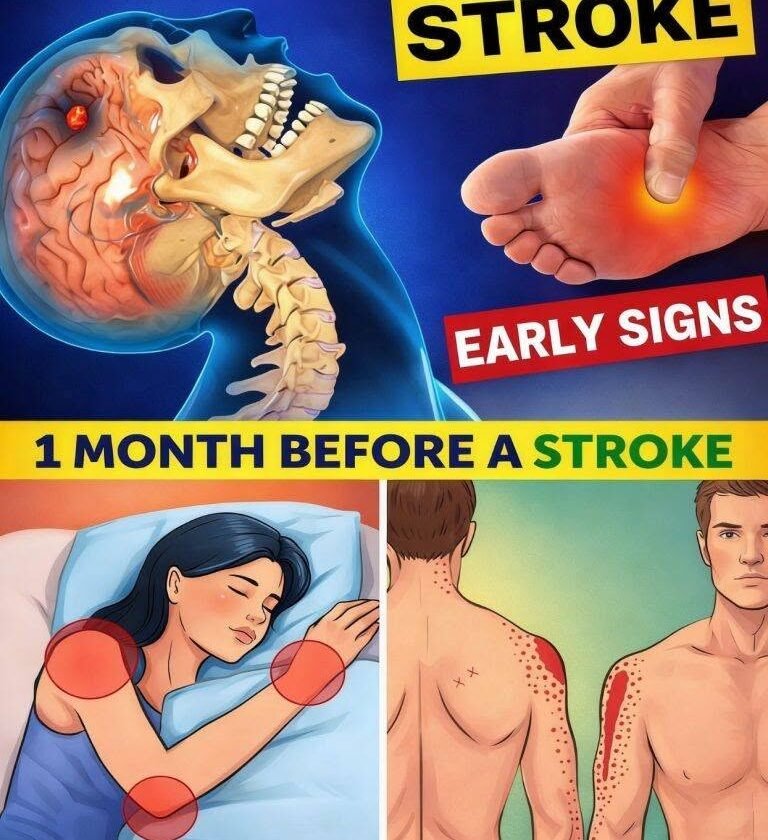
While major strokes typically strike suddenly, clinical research and patient reports indicate that some individuals experience subtle, intermittent neurological warning signs—often tied to Transient Ischemic Attacks (TIAs or “mini-strokes”)—days or even weeks before a major event. Recognizing these red flags can provide a crucial window for medical intervention.
## 8 Warning Signs That Can Precede a Stroke
-
Intermittent Numbness or Weakness: Mild, fleeting tingling or loss of strength—typically isolated to one side of the face, arm, or leg—that comes and goes.
-
Sudden Brief Slurring or Word Difficulty: Brief episodes of difficulty finding the right words, stuttering, or slight speech slurring that resolves on its own.
-
Transient Vision Changes: Temporary blurring, double vision, or a sudden brief blackout of sight in one eye.
-
Unexplained Dizziness or Vertigo: Sudden bouts of unsteadiness, feeling lightheaded, or losing balance while walking without a clear inner-ear cause.
-
Unusual, Severe Headaches: A sudden, exceptionally sharp, or persistent headache unlike any ordinary headache you have experienced, often lacking an obvious trigger.
-
Sudden Mental Fog or Confusion: Brief spells of disorientation, trouble following conversations, or short-term memory lapses.
-
Subtle Behavioral or Mood Shifts: Uncharacteristic irritability, sudden anxiety, or emotional flatness that appears without an environmental trigger.
-
Unexplained Fatigue and Weakness: Overwhelming, persistent physical exhaustion or a heavy, lethargic feeling in the limbs even after adequate rest.
Crucial Note: A TIA (mini-stroke) mimics all these symptoms but resolves quickly. Never ignore them; studies show that a significant percentage of people who experience a TIA will suffer a major stroke if left untreated.
## 9 Essential Tips to Prevent a Stroke
Protecting your vascular and brain health involves managing underlying physical strains and maintaining healthy daily habits:
-
Keep Blood Pressure in Check: Hypertension is the single largest risk factor for stroke. Monitor your blood pressure regularly and work with a doctor to keep it within a healthy range.
-
Manage Blood Sugar Levels: Diabetes damages blood vessels over time and increases the likelihood of blood clots forming. Keep your glucose levels stable through diet, medication, and regular check-ups.
-
Screen for Heart Rhythms (Atrial Fibrillation): An irregular heartbeat can cause blood to pool in the heart, forming clots that travel to the brain. Ask your doctor to screen your heart rhythm if you experience palpitations.
-
Adopt a Heart-Healthy Diet: Focus on whole foods rich in potassium, fiber, and antioxidants (such as leafy greens, berries, fish, and nuts) while aggressively cutting back on excess sodium and processed trans fats.
-
Stay Physically Active: Aim for at least 30 minutes of moderate exercise (like brisk walking, swimming, or cycling) most days of the week to improve circulation and lower blood pressure.
-
Quit Smoking: Tobacco smoke thickens blood, promotes plaque buildup in arteries, and drastically spikes stroke risk. Seek support to quit if you currently smoke.
-
Limit Alcohol Consumption: Heavy drinking raises blood pressure and weakens blood vessels. Keep consumption moderate or eliminate it entirely.
-
Maintain Healthy Cholesterol Levels: High LDL (“bad”) cholesterol contributes to arterial plaque. Regular lipid panels help ensure your arteries remain clean and flexible.
-
Prioritize Sleep and Address Sleep Apnea: Chronic sleep deprivation stresses the cardiovascular system. Conditions like obstructive sleep apnea significantly strain blood vessels and elevate stroke risk if left untreated.
Are you or someone you know currently investigating unusual symptoms like sudden dizziness or numbness, or are you looking for guidance on managing specific risk factors like high blood pressure?