Piriformis Stretches to Relieve Piriformis Syndrome
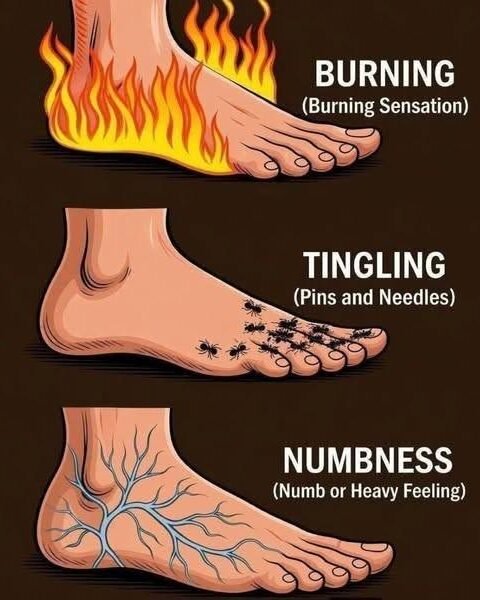
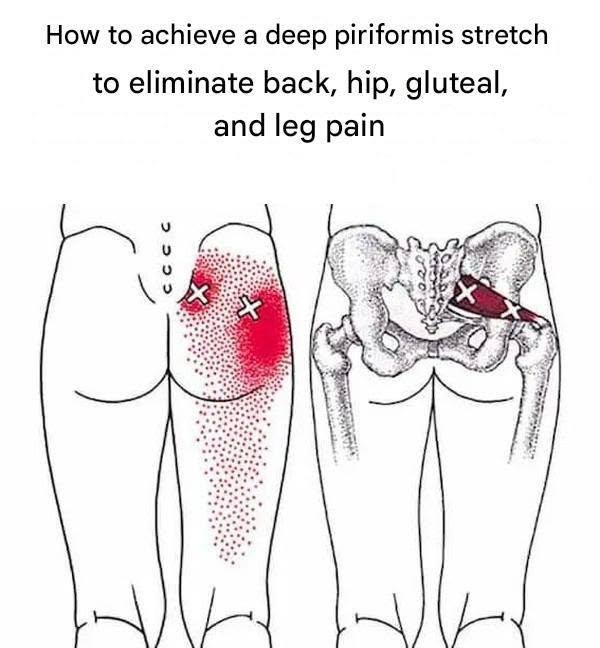
Piriformis syndrome can cause pain in the buttock that may travel down the back of the thigh, sometimes with tingling or discomfort similar to sciatica. The piriformis is a small muscle deep in the buttock that helps rotate the hip.
Gentle stretching and controlled movement may help relieve symptoms, especially when tightness around the hip contributes to the pain. However, not all pain that feels like piriformis syndrome comes from this muscle; irritation of a spinal nerve can cause similar symptoms.
6 gentle stretches to try at home
Best starting option
-
Lie on your back with both knees bent.
-
Place the ankle of the affected leg over the opposite thigh, just above the knee.
-
Hold behind the supporting thigh and gently draw it toward your chest.
-
Keep your head and back relaxed.
Hold 20–30 seconds. Repeat 2–3 times per side.
-
Sit upright on a sturdy chair.
-
Cross your affected ankle over the opposite knee.
-
Keep your back straight and hinge forward gently from your hips.
-
Stop when you feel a mild stretch in the buttock.
Hold 20–30 seconds. Repeat 2 times per side.
-
Lie on your back with your legs extended or comfortably bent.
-
Bring the affected knee gently across your body.
-
Guide it toward the opposite shoulder without twisting forcefully.
-
Keep your shoulders relaxed.
Hold 15–20 seconds. Repeat 2–3 times if comfortable.
-
Lie on your back.
-
Bring one knee toward your chest.
-
Hold behind your thigh or over your shin, whichever feels comfortable.
-
Keep the opposite leg relaxed and avoid pulling forcefully.
Hold 15–30 seconds. Repeat 2 times per side.
-
Lie on your back with knees bent and feet flat.
-
Slowly lower both knees a short distance to one side.
-
Return to the center and move to the other side.
-
Keep the movement controlled and within a comfortable range.
Repeat 8–10 times in a comfortable range.
-
Stand in a split stance, holding a chair for balance.
-
Bend your front knee slightly and keep your rear leg behind you.
-
Gently tuck your pelvis and shift forward a little.
-
Keep your lower back neutral.
Hold 20 seconds per side, provided it does not worsen your buttock or leg pain.
These are common mobility exercises, but not every stretch suits every cause of buttock or sciatic pain. The lying figure-four is a reasonable first option when it feels comfortable.