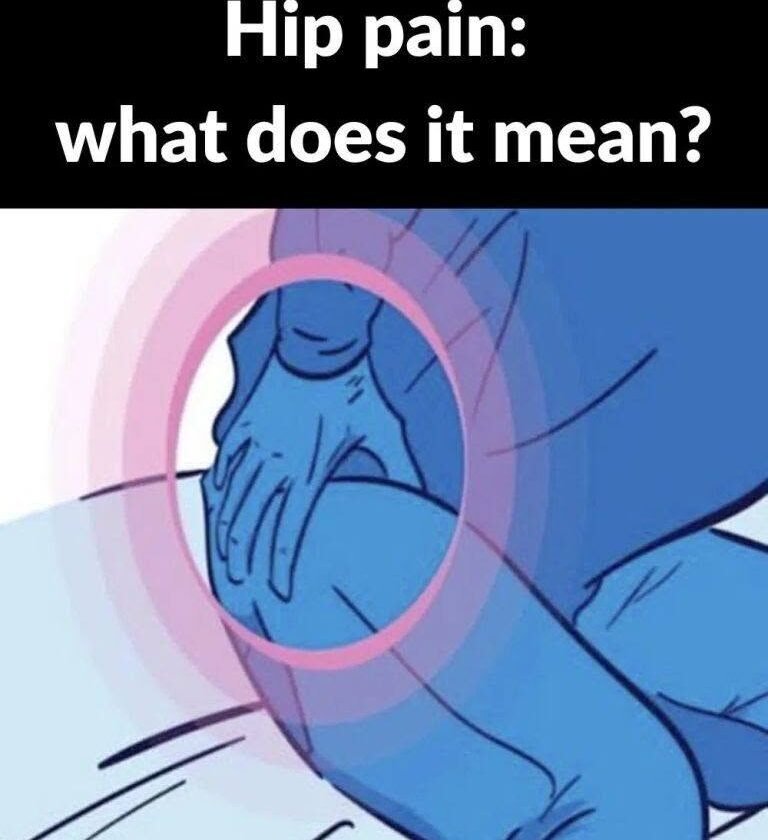
Hip pain is a common complaint that can stem from a wide variety of sources. Because the hip joint is a major ball-and-socket joint surrounded by muscles, tendons, ligaments, and bursae, the exact location and nature of your pain can offer big clues about what might be going on.
Where is the pain located?
-
Groin or front of the hip/thigh: Pain here usually points directly to an issue inside the hip joint itself (such as cartilage wear, arthritis, or a labral tear).
-
Outer hip, upper thigh, or outer buttocks: Pain on the outside is frequently related to soft tissues surrounding the joint—such as muscles, tendons, or bursae (fluid-filled sacs that cushion the joint)—rather than the joint itself.
-
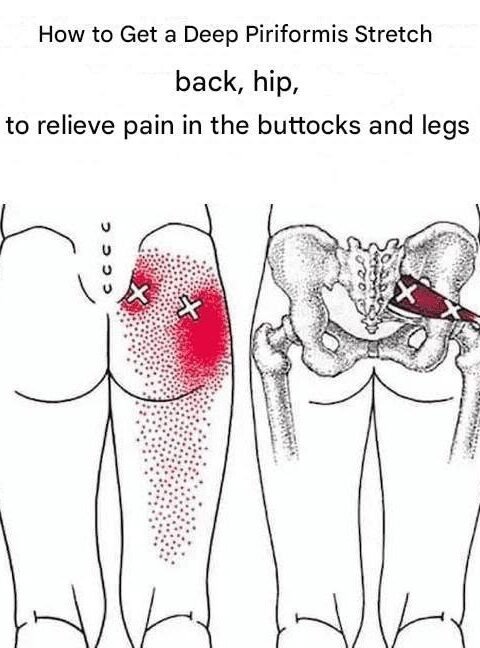
Lower back or buttocks: Pain that radiates into the hip or back of the thigh is often “referred pain” originating from the lumbar spine (lower back) or sacroiliac (SI) joint.
Common Causes of Hip Pain
-
Osteoarthritis: The most common cause of hip pain, especially in older adults. It involves the gradual wear and tear of the protective cartilage cushioning the bones, leading to stiffness, aching, and a reduced range of motion.
-
Bursitis: Inflammation of the bursae (most commonly trochanteric bursitis on the outer point of the hip). It often causes sharp pain initially that may dull over time, especially when lying on the affected side, walking, or getting up from a chair.
-
Tendinitis or Muscle Strain: Overuse or sudden strain of the hip flexors, abductors, or gluteal muscles. Common in runners or people starting new physical activities.
-
Hip Labral Tear: A tear in the ring of cartilage (the labrum) that follows the outside rim of the socket of your hip joint. This can cause a catching, clicking, or locking sensation in the joint, along with pain.
-
Sciatica or Radiculopathy: Compression or irritation of the sciatic nerve or lower spinal nerves, causing pain that shoots from the lower back through the buttock and down the leg.
-
Hip Fractures: More common in older adults or individuals with weakened bones (osteoporosis), often resulting from a fall and causing sudden, severe pain and an inability to bear weight.
When to Seek Immediate Medical Attention
You should consult a healthcare professional—such as your primary care doctor or an orthopedist—to get an accurate diagnosis, especially if the pain persists, worsens, or interferes with daily life. Seek immediate medical care if your hip pain is accompanied by:
-
An inability to bear weight on the affected leg.
-
The joint appears visibly deformed, out of place, or you heard a “pop” at the time of injury.
-
Inability to move your leg or hip.
-
Severe pain, sudden swelling, redness, or warmth in the joint, or a fever (which could indicate an infection).
To help me give you more relevant information, is the pain located in your groin, outer hip, or back/buttocks, and did it start after an injury or gradually over time?