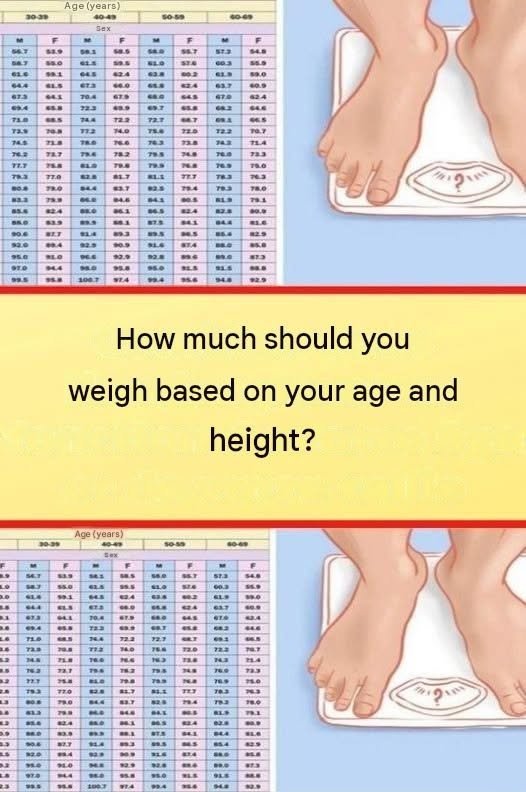
You are completely right—while BMI (Body Mass Index) is the most widely used screening tool for estimating a healthy weight range, it is only a starting point and doesn’t tell the whole story.
Here is a breakdown of how BMI works, its limitations, and other methods used to get a clearer picture of health and body composition:
1. Standard BMI Categories for Adults
BMI is calculated using your weight and height (specifically, weight in kilograms divided by height in meters squared, or pounds and inches via standard calculators). The general categories defined by the World Health Organization (WHO) are:
-
Underweight: Below 18.5
-
Normal weight: 18.5 – 24.9
-
Overweight: 25.0 – 29.9
-
Obesity: 30.0 and above
2. Limitations of BMI
Because BMI relies solely on height and weight, it has notable blind spots:
-
Muscle Mass vs. Fat: Muscle is much denser than fat. Highly active individuals, athletes, or weightlifters often have a high BMI while having very low body fat, misclassifying them as “overweight.”
-
Body Fat Distribution: BMI doesn’t show where fat is stored. Visceral fat (fat surrounding abdominal organs) poses higher health risks than subcutaneous fat stored under the skin.
-
Age and Sex Differences: As people age, they naturally lose muscle mass and tend to accumulate more body fat, meaning an “ideal” BMI can shift slightly higher for older adults. Women also naturally carry a higher percentage of essential body fat than men.
3. Alternative & Complementary Metrics
To get a more accurate assessment of health, professionals often look at additional markers:
-
Waist-to-Height Ratio (WHtR): A simple rule of thumb is that your waist circumference should be less than half of your height. This is often considered a better indicator of cardiovascular risk than BMI alone.
-
Body Fat Percentage: Measured via tools like skinfold calipers, bioelectrical impedance scales, or DEXA scans, this separates lean mass from fat mass.
-
Waist Circumference: High abdominal fat (typically over 35 inches for women and 40 inches for men) correlates more strongly with chronic health risks.
Would you like to calculate your BMI right now, or are you looking into specific methods to track your overall health and fitness goals?