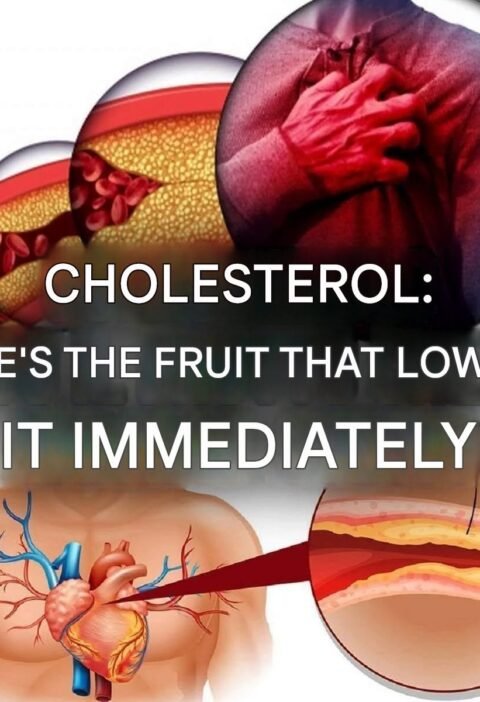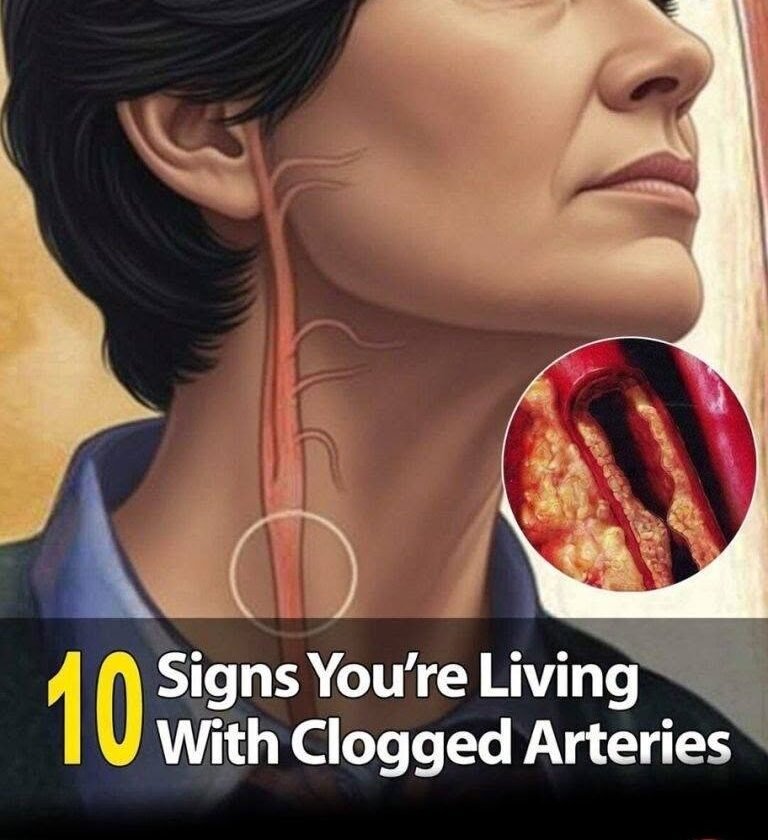
When plaque (made of cholesterol, fat, and calcium) builds up inside your blood vessels—a condition known as atherosclerosis—it restricts the smooth flow of oxygen-rich blood to your heart, brain, and limbs.
Because different arteries supply different parts of the body, warning signs can show up in unexpected places. Here are 10 indicators of blocked arteries that you shouldn’t ignore:
1. Chest Pain, Pressure, or Tightness (Angina)
This is the most classic and recognized sign of blocked coronary arteries.
-
What it feels like: Rather than a sharp pain, people often describe it as a heavy weight, squeezing, tightness, or burning sensation right in the center or left side of the chest. It typically happens during physical exertion or emotional stress and eases up when you rest.
2. Shortness of Breath
If your heart is struggling to pump efficiently due to narrowed arteries, or if blood flow to the lungs is impacted, you may find yourself unexpectedly winded.
-
When to notice it: Feeling breathless after climbing a flight of stairs or doing light household chores that used to feel easy is a red flag that your body isn’t getting enough oxygen.
3. Unexplained or Excessive Fatigue
When cardiovascular circulation drops, your organs and tissues receive less fuel.
-
The sign: If you feel completely drained, weak, or exhausted even after a full night’s sleep, or notice a sudden drop in your physical stamina during normal daily routines, it shouldn’t be brushed off as simple tiredness.
4. Radiating Pain in the Upper Body
Artery blockages can cause “referred pain,” meaning the distress signal travels along shared nerve pathways.
-
The sign: Pain, discomfort, or a dull ache that spreads from your chest outward into your left arm, shoulders, neck, jaw, upper back, or upper stomach.
5. Intermittent Claudication (Leg Pain While Walking)
Blocked arteries aren’t just a heart issue; peripheral artery disease (PAD) occurs when plaque builds up in the arteries supplying blood to your legs and feet.
-
The sign: Cramping, aching, tightness, or fatigue in your calves, thighs, or buttocks when walking or exercising. Crucially, this pain typically goes away shortly after you stop and rest.
6. Coldness, Numbness, or Slow-Healing Sores in the Extremities
When peripheral blood flow is severely restricted, your lower legs and feet pay the price.
-
The sign: One foot or leg may feel noticeably colder than the other. You might experience frequent numbness, or notice that minor cuts, scrapes, or sores on your feet take an unusually long time to heal due to poor circulation.
7. Dizziness, Lightheadedness, or Fainting
A sudden drop in blood circulation can starve the brain of adequate blood pressure and oxygen temporarily.
-
The sign: Feeling suddenly dizzy, lightheaded, or faint—especially when standing up quickly or exerting yourself.
8. Cold Sweats (Diaphoresis)
Breaking out into a sudden, unexplained cold, clammy sweat—especially when you aren’t anxious, exercising, or overheated—is a well-documented stress response from the body. When paired with chest discomfort or breathlessness, it is a high-priority warning sign.
9. Heart Palpitations or Irregular Heartbeats
If restricted blood flow affects the heart’s electrical system, it can cause the organ to misfire.
-
The sign: Feeling like your heart is racing, fluttering, pounding too hard, or skipping beats in your chest.
10. Transient Ischemic Attack (TIA) Symptoms / Carotid Blockage
When the carotid arteries (which supply blood to the brain) become blocked, it can drastically increase the risk of a stroke.
-
The sign: Sudden temporary vision loss (often in one eye), slurred speech, confusion, sudden weakness or numbness on one side of the body, or a severe, sudden headache. These require immediate emergency medical evaluation.
When to Seek Emergency Help:If you experience severe chest pressure, pain spreading to the arm or jaw, sudden shortness of breath, dizziness, or cold sweating that lasts for more than a few minutes or occurs at rest, call emergency services immediately. Do not attempt to drive yourself.
Are you or someone you know currently experiencing any of these specific symptoms, or looking for ways to assess cardiovascular health?