Understanding Sebaceous Cysts
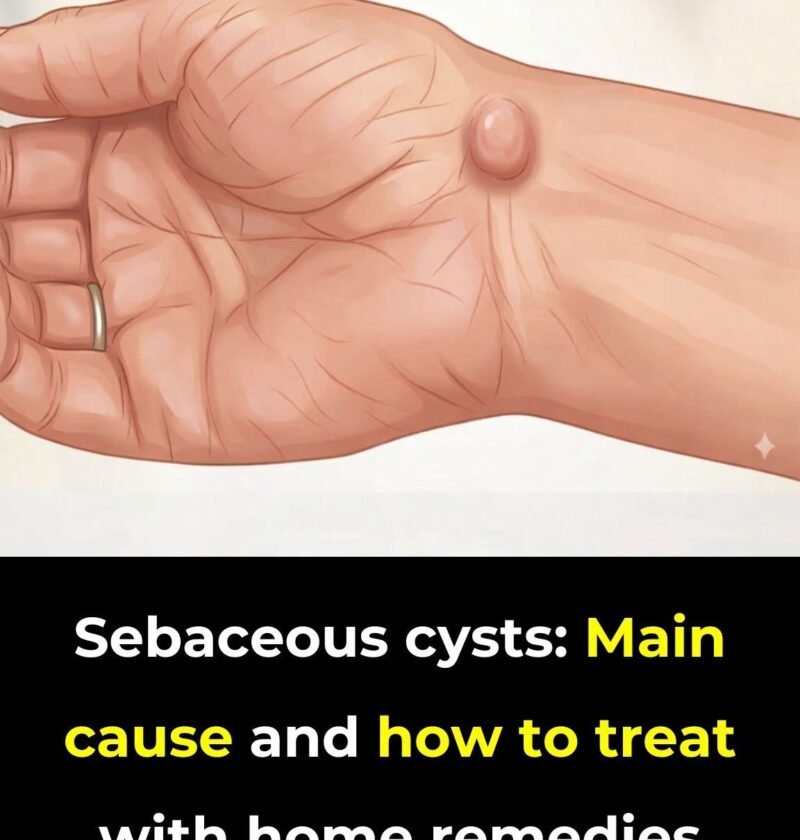
A sebaceous cyst is a small, noncancerous (benign) sac beneath the skin that typically contains a buildup of keratin—a protein found in skin cells and hair follicles. While often confused with epidermoid cysts, true sebaceous cysts arise specifically from the sebaceous (oil-producing) glands and contain an oily, cheesy substance called sebum.
They commonly appear on the face, neck, chest, and back. They are generally slow-growing, painless, and mobile beneath the skin, though they can occasionally become inflamed, swollen, or infected.
Main Causes
Sebaceous cysts form when the normal shedding of skin or the production of sebum becomes trapped beneath the surface. Key contributing factors include:
-
Blocked Glands or Hair Follicles: Damage or blockage in the oil-producing glands or hair follicles prevents normal oil secretion.
-
Skin Trauma: Scratches, surgical wounds, acne, or minor injuries to the skin can damage the duct lining and trigger cyst formation.
-
Genetic Factors: Certain inherited genetic conditions, such as Gardner syndrome, can make individuals more prone to developing multiple cysts.
-
Hormonal Fluctuations: Increased hormone levels, particularly during puberty or related to androgen production, can stimulate excess sebum production.
Home Care and Safe Management
It is important to note that home remedies cannot cure or remove a sebaceous cyst. Because the cyst is enclosed in a sac beneath the skin, simple surface treatments will not eliminate the underlying pouch, which can easily refill.
However, safe home care can help manage mild discomfort, reduce minor inflammation, and prevent infection:
-
Warm Compresses: Apply a clean washcloth soaked in warm (not hot) water to the area for 10 to 15 minutes, two to three times a day. This can help soothe irritation and encourage a cyst to drain naturally if it has a small opening.
-
Keep the Area Clean: Wash the affected skin gently with mild, fragrance-free soap and water daily to prevent secondary bacterial infections.
-
Loose Clothing: Wear breathable, loose-fitting clothing over the affected area to minimize friction and pressure.
Crucial Warning: Never squeeze, pop, or attempt to lance a sebaceous cyst at home. Doing so can push the contents deeper into the skin layers, leading to severe inflammation, increased pain, a more widespread infection, and permanent scarring.
When to See a Doctor
You should consult a healthcare professional, dermatologist, or primary care provider if you notice any of the following:
-
Signs of Infection: Increasing pain, severe redness, warmth, throbbing, or pus draining from the cyst (foul-smelling, thick discharge).
-
Rapid Growth: The cyst begins growing quickly or becomes exceptionally large and burdensome.
-
Functional Interference: The cyst is located where it causes persistent irritation or discomfort (e.g., under clothing seams or glasses).
-
Cosmetic Concerns: If the appearance bothers you, a doctor can safely remove it.
Professional Medical Treatments
If a cyst requires medical intervention, a doctor has several effective options:
-
Total Surgical Excision: Removing both the cyst and its entire sac wall to prevent it from returning.
-
Incision and Drainage: Draining the contents if the cyst is severely inflamed or infected (though the sac may eventually refill, requiring later excision).
-
Corticosteroid Injection: Sometimes used to reduce inflammation in painful, swollen cysts.
Would you like to discuss the symptoms you are experiencing, or are you looking for advice on a specific cyst location?