Vitamin B12 deficiency is frequently overlooked or misdiagnosed because its onset is usually slow, and its early symptoms mimic everyday stress, aging, or routine exhaustion. However, ignoring these signs can allow a deficiency to progress to a point where it causes permanent neurological damage.
Why Early Signs Are Ignored
-
Attributed to Lifestyle: Chronic fatigue, brain fog, and irritability are easily brushed off as “just a busy schedule”, lack of sleep, or burnout.
-
Blamed on Aging: Memory lapses, mild cognitive slowing, or subtle balance issues are often mistakenly accepted as a normal part of getting older.
-
Creeping Onset: Because the body can store several years’ worth of vitamin B12 in the liver, stores deplete gradually. Your body adjusts to declining levels over months or years, making symptoms feel like your new “normal.”
Commonly Ignored Warning Signs
-
Persistent Fatigue and Weakness: Unlike normal tiredness that disappears after a good night’s sleep, B12 deficiency fatigue feels heavy and profound (often described as “lead in the limbs”) because cells lack the energy and red blood cells required for optimal oxygen transport.
-
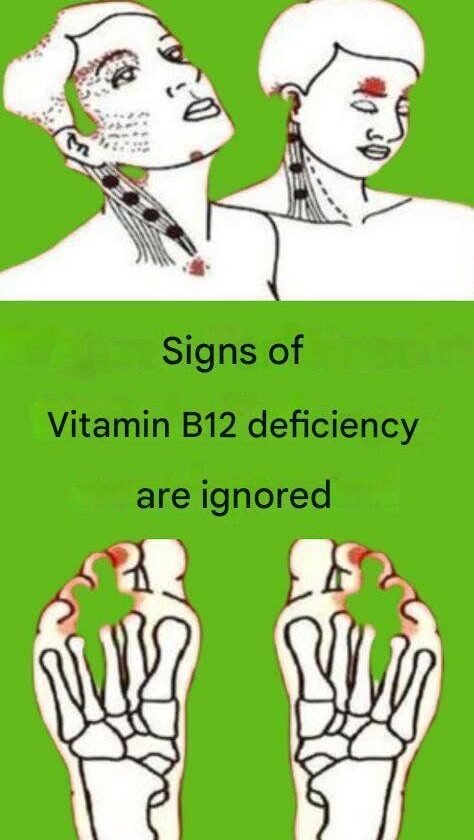
Numbness or Tingling (“Pins and Needles”): A hallmark sign of nerve involvement. B12 is essential for maintaining the protective myelin sheath around nerves. Tingling in the hands and feet is an early warning that this protective coating is wearing down.
-
Brain Fog and Memory Changes: Struggling to recall words, difficulty concentrating, or feeling mentally fuzzy are frequently ignored until they impact work or daily life.
-
Unsteady Balance and Walking Difficulties: Minor clumsiness, stumbling, or unsteadiness can stem from nerve and spinal cord changes caused by low B12, raising the risk of falls.
-
Mood Shifts: Unexplained irritability, anxiety, or depressive symptoms can arise because B12 heavily influences brain chemistry and neurological function.
-
Mouth Changes (Glossitis): A sore, swollen, unusually smooth, or bright red tongue, sometimes accompanied by a burning sensation.
Who Is Most at Risk?
-
Vegetarians and Vegans: Because natural B12 is found almost exclusively in animal products (meat, fish, eggs, dairy), unfortified plant-based diets carry a high risk.
-
Older Adults: Stomach acid production decreases with age, reducing the body’s ability to extract and absorb B12 from food.
-
People on Certain Medications: Long-term use of acid-reducing drugs (like proton pump inhibitors or H2 blockers) or diabetes medication like metformin heavily impairs B12 absorption.
-
Individuals with Gastrointestinal Conditions: Conditions like celiac disease, Crohn’s disease, or previous weight-loss surgeries interfere with nutrient absorption in the gut.
Next Steps and Diagnosis
If you are experiencing persistent, unexplained fatigue, neurological tinglings, or cognitive fog, do not ignore them. A simple, routine blood test can check your serum vitamin B12 levels. Depending on the results and underlying cause, treatment can range from dietary adjustments and high-dose oral supplements to B12 injections.
Are you currently experiencing any specific symptoms like fatigue or numbness that prompted you to look into this?