Recognizing the warning signs of serious heart distress can be life-saving. While some heart conditions develop gradually, certain symptoms indicate that the heart is under acute stress or that a medical emergency like a heart attack may be occurring.
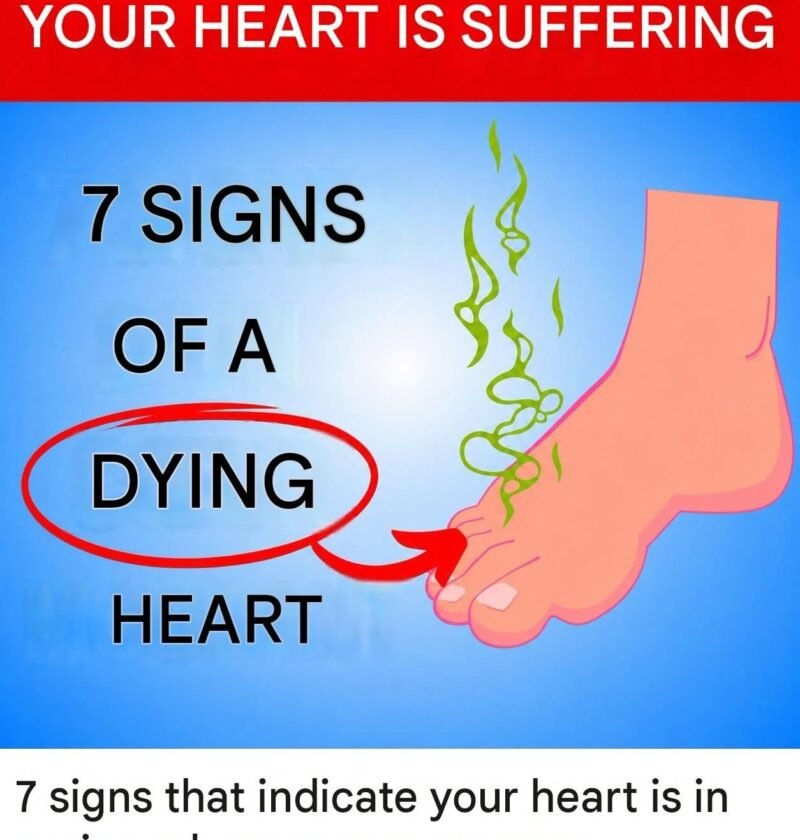
Seven critical signs that indicate your heart may be in serious danger include:
1. Crushing Chest Pain or Pressure (Angina)
-
What it feels like: This is the most common and classic warning sign. It is frequently described as a heavy pressure, squeezing, tightness, or a feeling like an “elephant is sitting on your chest”.
-
When it’s dangerous: If the discomfort lasts for more than a few minutes, does not go away with rest, or occurs suddenly while at rest, it requires immediate emergency medical attention. (Note: Women, older adults, and individuals with diabetes may experience heart attacks with little to no chest pain, relying instead on other symptoms).
2. Pain Radiating to the Arm, Jaw, Neck, or Back
-
What it feels like: Discomfort that originates in the chest and travels outward—most commonly down the left arm, but it can affect either arm, shoulders, upper back, neck, or jaw.
-
When it’s dangerous: Unexplained aches, tightness, or shooting pain in these specific areas—especially when accompanied by chest tightness or shortness of breath—should never be ignored.
3. Sudden, Severe Shortness of Breath
-
What it feels like: Feeling drastically winded or suffocated, either when resting or with minimal physical exertion (such as walking up a flight of stairs) that used to be easy.
-
When it’s dangerous: Sudden breathlessness often signals that the heart is struggling to pump blood efficiently, which can cause fluid to back up into the lungs (a hallmark of heart failure or an active cardiac event).
4. Cold Sweats and Unexplained Clamminess
-
What it feels like: Breaking out into a sudden, cold sweat or feeling clammy for no apparent reason, often independent of physical heat or activity.
-
When it’s dangerous: A sudden cold sweat paired with chest discomfort, lightheadedness, or nausea is a classic indicator of an acute heart attack and warrants an immediate call for emergency services.
5. Sudden Dizziness, Lightheadedness, or Fainting
-
What it feels like: A sudden, overwhelming sense of unsteadiness, wooziness, or actual loss of consciousness (syncope).
-
When it’s dangerous: While lightheadedness can stem from dehydration or standing up too quickly, sudden dizziness paired with chest pain or trouble breathing means your blood pressure has dangerously plummeted because the heart cannot pump effectively. It can also point to a dangerous irregular heartbeat (arrhythmia).
6. Unexplained Nausea, Indigestion, or Vomiting
-
What it feels like: A sudden onset of severe stomach pain, heartburn, upper abdominal discomfort, or vomiting that mimics a bad meal or severe acid reflux.
-
When it’s dangerous: Because the heart, stomach, and esophagus share closely connected nerve pathways, cardiac distress can frequently manifest as gastrointestinal distress. This symptom is particularly common in women during a heart attack.
7. Severe, Debilitating Fatigue
-
What it feels like: An overwhelming exhaustion or physical weakness that hits suddenly and lingers for days, making basic daily tasks (like grocery shopping or walking across a room) feel impossible.
-
When it’s dangerous: While normal tiredness resolves with sleep, profound, sudden fatigue can be an early warning sign of heart disease or an impending cardiac event, particularly weeks or days before an attack occurs.
🚨 EMERGENCY NOTICE: If you or someone near you experiences sudden, severe symptoms—such as crushing chest pressure, pain spreading to the arm or jaw, or acute shortness of breath—call your local emergency number (such as 911) immediately. Do not attempt to drive yourself to the hospital.
Are you or someone you know currently experiencing any of these symptoms, or are you looking for guidance on assessing long-term heart disease risks?