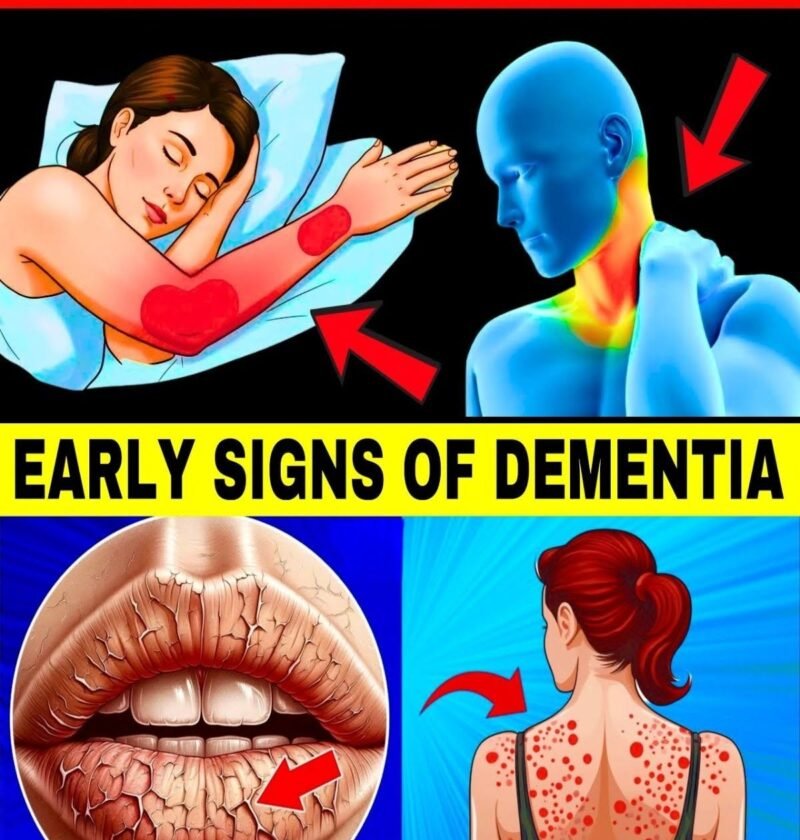
Recognizing the early signs of dementia is crucial for getting an accurate diagnosis, exploring treatment options, and planning for the future. While occasional forgetfulness is a normal part of aging, certain cognitive changes warrant a conversation with a healthcare professional.
Here are **10 early signs of dementia** that should never be ignored:
—
### 1. Memory Loss That Disrupts Daily Life
* **What it looks like:** Forgetting recently learned information, important dates or events, and asking the same questions over and over again.
* **Normal aging vs. dementia:** Forgetting names or appointments occasionally, but remembering them later, is normal.
### 2. Challenges in Planning or Solving Problems
* **What it looks like:** Trouble following a familiar recipe, keeping track of monthly bills, or concentrating on tasks. It may take much longer to do things than before.
* **Normal aging vs. dementia:** Making occasional errors when balancing a checkbook.
### 3. Difficulty Completing Familiar Tasks
* **What it looks like:** Trouble driving to a familiar location, managing a budget at work, or remembering the rules of a favorite game.
* **Normal aging vs. dementia:** Occasionally needing help to use microwave settings or record a television show.
### 4. Confusion with Time or Place
* **What it looks like:** Losing track of dates, seasons, and the passage of time. Difficulty understanding something if it is not happening immediately, or getting lost in familiar surroundings.
* **Normal aging vs. dementia:** Confusing the day of the week for a moment, but figuring it out later.
### 5. Trouble Understanding Visual Images and Spatial Relations
* **What it looks like:** Difficulty reading, judging distance, and determining color or contrast, which can lead to issues with balance or driving.
* **Normal aging vs. dementia:** Vision changes related to cataracts or normal aging (e.g., presbyopia).
### 6. New Problems with Words in Speaking or Writing
* **What it looks like:** Stopping in the middle of a conversation with no idea how to continue, or repeating oneself. Struggling with vocabulary, calling things by the wrong name (e.g., calling a watch a “hand clock”).
* **Normal aging vs. dementia:** Occasionally having trouble finding the right word.
### 7. Misplacing Things and Losing the Ability to Retrace Steps
* **What it looks like:** Putting things in unusual places (e.g., putting an iron in the freezer or a watch in the sugar bowl). Accusing others of stealing because they cannot find their items.
* **Normal aging vs. dementia:** Misplacing things from time to time, like glasses or keys, and successfully retracing steps to find them.
### 8. Decreased or Poor Judgment
* **What it looks like:** Experiencing changes in judgment or decision-making, such as falling victim to scams, giving away large amounts of money, or paying less attention to personal hygiene.
* **Normal aging vs. dementia:** Making a bad decision or choice once in a while, like neglecting to change the oil in the car.
### 9. Withdrawal from Work or Social Activities
* **What it looks like:** Removing oneself from hobbies, social activities, work projects, or sports. Avoiding social engagements because of changes that are hard to process.
* **Normal aging vs. dementia:** Sometimes feeling weary of work, family, and social obligations.
### 10. Changes in Mood and Personality
* **What it looks like:** Becoming confused, suspicious, depressed, fearful, or anxious. Easily upset at home, with friends, or when out of their comfort zone.
* **Normal aging vs. dementia:** Developing specific ways of doing things and becoming irritable when a routine is disrupted.
—
> [!NOTE]
> **When to see a doctor:** If you or a loved one are experiencing several of these symptoms, schedule an appointment with a primary care physician or a neurologist. Many conditions—including vitamin deficiencies, thyroid issues, depression, and medication side effects—can cause memory or cognitive problems that are completely treatable.
Are you or a loved one currently noticing any of these specific changes, or is there a particular symptom you’d like to explore further?