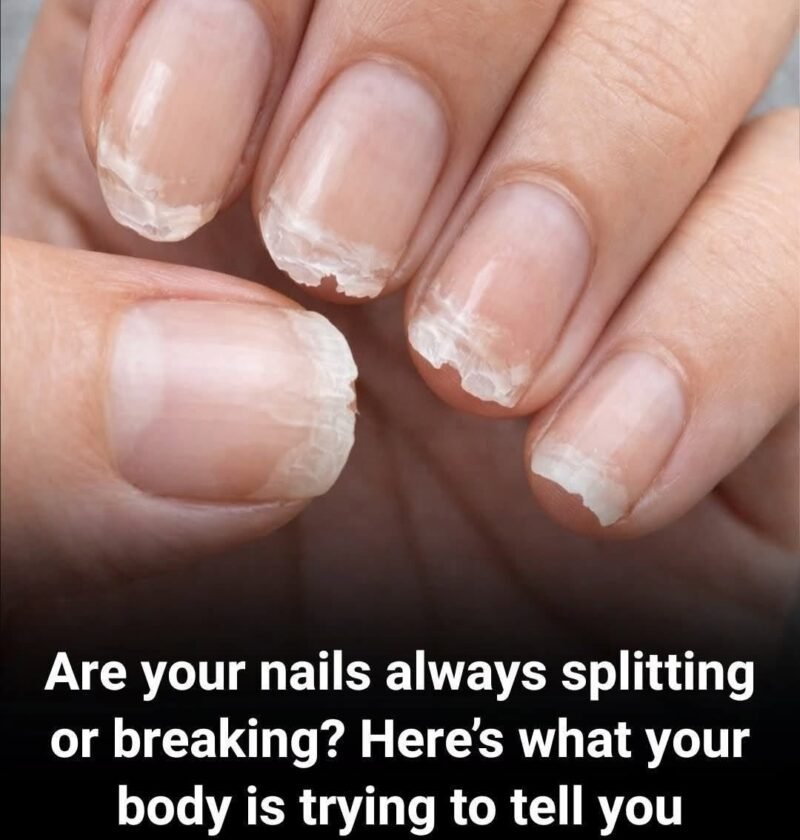
Weak or brittle nails are very common, and while they can sometimes just be the result of everyday wear and tear, they are frequently a sign that your body needs a little extra care or nutrients.
Here is a breakdown of what your nails might be trying to tell you, what causes them, and how you can strengthen them.
Common Nutritional Deficiencies
Nails are made of a tough protein called keratin, and they need a steady supply of vitamins and minerals to grow strong and healthy:
-
Iron Deficiency (Anemia): If your nails are brittle, thin, or curving upward like a spoon (known as koilonychia), it can be a classic sign of low iron or iron-deficiency anemia.
-
B Vitamins (Especially Biotin): Biotin (Vitamin B7) helps build keratin. A lack of B vitamins can lead to dry, brittle nails that easily split or break.
-
Zinc: Zinc is essential for cell growth and protein synthesis, both of which are needed for nail repair and growth. White spots or slow-growing, brittle nails can sometimes point to low zinc levels.
-
Protein: Because nails are protein-based, an overall lack of protein in your diet can make them weak.
Lifestyle and Environmental Factors
External habits often play a bigger role in nail health than internal deficiencies:
-
Frequent Hand Washing and Water Exposure: Constantly getting your hands wet and drying them out strips natural oils from the nails, causing them to dry out, weaken, and peel.
-
Harsh Chemicals: Regular use of cleaning products, dish soap without gloves, or frequent use of acetone-based nail polish removers can severely dehydrate the nail bed.
-
Gel Manicures and Acrylics: The harsh removal processes, filing, and UV light exposure associated with artificial nails often leave natural nails thin, sensitive, and brittle.
-
Aging: Just like skin and hair, nails naturally grow thinner and more brittle as we age due to slower cell turnover and decreased moisture retention.
Underlying Health Conditions
Sometimes, brittle nails are a symptom of a broader medical issue:
-
Thyroid Disorders: Both an underactive thyroid (hypothyroidism) and an overactive thyroid (hyperthyroidism) can disrupt nail growth and moisture, leading to brittle, peeling nails.
-
Fungal Infections: While often causing discoloration or thickening, fungal infections can also make nails fragile and crumbly.
How to Strengthen Your Nails
-
Moisturize Regularly: Apply hand cream or cuticle oil containing vitamin E, shea butter, or jojoba oil frequently, especially right after washing your hands.
-
Protect Your Hands: Wear rubber or silicone gloves when doing the dishes, cleaning, or handling harsh chemicals.
-
Adjust Your Diet: Focus on lean proteins, iron-rich foods (like leafy greens, beans, and lean meats), and healthy fats. Talk to a doctor before taking supplements like biotin to ensure you actually need them.
-
Gentle Nail Care: Avoid harsh nail polish removers, use a fine glass file in one direction instead of sawing back and forth, and give your nails regular breaks from artificial products.
Are you noticing any other symptoms alongside your weak nails, like fatigue, hair shedding, or changes in your skin?